Why Stolen Lava Rocks Come Back in the Mail
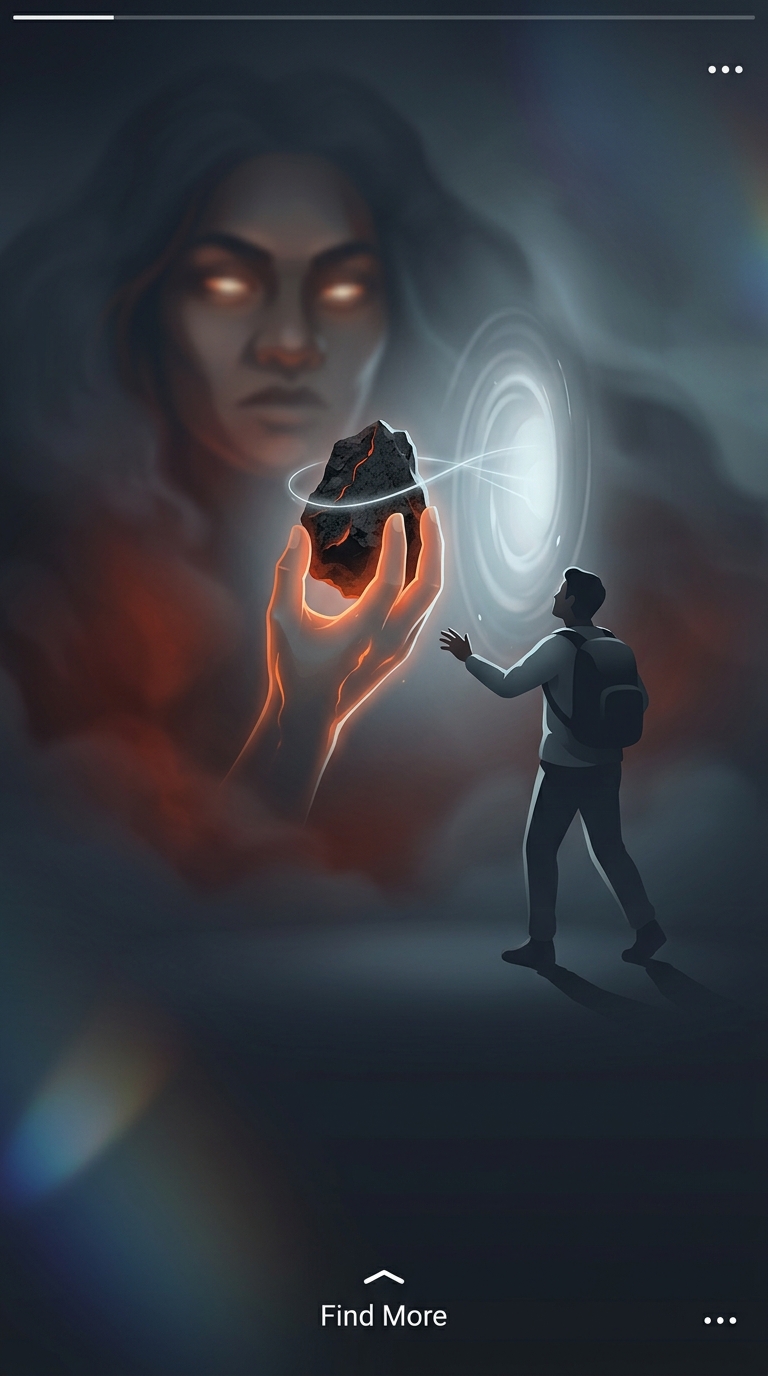
At Hawaiʻi Volcanoes National Park, some visitors take home small pieces of lava as souvenirs. Later, some mail them back. The parcels reflect a local story about Pele, the Hawaiian deity associated with volcanoes: taking rock or sand from her domain may bring misfortune, and returning it may set things right.
That belief is a tradition, not a scientifically established cause of bad luck. But it can feel persuasive when a mishap follows a trip—and mailing the rock back offers a simple way to respond to the worry.
A Keepsake Becomes a Responsibility
The returned packages are often described as “curse” rocks. Their journey shows how a souvenir can change meaning: a piece of volcanic landscape taken as a memento becomes something its owner feels should be put back. The park receives these objects from people who may be uneasy about keeping them, whether out of respect for Pele, concern about the story, or both.
The rocks also matter beyond folklore. Lava is part of the park’s natural landscape, and removing pieces takes material from the place visitors came to see. Mailing a rock back does not necessarily restore it to its original spot, but the practice makes the tension visible: the most meaningful souvenir may be the one left where it belongs.