How a virus can teach immunity without causing infection
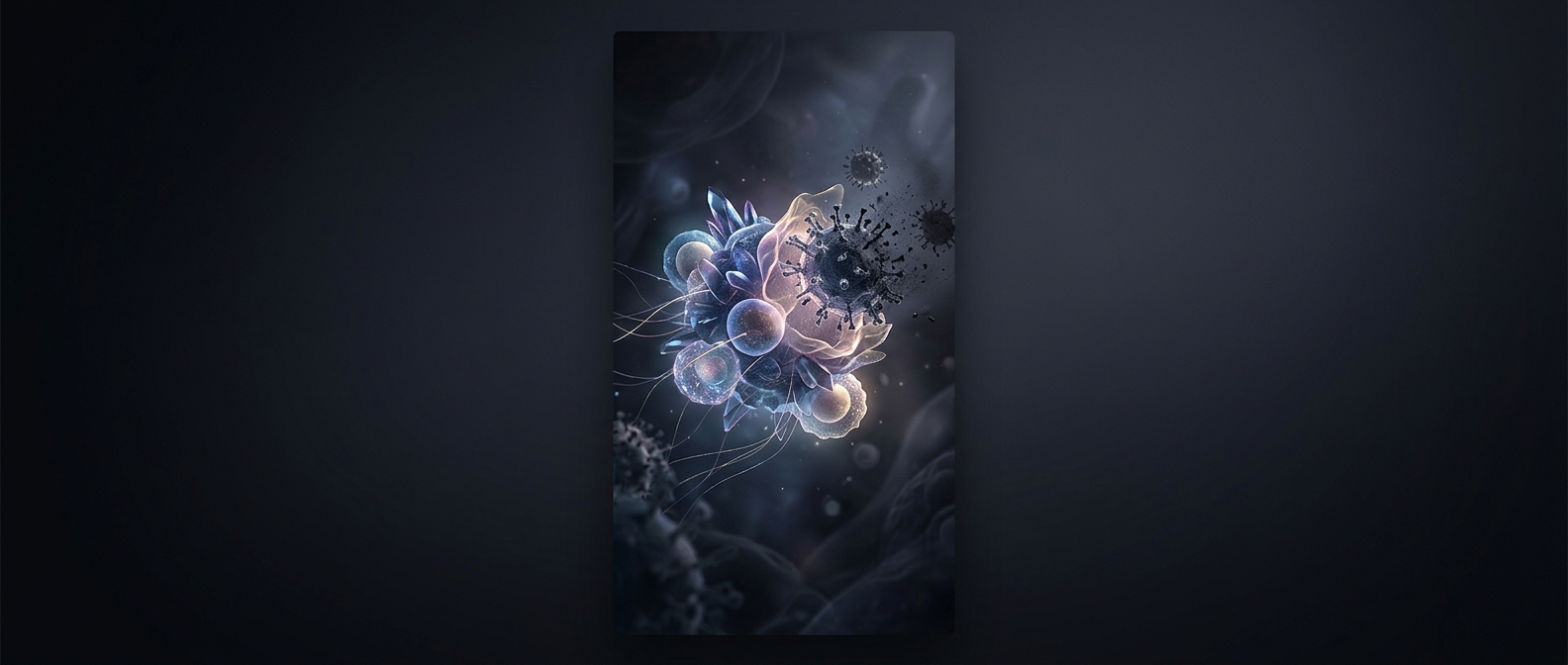
A vaccine does not have to contain a virus capable of multiplying. Jonas Salk’s polio vaccine used poliovirus particles that had been chemically inactivated—rendered unable to reproduce. Their outer structures still carried recognizable features, or antigens, that the immune system could learn to identify.
After vaccination, immune cells respond to those features by producing antibodies and forming immune memory. If the vaccinated person later encounters poliovirus, that memory can help the body recognize and fight it before the infection causes paralysis. The essential design challenge was to disable the virus while preserving enough of its recognizable structure to prompt protection.
Why the approach carried risk
The idea depended on getting that balance right. If inactivation were incomplete, virus particles might remain capable of multiplying; if the process damaged the structures the immune system needed to recognize, the vaccine might not protect effectively. Producing a vaccine that was both safe and useful therefore required careful preparation and testing—not simply adding virus to a shot.
Salk’s family received the vaccine before it was tested in a large public trial. That sequence reflects how much confidence the approach needed to earn: the underlying principle was plausible, but its safety and protective effect had to be demonstrated in people on a much broader scale.
A different route to protection
The inactivated vaccine offered a way to expose the immune system to polio’s recognizable features without asking the body to host a live infection. That distinction made the concept powerful—and made control of the manufacturing process central to the vaccine’s success.