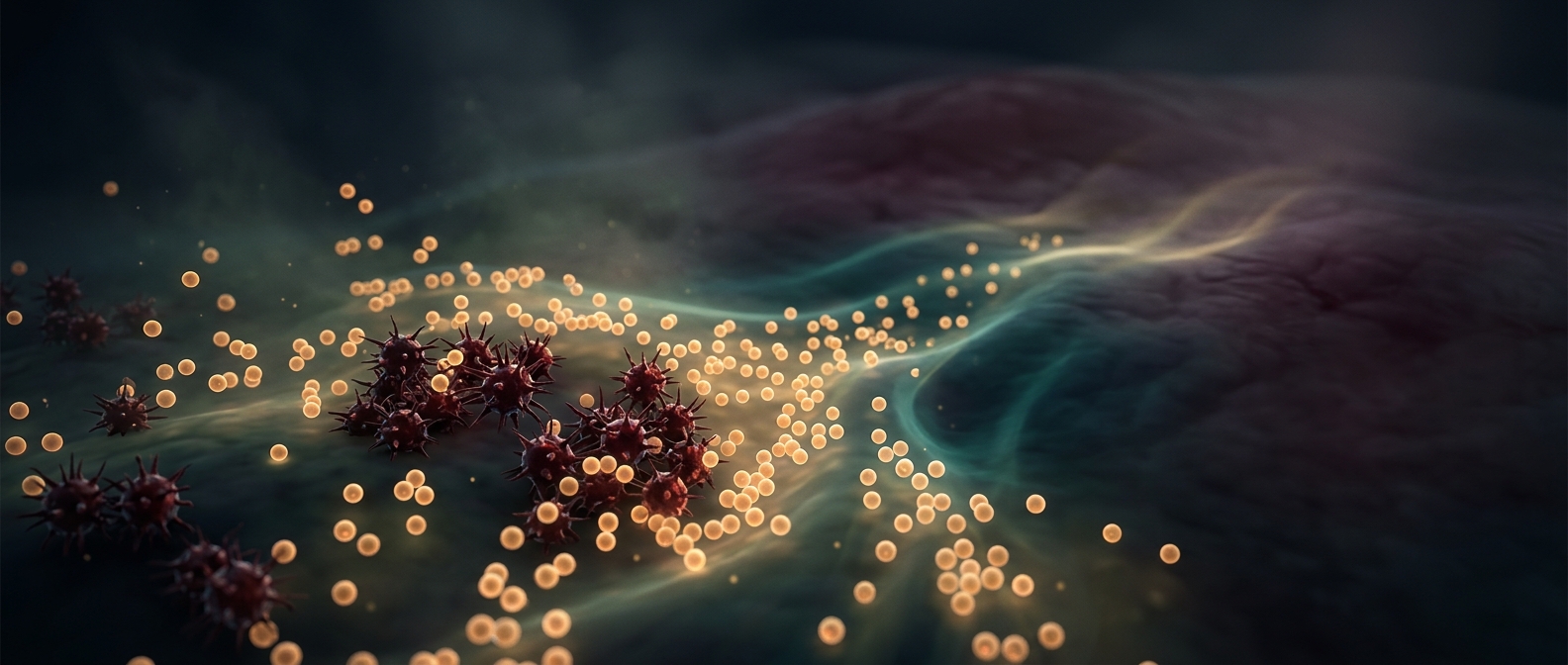
The drug’s second journey through the body
Irinotecan works largely after the body converts it into SN-38, a compound that disrupts an enzyme cancer cells need to copy their DNA. The same potent drug can also harm healthy tissue, so the body processes much of the SN-38 in the liver by attaching a small chemical tag called glucuronic acid. This makes it easier to carry out of the body in bile, which empties into the intestine.
How gut bacteria reverse the process
Some intestinal bacteria make an enzyme called beta-glucuronidase. It removes the chemical tag from SN-38, restoring the active compound inside the gut. In effect, the liver has packaged the drug for disposal, but bacterial enzymes can unwrap it before it leaves.
That renewed SN-38 can injure the lining of the intestine. The resulting damage may trigger severe diarrhea and other intestinal toxicity. This is not simply a matter of bacteria making more chemotherapy: they are changing the form of drug already delivered to the gut.
Why the chemistry matters for treatment
The gut can therefore become a site of unintended drug exposure even after the body has tried to deactivate and eliminate the compound. If that intestinal injury becomes severe, it can complicate treatment and constrain how much irinotecan a patient can tolerate. The same medication’s effects depend not only on its dose, but also on how the body processes it and what intestinal microbes do next.
The striking twist is that the drug’s path does not end when the liver marks it for removal: bacterial chemistry can give it another turn at being active, this time in tissue the treatment was not meant to target.