How a Book Became Cheap to Make
A traditional hardback was expensive partly because its cover was a small construction project: stiff boards were wrapped in cloth or leather, then attached to a block of pages that might be sewn together. A flexible-cover book replaced those boards with heavier paper or card. In glued binding, adhesive holds the page block at the spine, avoiding some of the labor and materials of a more durable binding.
That change mattered most when publishers could print many copies at once. The savings on each cover and binding added up across a large run, letting publishers price books for ordinary purchases rather than treating them as long-lasting household investments.
The Book Could Travel With Its Reader
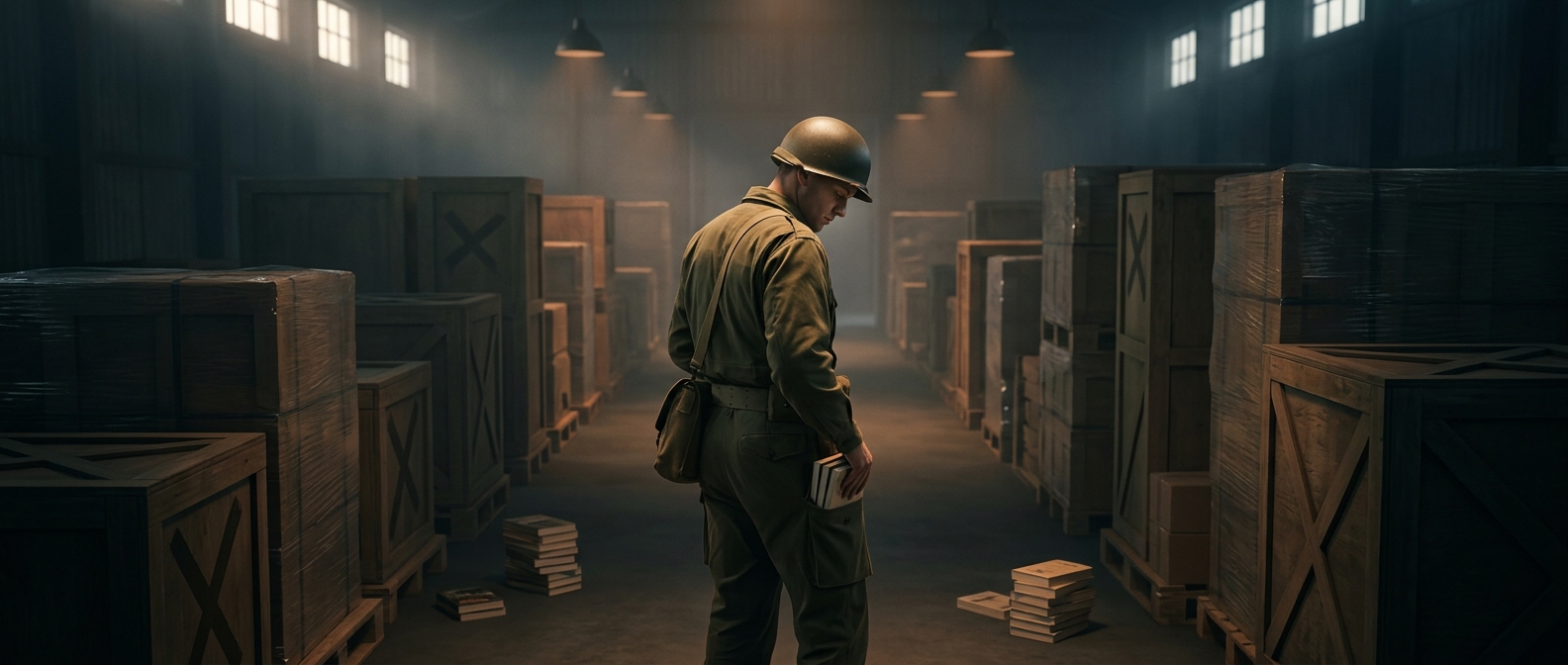
A paperback was lighter and easier to tuck into a bag or coat pocket than a hardback. That made reading possible in more small intervals: on a commute, during a break, or away from home. Publishers and booksellers could also handle and display stacks of inexpensive copies without treating each one like a costly object.
The format did not simply make the same book cheaper. It changed what a book could be in daily life. Readers could buy a novel without planning to keep it for decades, and publishers could sell fiction to a broader audience through high-volume editions. The crucial shift was from a book as a durable possession to a book as an affordable, portable purchase.