Small files keep playback moving
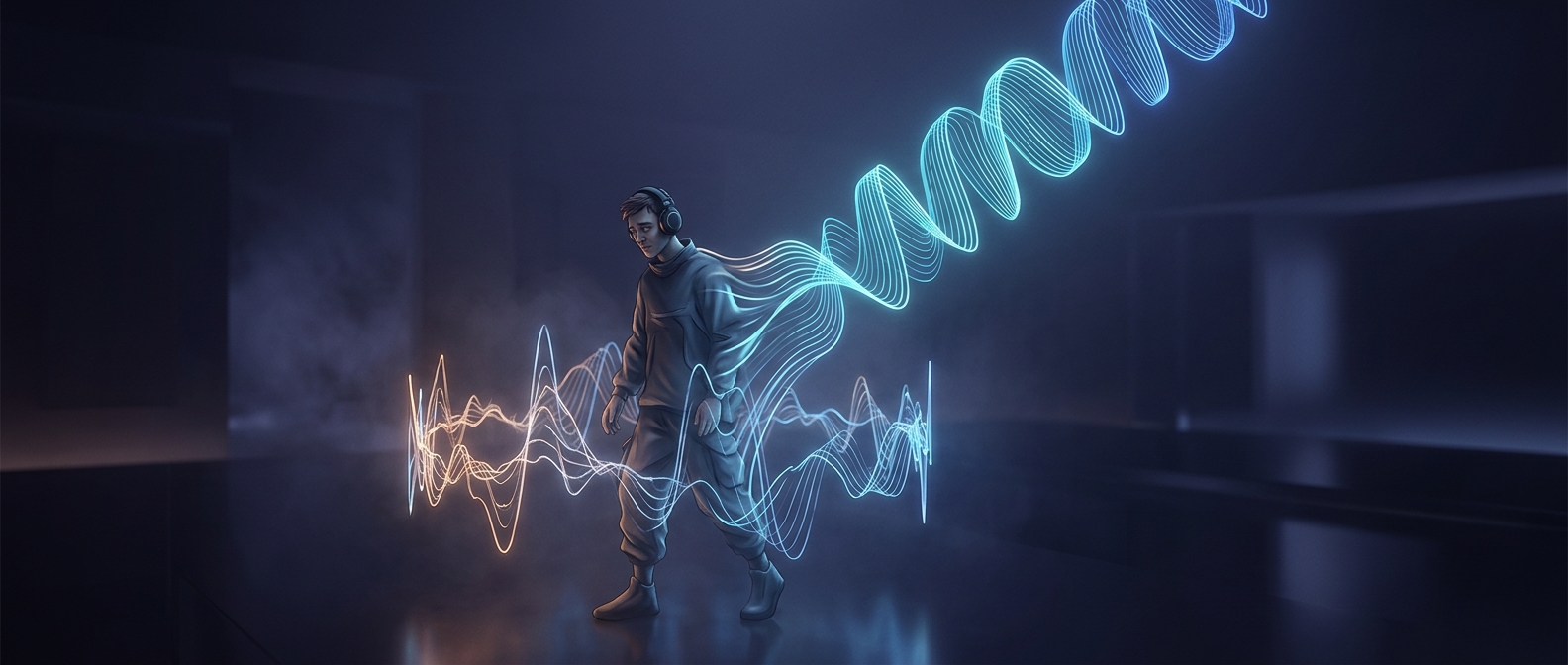
An audiobook may feel like one continuous recording, but a streaming service sends it over the internet in pieces. The app can begin playing an early piece while later ones are still on the way. That matters because a connection does not deliver data at a perfectly steady speed: a brief slowdown need not stop the narrator mid-sentence if the player already has some audio waiting.
That waiting supply is called a buffer. The player stores a little of the incoming audio temporarily, then draws from it as it plays. If the next piece arrives before the buffer runs low, listening continues smoothly. If delivery falls behind, the app may pause to collect more audio.
The pieces are a delivery tool, not chapters
These chunks are usually invisible to the listener. They are not necessarily separate scenes or chapter breaks; they are a way to package and deliver the recording. The app keeps track of what has arrived and what comes next, then presents the pieces in order as one stream of speech.
This arrangement also avoids making the listener wait for the entire book before pressing play. A long recording can be delivered progressively, while the app requests more data as needed. The practical tradeoff is that playback depends on both the connection and how much audio the player has buffered: a stronger or steadier connection replenishes that reserve more reliably.
So when a stream briefly pauses, the narrator has not necessarily reached a break in the book. The player may simply have used up the audio it had received while waiting for the next pieces to catch up.