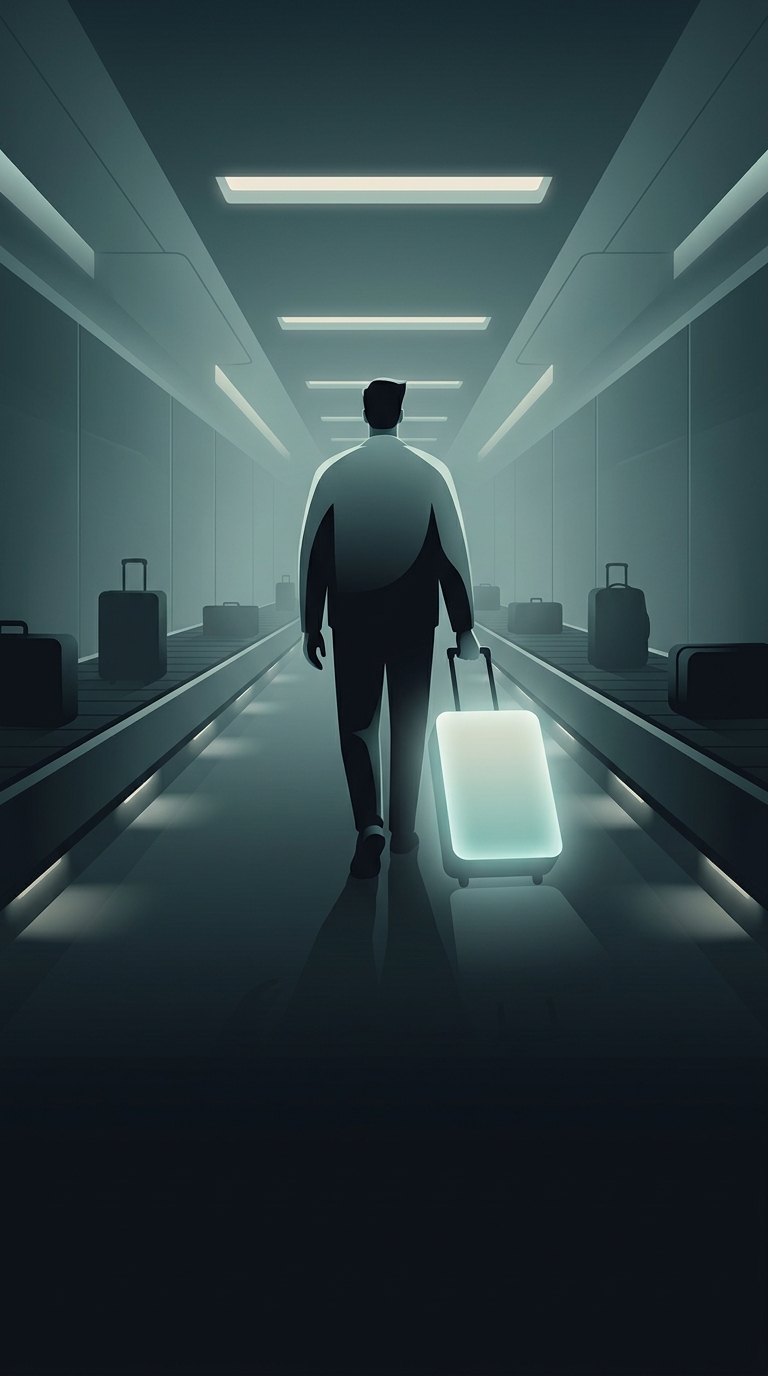
The Walk That Changed the Wait at Houston’s Airport
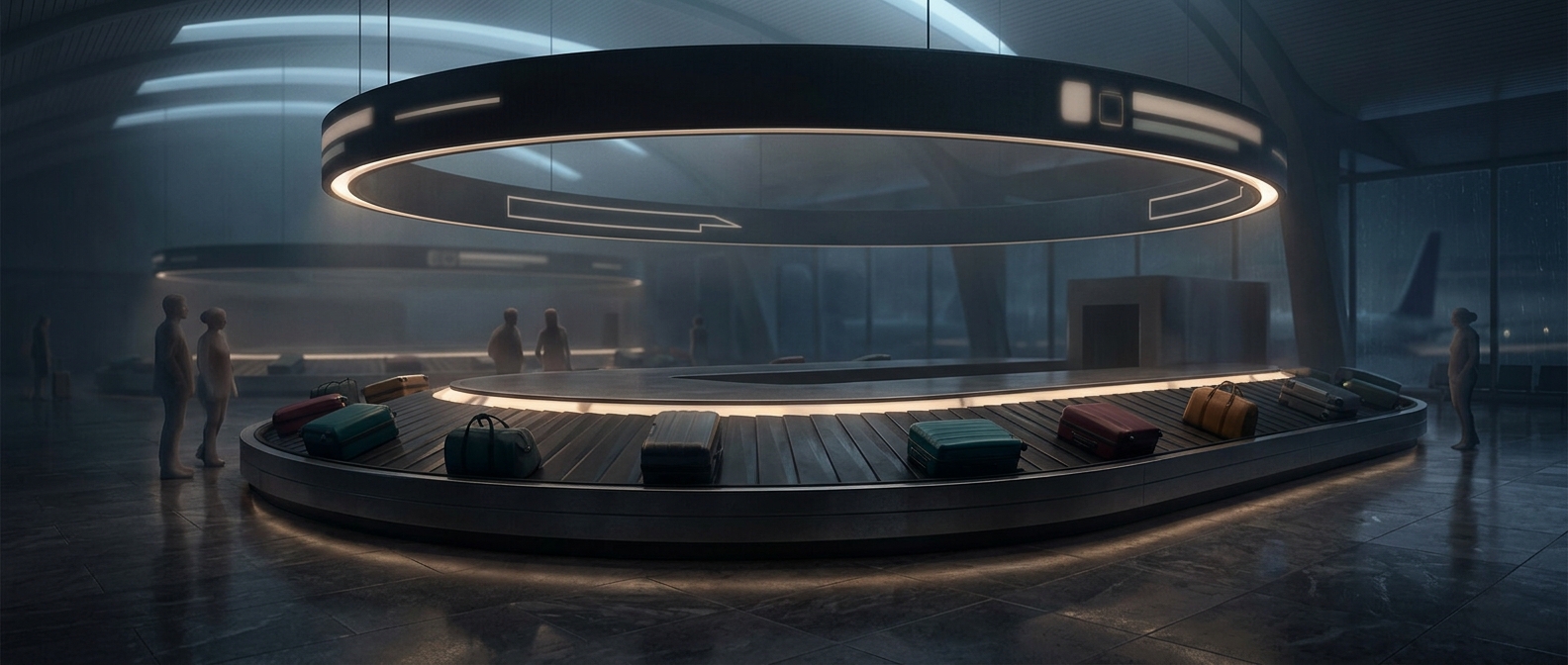
At Houston’s George Bush Intercontinental Airport, complaints about slow baggage delivery persisted even when the airport was working to get bags out promptly. The problem was not just how long the process took; it was how much of that time passengers spent standing still, watching an empty carousel.
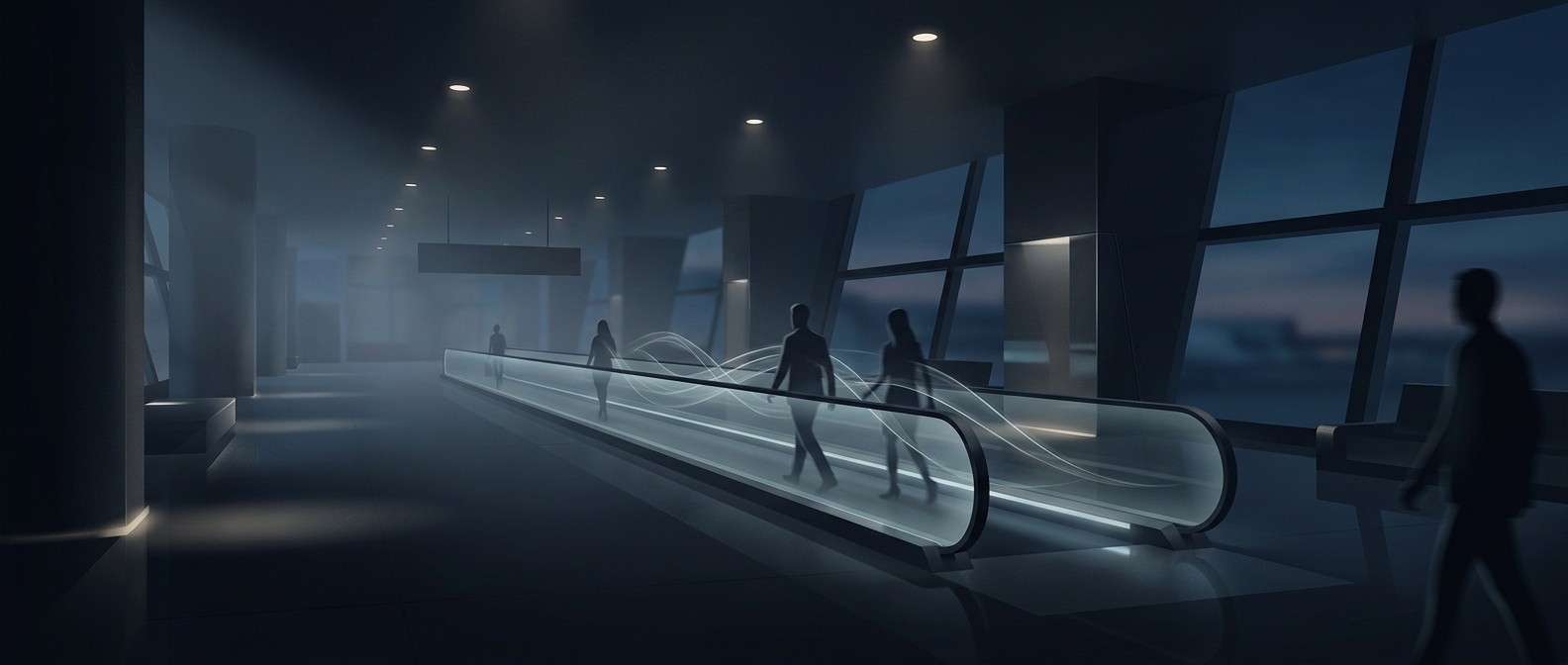
The airport’s solution was to make arriving passengers walk farther from their gates to baggage claim. That added time between leaving the plane and reaching the carousel—time the baggage system could use to unload and transport their suitcases.
Why the Same Delay Felt Different
A checked bag does not appear at the carousel as soon as a passenger steps off the plane. It must be unloaded, sorted, and moved through the airport. Meanwhile, passengers walk to the claim area. If they arrive first, they wait in place, with little to do but watch for bags and judge the delay.
By lengthening the route, Houston shifted more of the wait into that walk. The bags did not necessarily move faster; passengers reached them later in the process. When luggage was already arriving as people came in, the delay became less visible and less frustrating.
A Small Layout Change, Not a Faster Baggage System
The approach worked by changing the timing of two parallel journeys: passengers on foot and bags on conveyors and carts. It did not eliminate the work of handling luggage or guarantee that every bag would be ready when its owner arrived. But it addressed a practical airport problem: the experience of waiting can matter as much as the clock time.
For travelers, the result was a longer walk—and, ideally, less time spent gathered around an empty carousel.