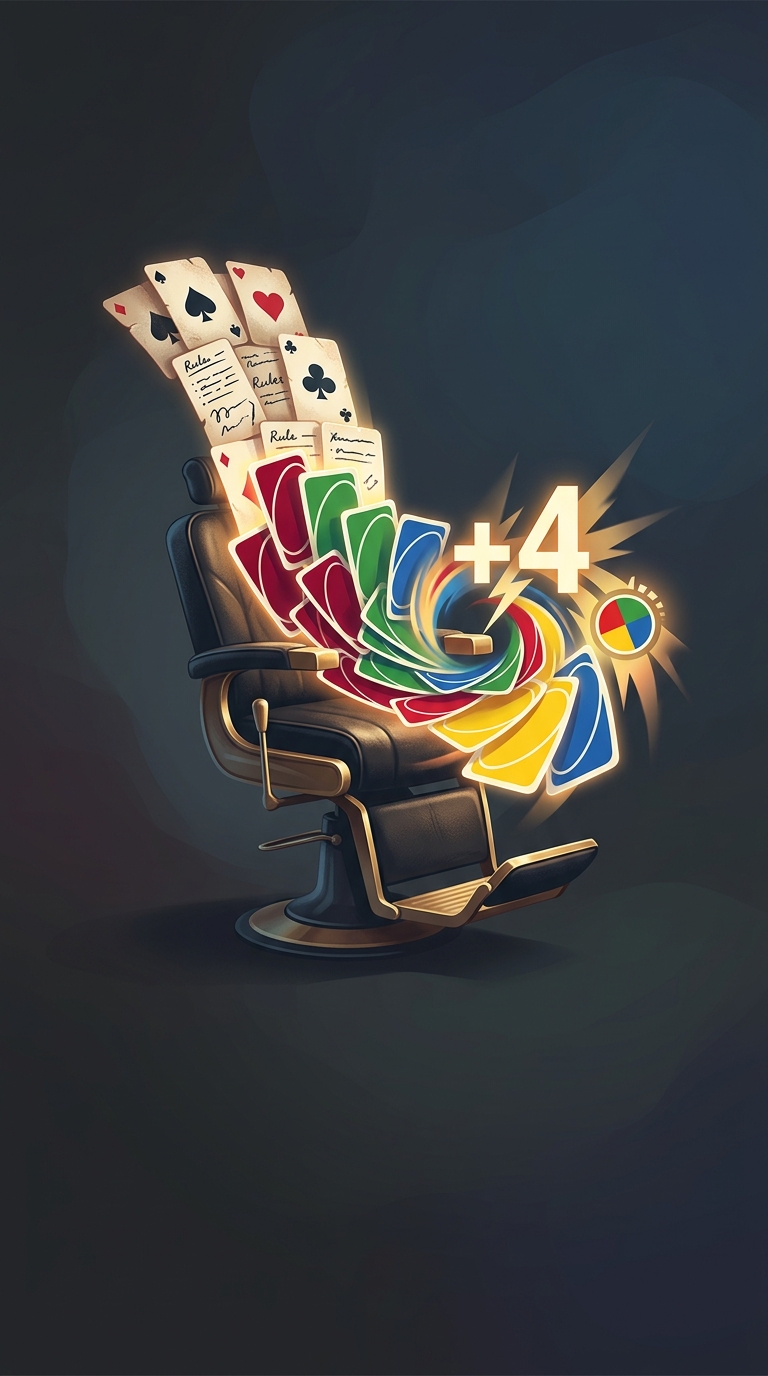
A familiar game, made visible
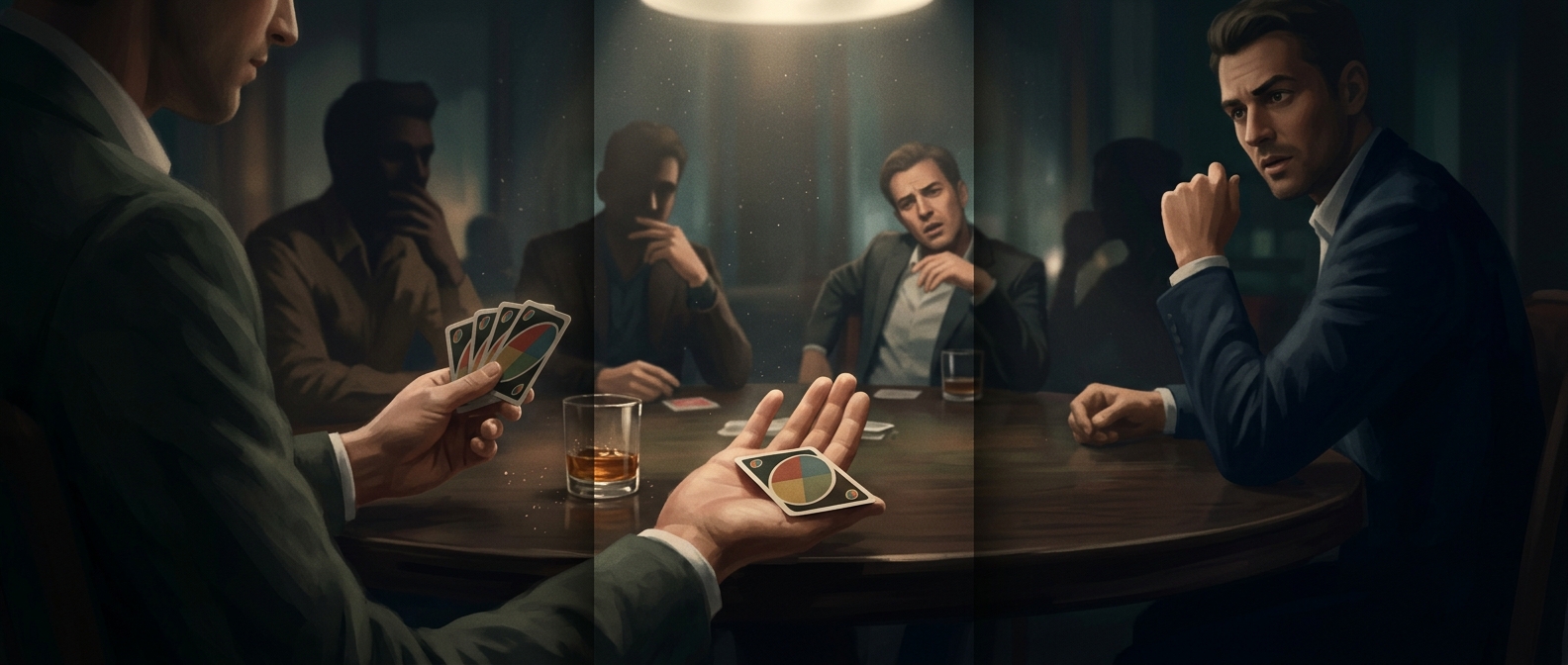
Crazy Eights already had a simple engine: play a card that matches the one on top of the pile, or draw if you cannot. Robbins’s specialized deck turned that basic pattern into a game with its own visual language. Colors, numbers, and action symbols let players recognize a legal move at a glance, without translating ordinary playing-card suits or memorizing a complicated board of exceptions.
That matters because Uno’s pace depends on quick decisions. Players can follow the discard pile as it changes, while a shrinking hand makes every move feel consequential. The distinctive cards do more than decorate the deck: they make the rules legible and give players ways to interrupt the ordinary sequence.
Why the wild card changes the mood
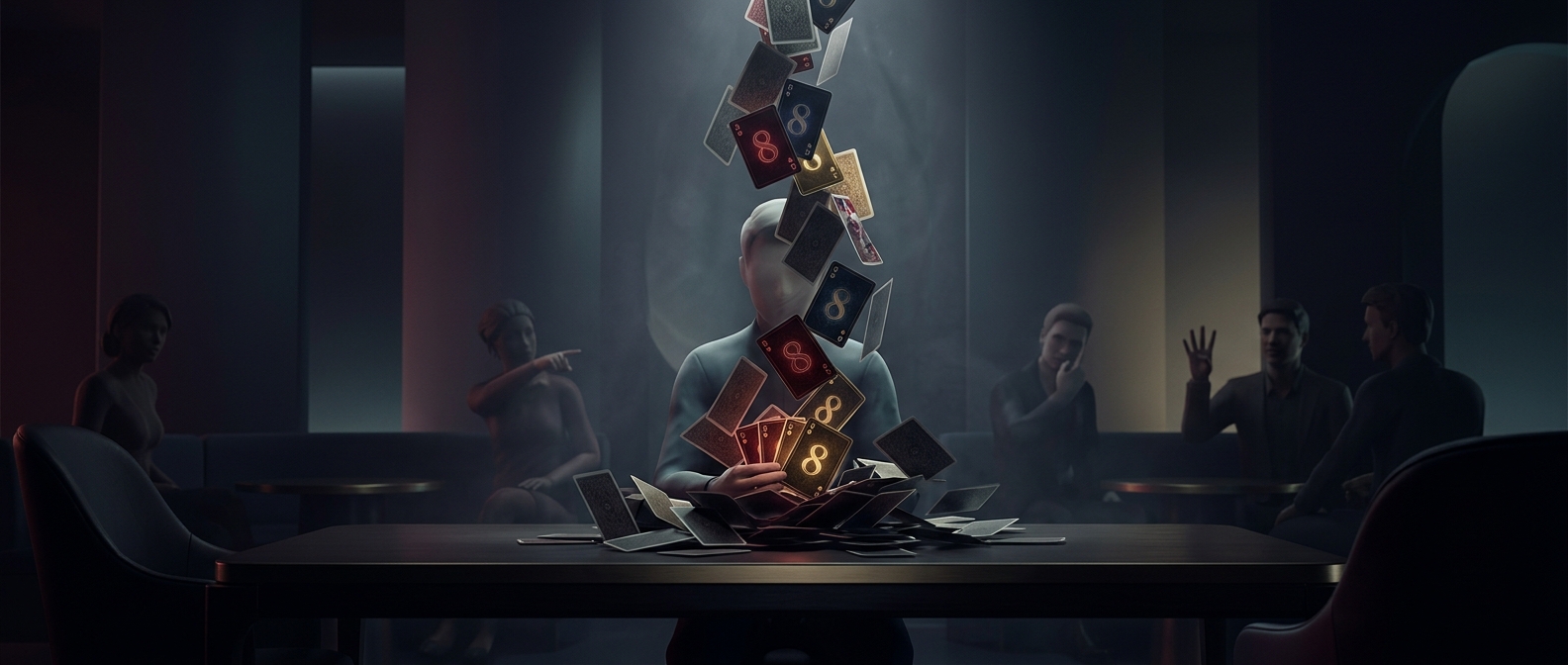
A wild card breaks the color-matching pattern. The player who uses one chooses the color that must be matched next, so a single move can redirect the options available to everyone else. The Wild Draw Four adds a penalty: the next player takes four cards, making it both a tactical setback and a conspicuous moment of confrontation.
That combination explains the card’s outsized reputation. Its effect is easy to understand, but its timing can feel personal—especially when a player is close to going out. The game turns a small set of matching rules into a social contest over risk, luck, and when to disrupt another player’s plans.
A deck built for the table
Uno’s design does not require a board, scorekeeping, or a long explanation before play can begin. The cards themselves carry the choices: match, change the color, or force a draw. That compact format makes the game easy to bring to a family table, while its sudden reversals ensure that a nearly finished hand is never quite a guarantee of victory.