Why Festivals Put Big Acts in Different Places
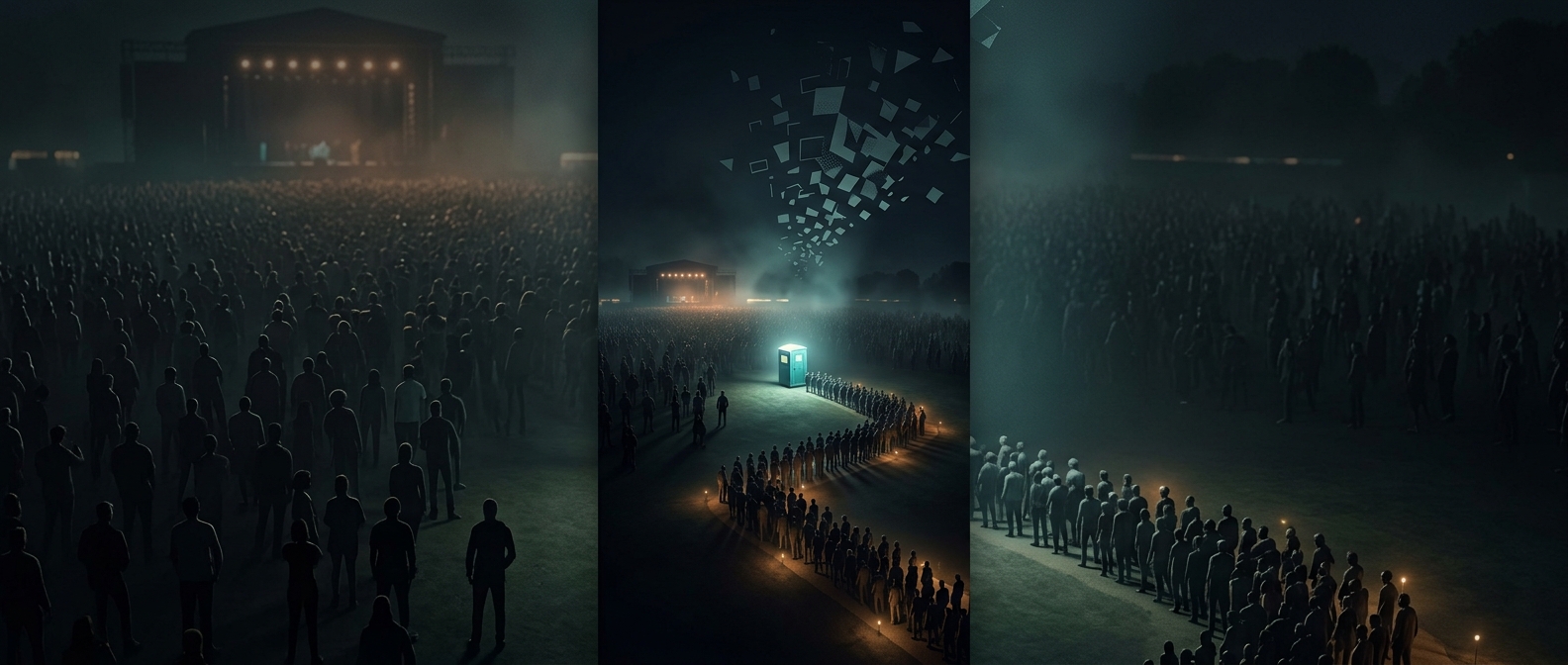
When two popular artists play at opposite ends of a festival site, the clash can look like a scheduling mistake. Often, though, organizers are balancing the size of the audience against the limits of the grounds. If nearly everyone heads toward one stage at once, paths can bottleneck, viewing areas can fill, and moving between stages becomes difficult. Splitting the draw gives some of that crowd a reason to go elsewhere.
A Crowd Is Part of the Schedule
A festival timetable is also a plan for how people will move. Organizers consider stage capacity, walking routes, entry and exit points, and how one performance’s audience will affect the next. A major act on a second stage can keep that area active while easing pressure around the main stage. The aim is not simply to divide fans evenly; it is to avoid a dangerous or unmanageable surge in one place.
Sound matters, too. Stages set too close together can compete: music from one performance may bleed into another, especially during quieter passages. Spacing stages—and choosing which acts play simultaneously—can reduce that interference, though outdoor sound is difficult to contain completely.
The Tradeoff for Fans
This strategy has a cost. Fans may have to choose between artists they wanted to see, and a packed second stage can still create its own crowding problems. Organizers are working with fixed stages, limited space, and a timetable that must keep performances and audience movement flowing.
So a headliner clash can be less a judgment about which artist matters more than a way to spread attention across the site. The practical result is that a festival’s biggest scheduling decision may be about where tens of thousands of people can safely stand and walk—not just who gets the prime slot.