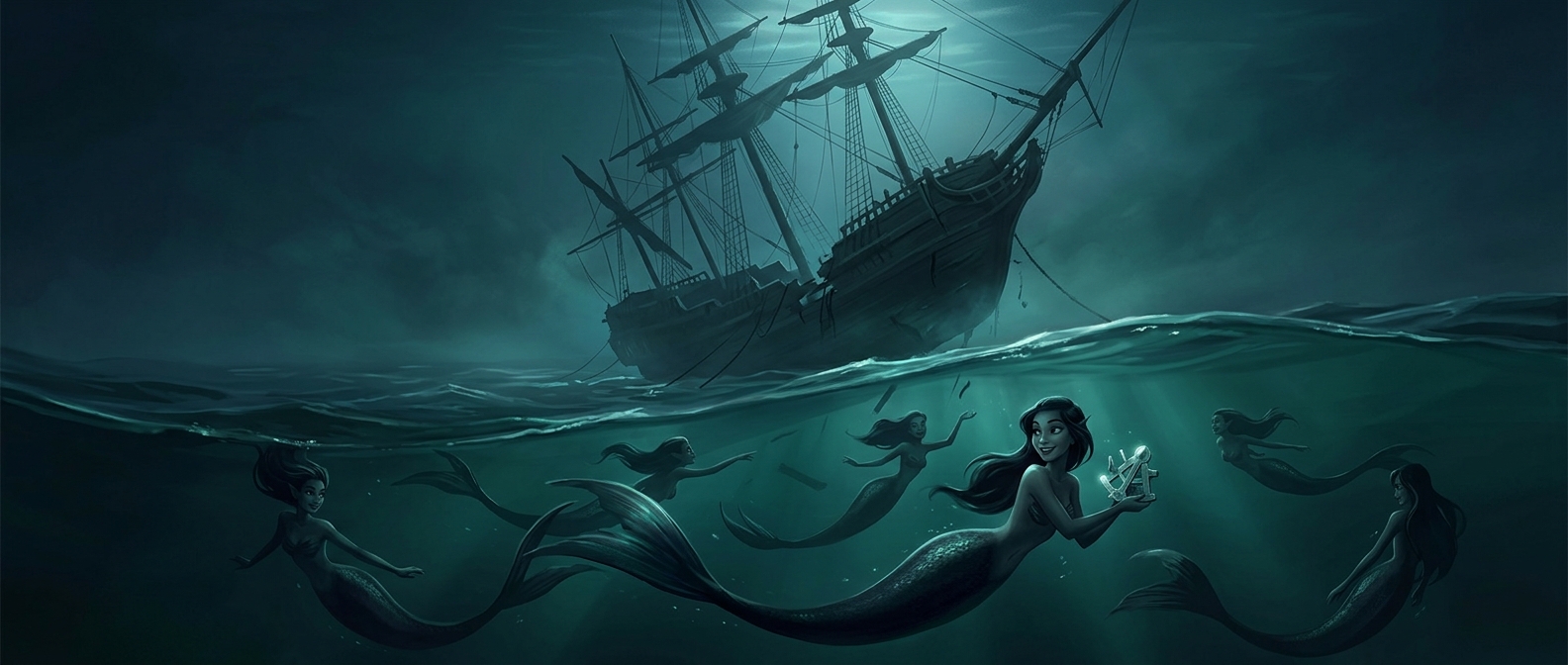
How a mermaid could turn a voyage into a wreck
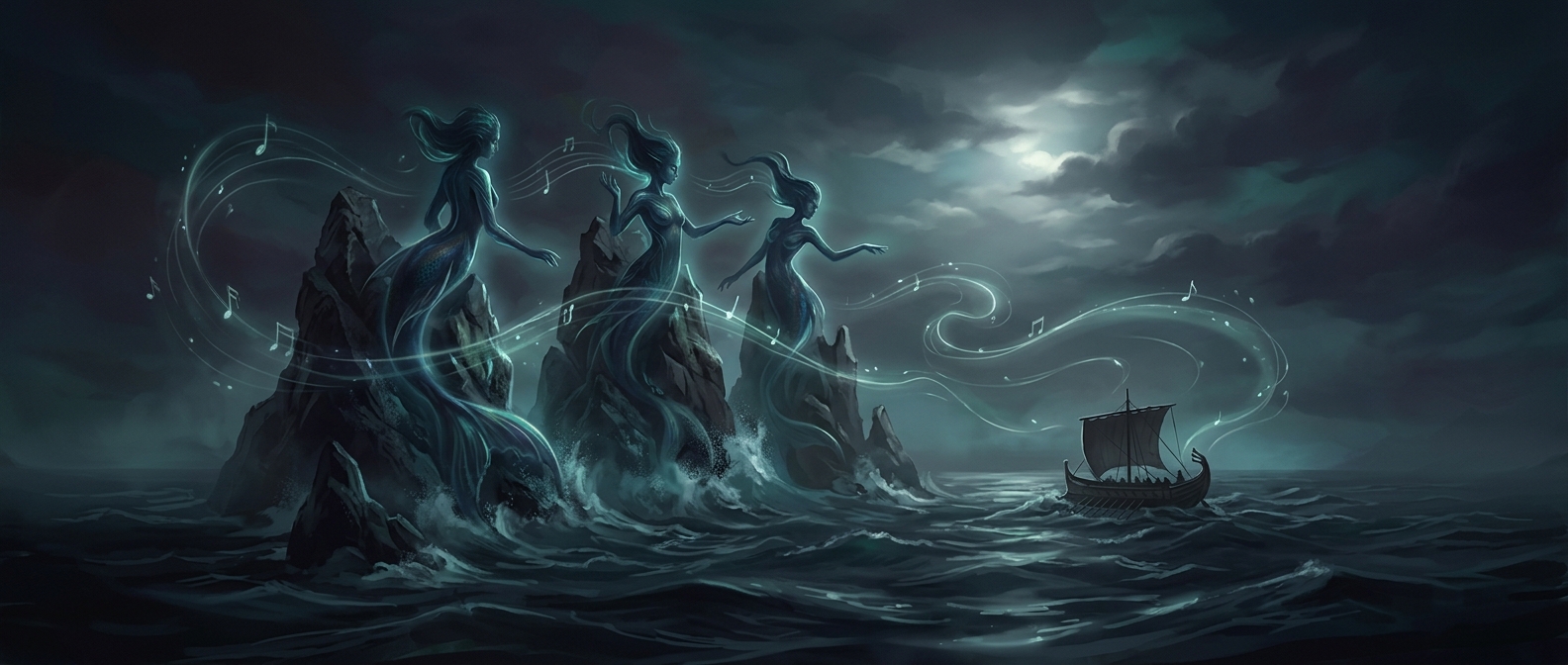
In many European tales, a mermaid’s danger lay in her ability to draw a sailor’s attention away from the work of keeping a ship safe. A song or a glimpse of a beautiful figure could make a crew steer toward shore—or fail to notice how close the vessel had come to rocks. The supernatural lure gave a human shape to a perilous sequence: distraction, a wrong course, and a wreck.
The mermaid was not always portrayed as a calculating killer, and folklore varied from place to place. But stories that made her a deliberate wrecker cast the loss as an encounter with an intelligent threat, rather than simply bad luck or treacherous water.
A warning shaped like a character
That framing made the tale easy to remember and retell. A rocky coast could be familiar to local sailors, but its danger was hard to see in darkness, fog, or rough seas. A mermaid’s song supplied a vivid reason someone might ignore caution and approach it anyway.
The motif also overlaps with older stories of alluring beings who entice travelers toward danger, including the classical sirens. The figures are not identical, but the shared pattern is clear: attraction becomes a trap. In this version of the mermaid legend, the shoreline does not merely threaten a ship—the threat seems to call the crew toward it.