Why card tournaments need judges
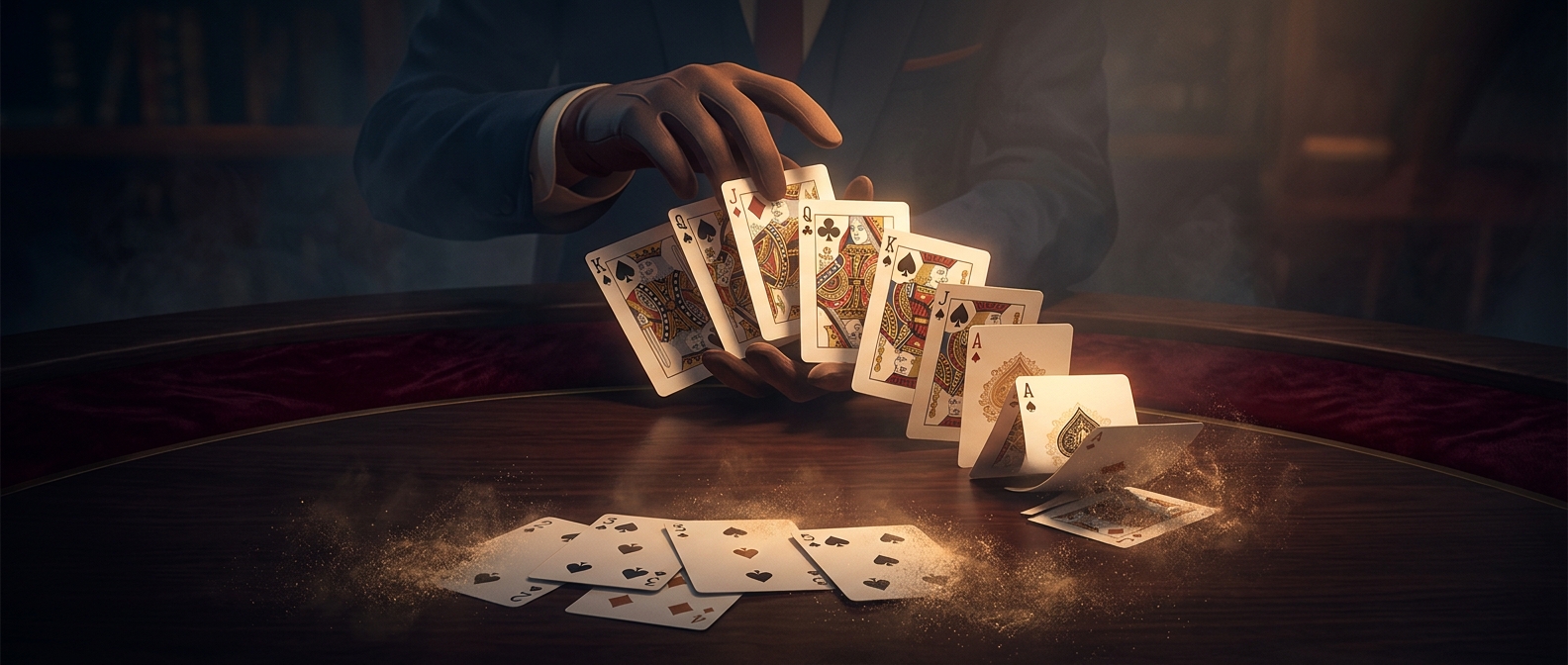
In a complex card game, a move’s legality can depend on several things at once: what a card says, what has already happened in the match, and which effects are currently active. A monster attack, for example, may look straightforward until another card changes its target or limits when it can happen. Players are focused on competing; a judge provides a separate, rules-focused interpretation of the situation.
Turning a rule into a ruling
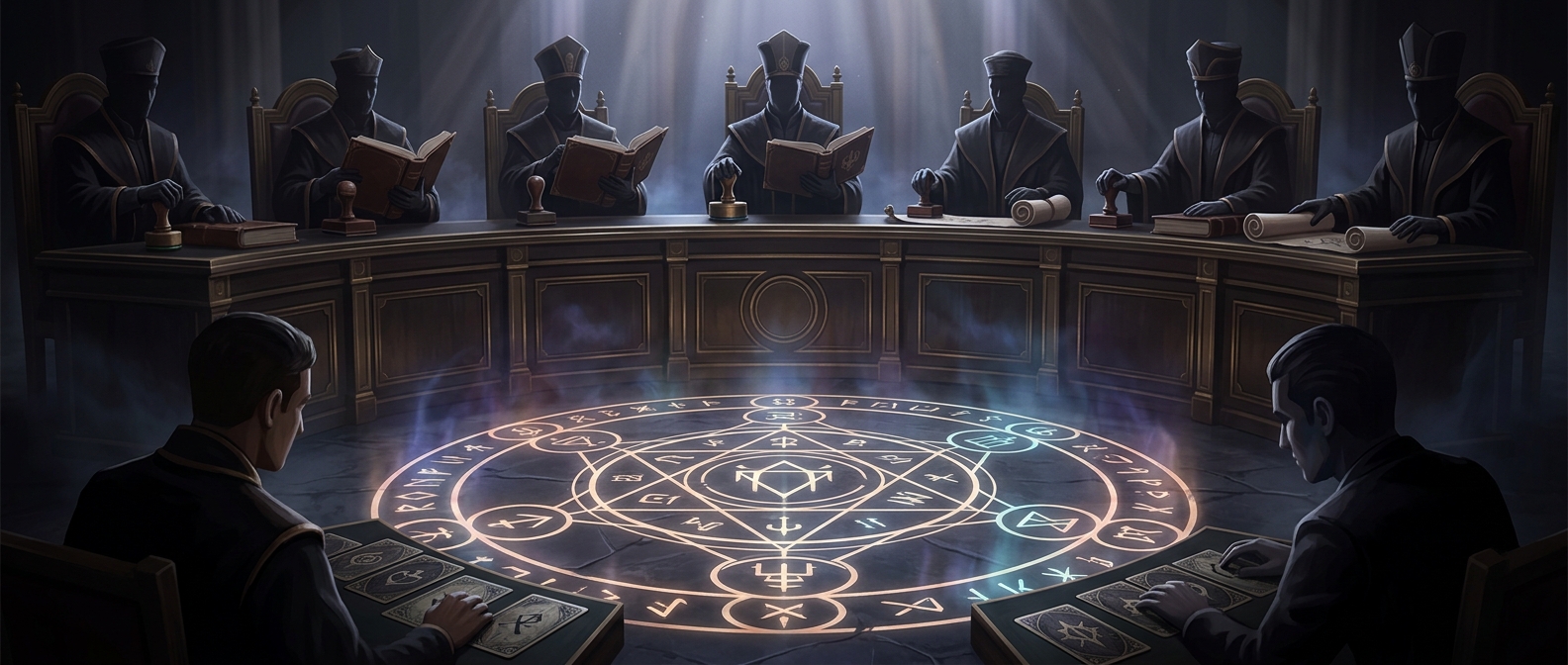
A judge typically asks what actions occurred and checks the relevant cards and tournament rules. The task is not to decide what a player intended to do or which move would be cleverest. It is to determine how the rules apply to the game as it stands, then explain that ruling so both players understand what happens next.
That matters because a tournament needs more than a rulebook: it needs a consistent way to handle situations the players may interpret differently. Without an official ruling, a disagreement can stall a match or leave players to settle the question themselves. A judge can resolve the immediate issue and help keep play moving, while applying the same rules across the event.
The judge does not make a complicated game simple. Instead, the judge makes its complexity playable: when a monster’s attack meets an unexpected effect, the match can continue on the basis of a shared ruling rather than competing guesses.