How a sheep becomes a mountain pack animal
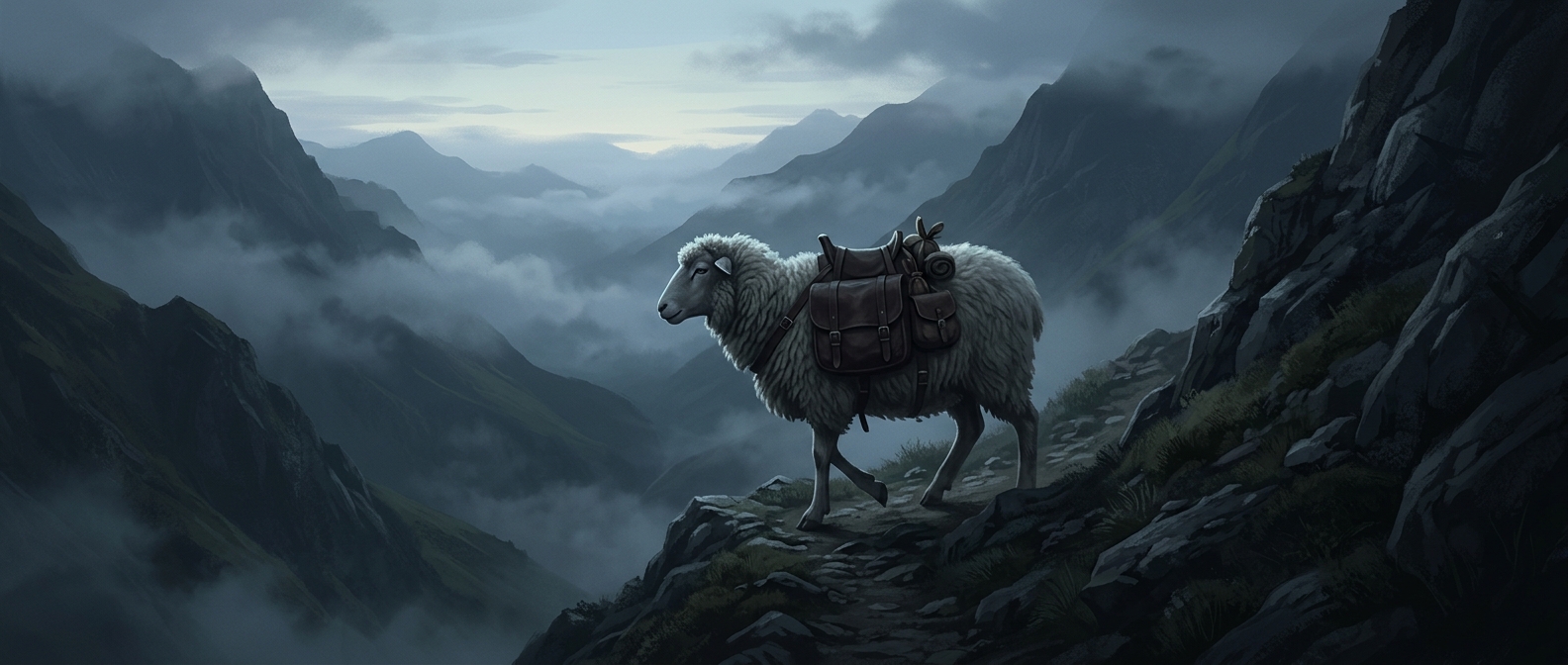
A pack saddle spreads weight across an animal’s back so a load does not press on one small, painful point. Supplies are usually divided into two sides and secured to stay balanced: a lopsided bundle can shift on a turn, pull the saddle out of place, or make footing harder on uneven ground. The load must also leave the sheep room to move its legs and breathe freely.
The trail sets the limit
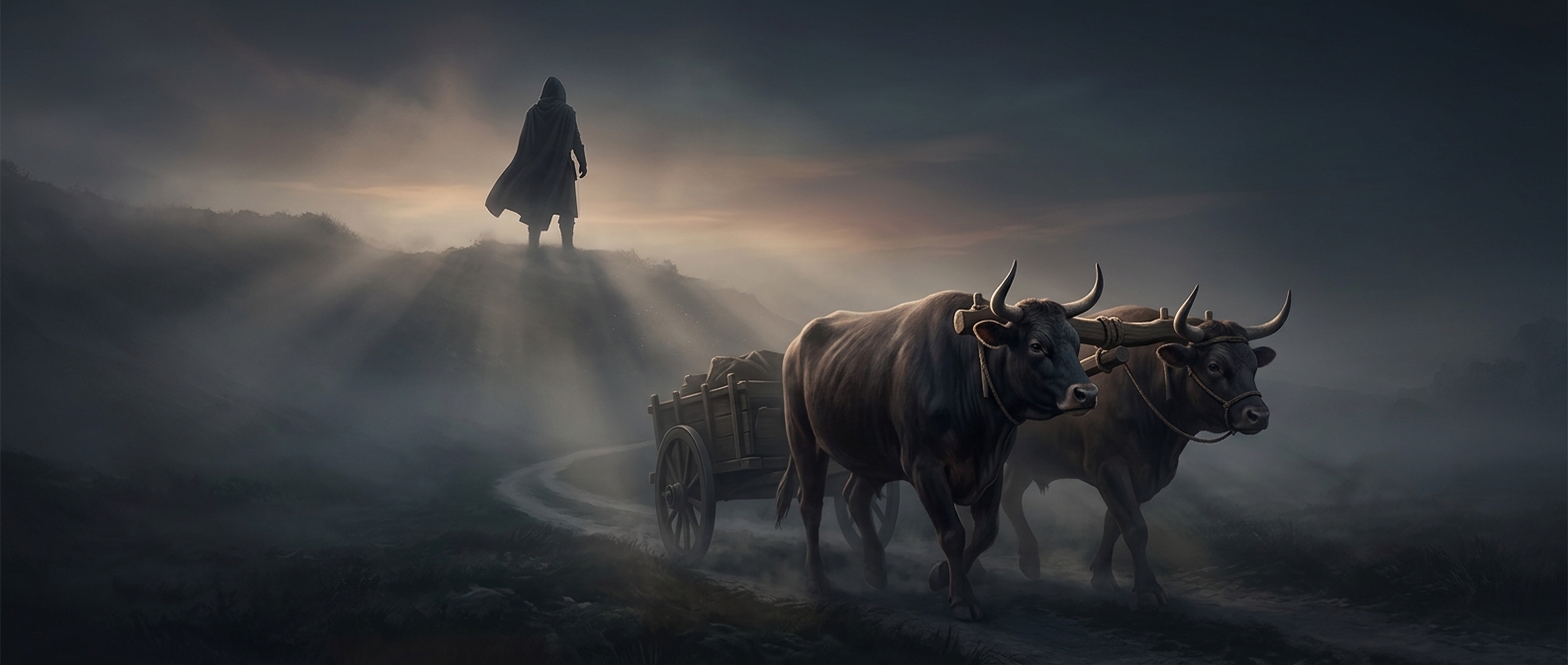
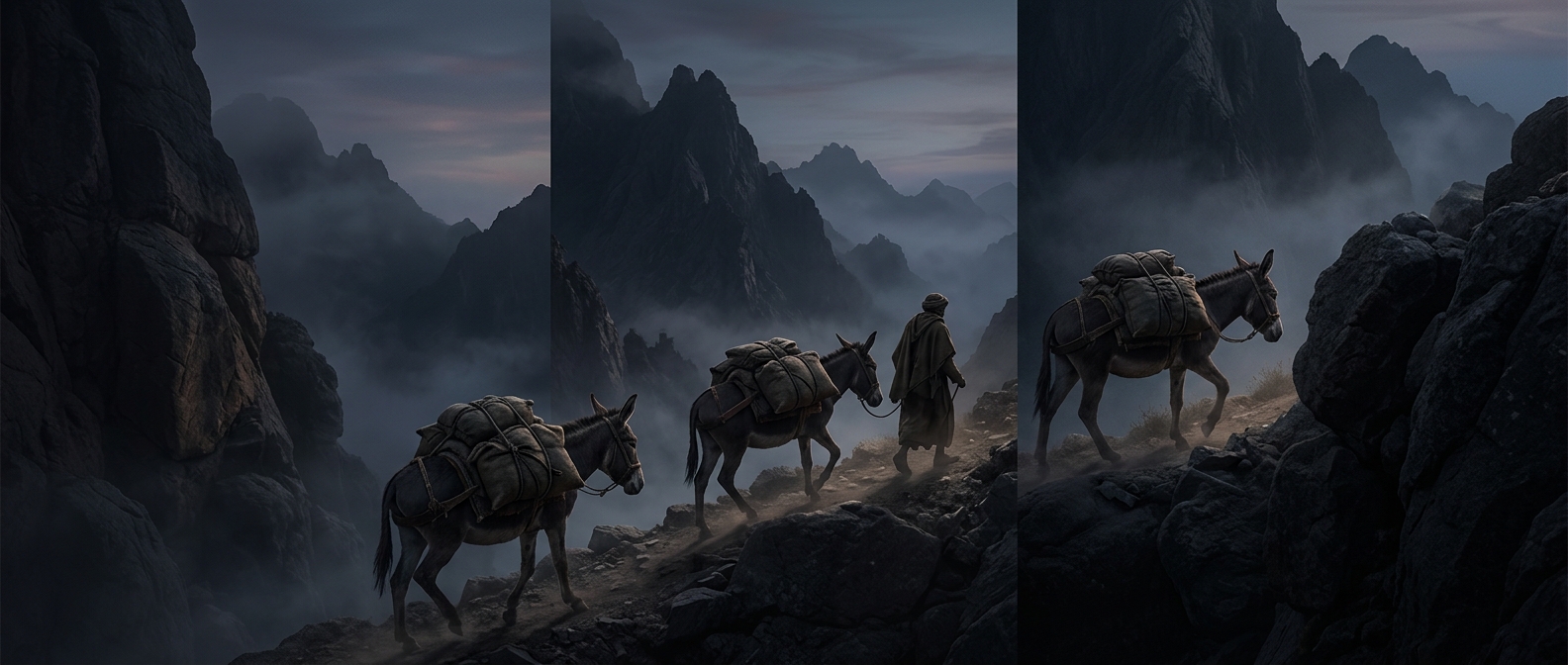
Sheep can make progress where a cart cannot because they need only enough space for their own bodies and can place their hooves on narrow patches of firm ground. But they are not miniature trucks. Steep slopes, loose rock, tight bends, and low branches constrain both the size and shape of a load. A handler has to choose a pace and route the animals can manage, rather than simply sending more freight down the path.
That changes the logistics of a remote journey. Goods must be broken into manageable bundles, loaded and checked by hand, then moved in trips that follow the animals’ pace. The advantage is access, not speed or capacity: a sheep can carry a modest supply along a route that has no room for wheels at all. On a cliffside trail, that can make the difference between a difficult route and a usable supply line.