Why Donkeys Could Carry Freight Where Carts Couldn’t
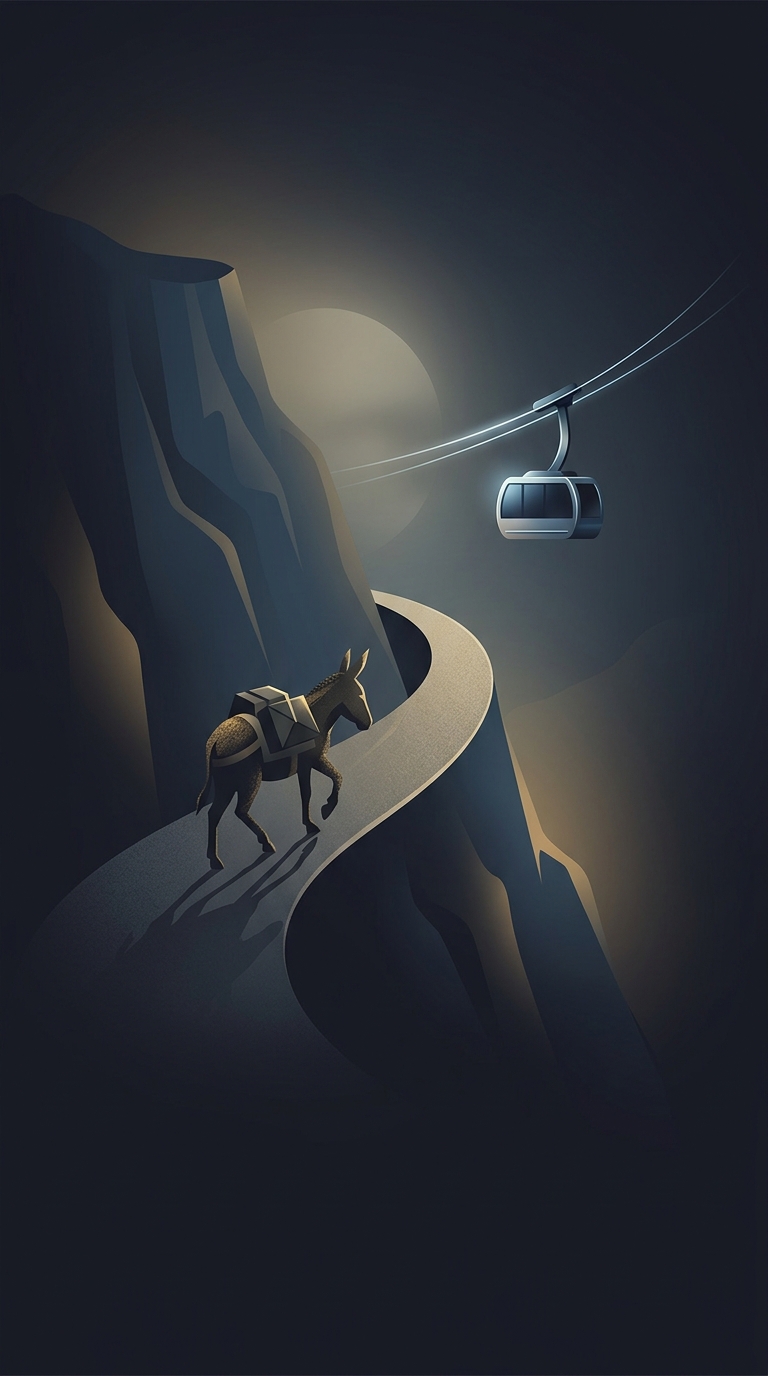
On a steep mountain path, a cart needs a track wide and smooth enough for wheels—and room to turn. A donkey needs only a strip of ground broad enough for its hooves. That difference made pack animals useful on routes that climbed through rocky passes, switchbacks, and narrow ledges where building a road for wheeled traffic was impractical.
How a Pack Became a Moving Load
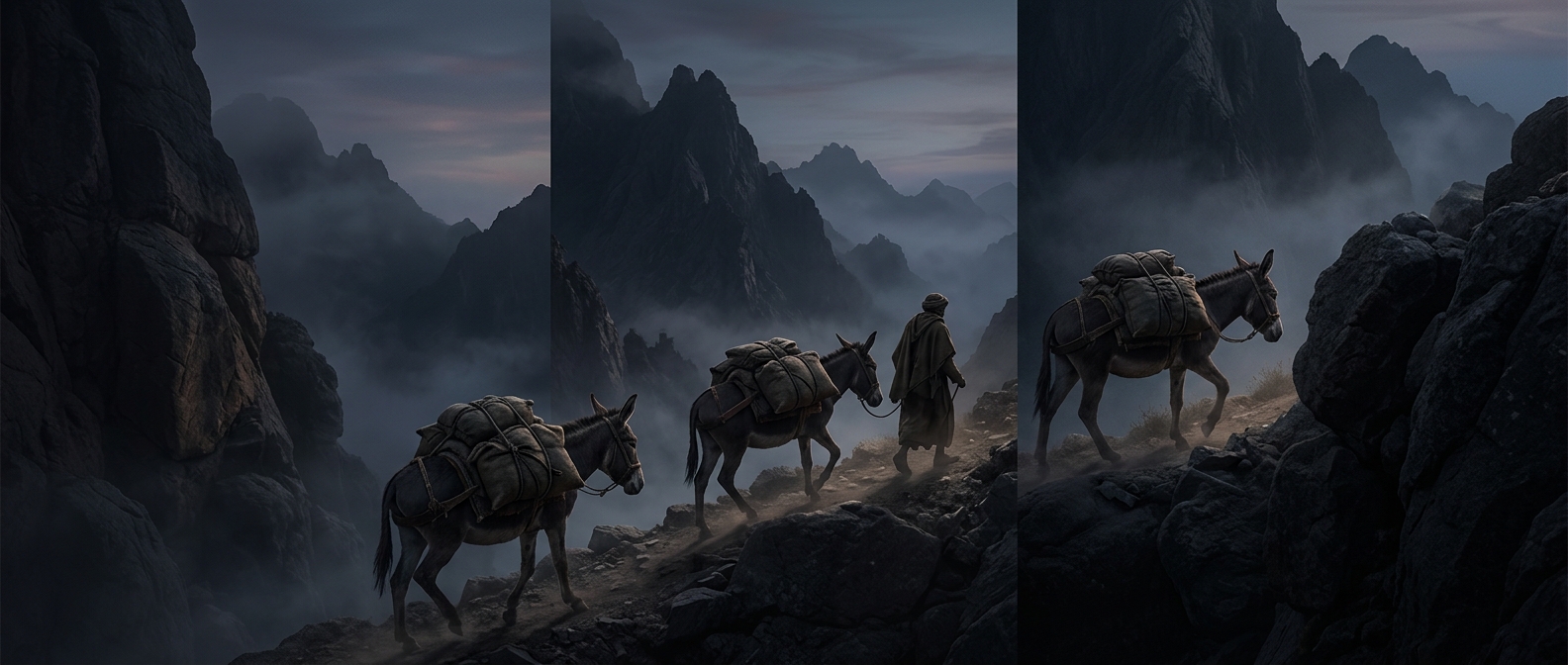
Instead of pulling cargo, a donkey carried it on a pack saddle secured across its back. Loads were often divided between the two sides, helping keep the weight balanced as the animal stepped over uneven ground. People still had to load carefully: a shifting bundle could make walking harder or rub against the animal, and steep sections demanded manageable loads and steady handling.
The system turned a difficult route into a chain of short journeys. Donkeys could carry supplies between settlements, farms, or trading points, while handlers guided them around obstacles and kept the line moving at the pace of the path. The animal’s sure footing helped, but the route still required judgment; a narrow trail left little room to pass or recover from a stumble.
The Tradeoff Behind Mountain Freight
Pack animals could use trails that carts could not, but they carried less cargo per trip than a wagon on a suitable road. Moving a large shipment therefore meant more animals, more trips, and more work for handlers. In rugged terrain, that was often the practical bargain: accept slower, smaller loads in exchange for reaching places wheels could not.