How a Small Trigger Can Release a Much Larger Force
A rock does not need to contain much energy to start a destructive event. The key is what surrounds it. In a space filled with flammable gas or fine combustible dust, a small spark or hot surface can ignite the mixture. The rock is only the trigger; the fuel and oxygen supply the energy for the explosion.
The Chain Reaction
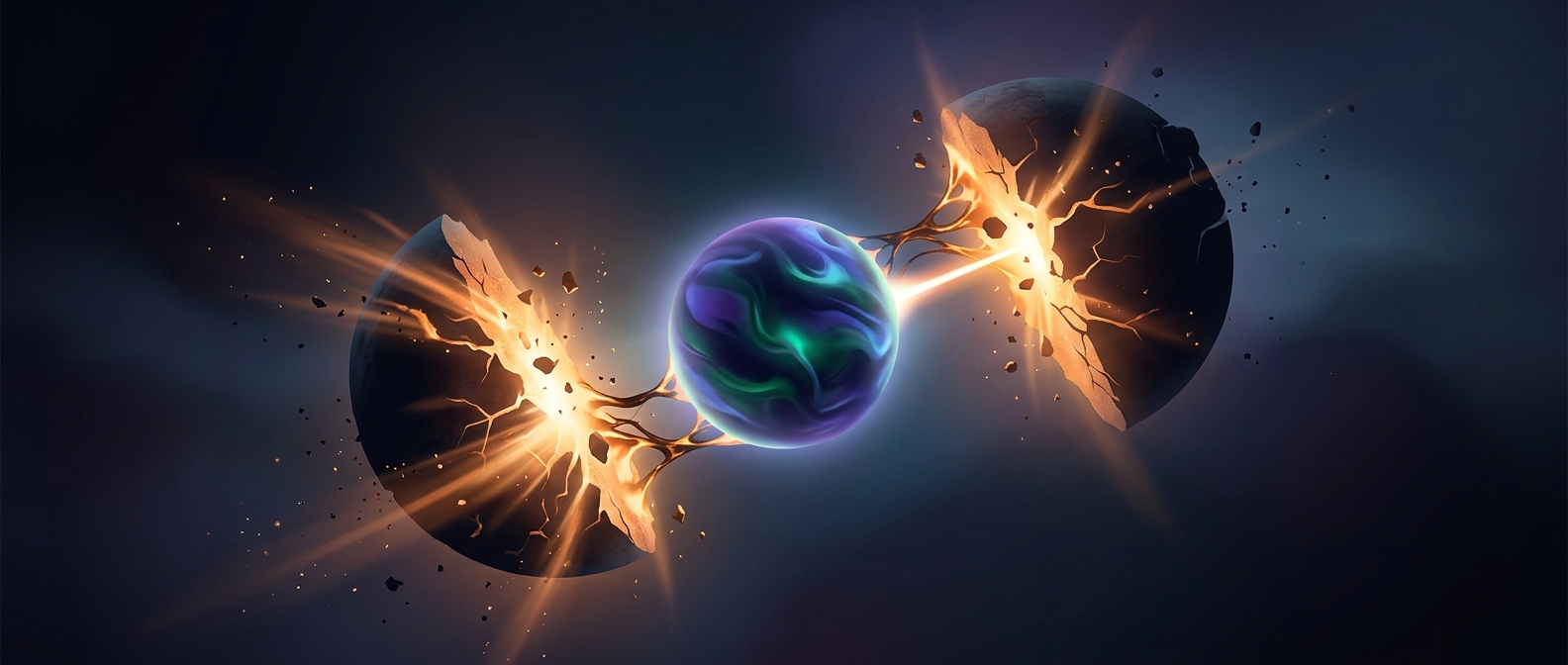
Once ignition begins, burning fuel heats nearby gas and pushes it outward. That pressure can disturb settled dust or release more fuel, creating fresh material for the fire to consume. In enclosed spaces, pressure has little room to escape, so it can build quickly and damage walls, equipment, or nearby structures.
This is why a seemingly minor action can matter in a hazardous environment. A stone striking metal might create a spark under the right conditions, but a rock by itself does not cause a massive blast. The danger comes from the combination of an ignition source, combustible material, and an environment that allows heat or pressure to accumulate.
Why the Setting Matters
The same impact can be harmless outdoors and catastrophic near a concentrated fuel source. Remove the fuel, prevent sparks, or allow pressure to vent, and the chain breaks. The small trigger explains how an event begins; the surrounding conditions explain how large it becomes.