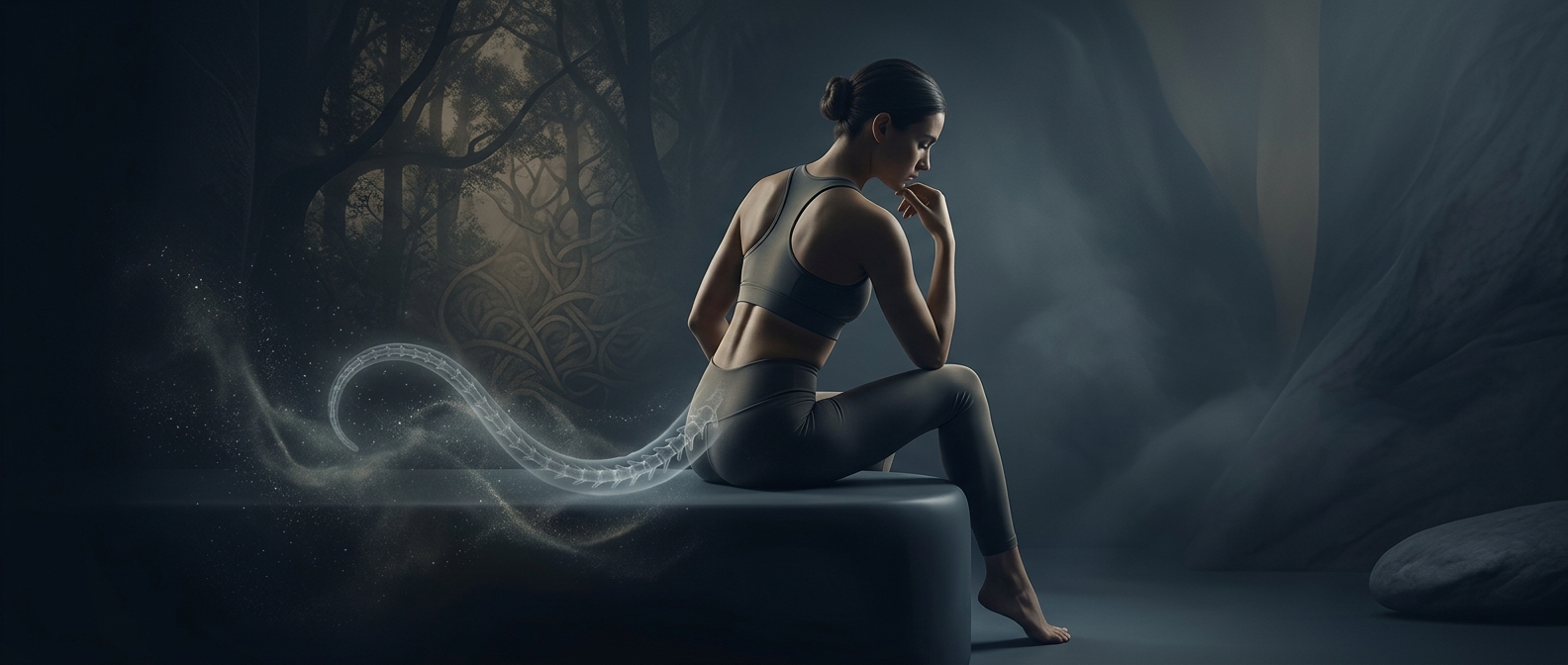
The tailbone is an anchor for the pelvic floor
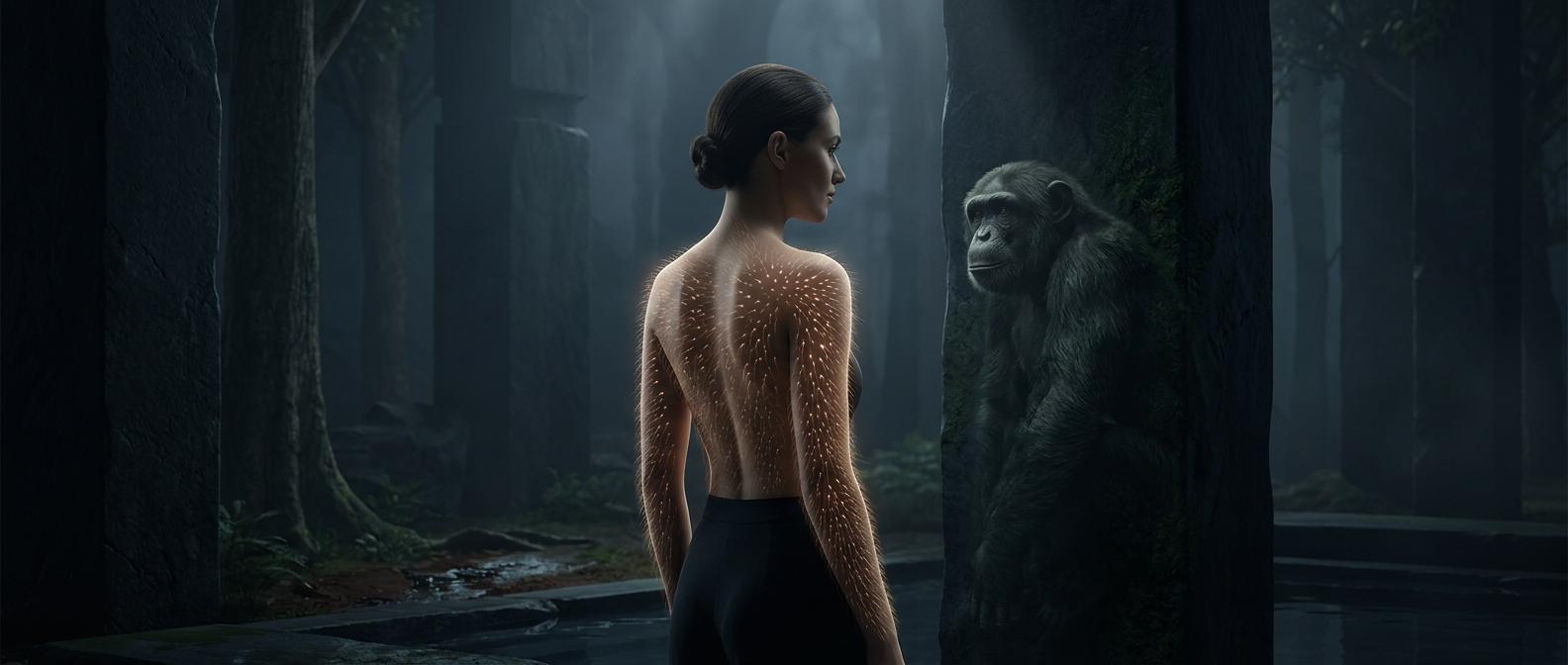
The tailbone, or coccyx, is a small stack of bones at the bottom of the spine. In most people, several tiny vertebrae are partly or fully fused. It is a remnant of the bony structure that supported a tail in distant ancestors, but in humans it has been incorporated into the pelvis’s support system.
Several tissues attach there, including parts of the pelvic floor—the sheet of muscles that helps support the bladder and bowel and helps control urination and bowel movements. Ligaments and connective tissue also link the coccyx to nearby structures. The bone gives these tissues a fixed point to pull against, much like a small anchor at the back of the pelvis.
Why a small bone can still matter
The pelvic floor needs both strength and a stable framework. When its muscles contract, their attachments help them support the organs above and contribute to control at the openings of the pelvis. The coccyx also moves slightly as the body changes position; it is not simply a rigid peg.
That is why a bruised or irritated tailbone can hurt during ordinary actions such as sitting, leaning backward, or standing up from a chair. Pressure and movement tug on the sensitive tissues around the bone. The pain can make sitting difficult even though the coccyx is small and does not bear the body’s weight in the way the legs do.
The evolutionary change was not a clean switch from “useful tail” to “useless leftover.” The tail’s original role disappeared, but the coccyx remained as a place for pelvic tissues to attach. Its job is less about moving a tail than helping hold the pelvis’s support system together.