Why “Me Time” Can Win at Midnight
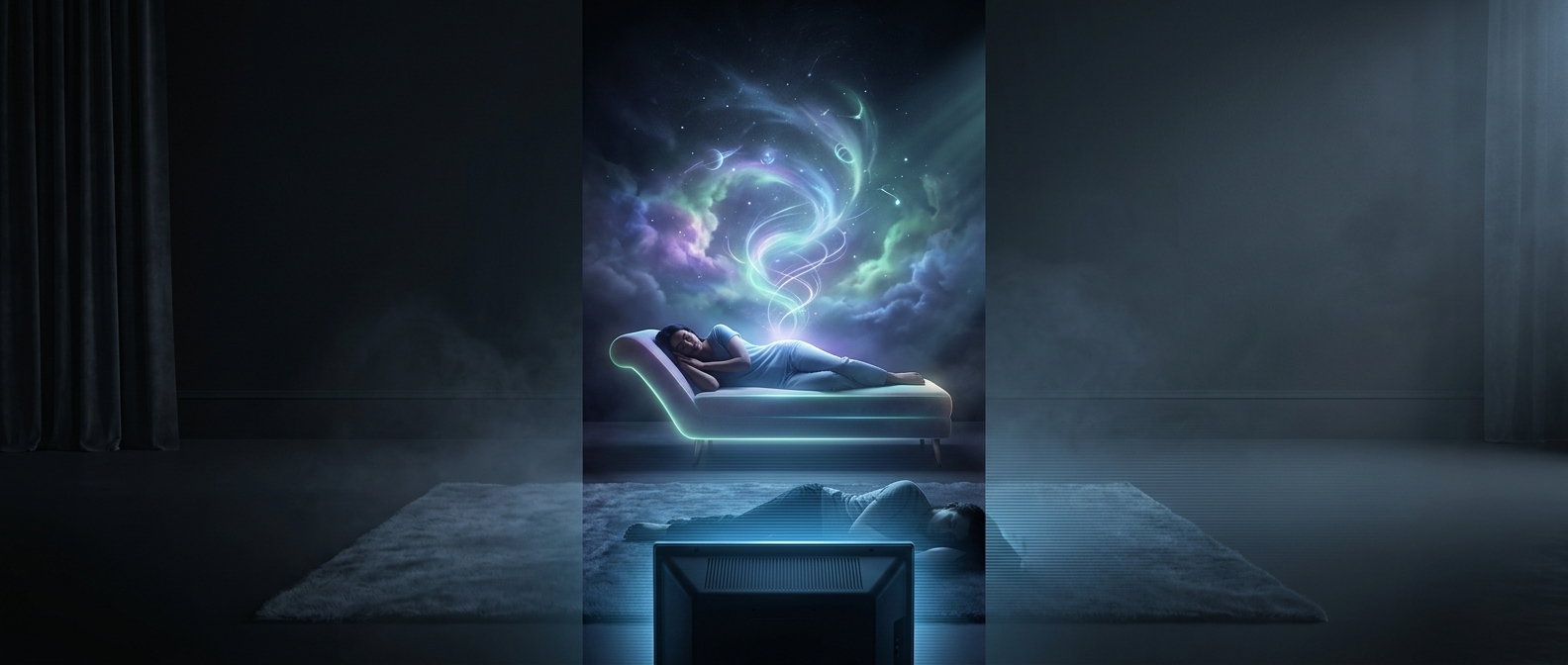
After a day shaped by work, caregiving, or other people’s schedules, late evening may be the first stretch that feels truly self-directed. A quiet hour with a show, a game, or a phone can feel less like entertainment than a small claim on one’s own time. That makes stopping difficult even when the body is tired.
Researchers and clinicians often call this pattern bedtime procrastination: putting off going to bed without a practical reason for doing so. The delay can be especially tempting when the immediate reward—more control or pleasure—is vivid, while tomorrow’s tiredness feels distant.
The Body Keeps a Different Clock
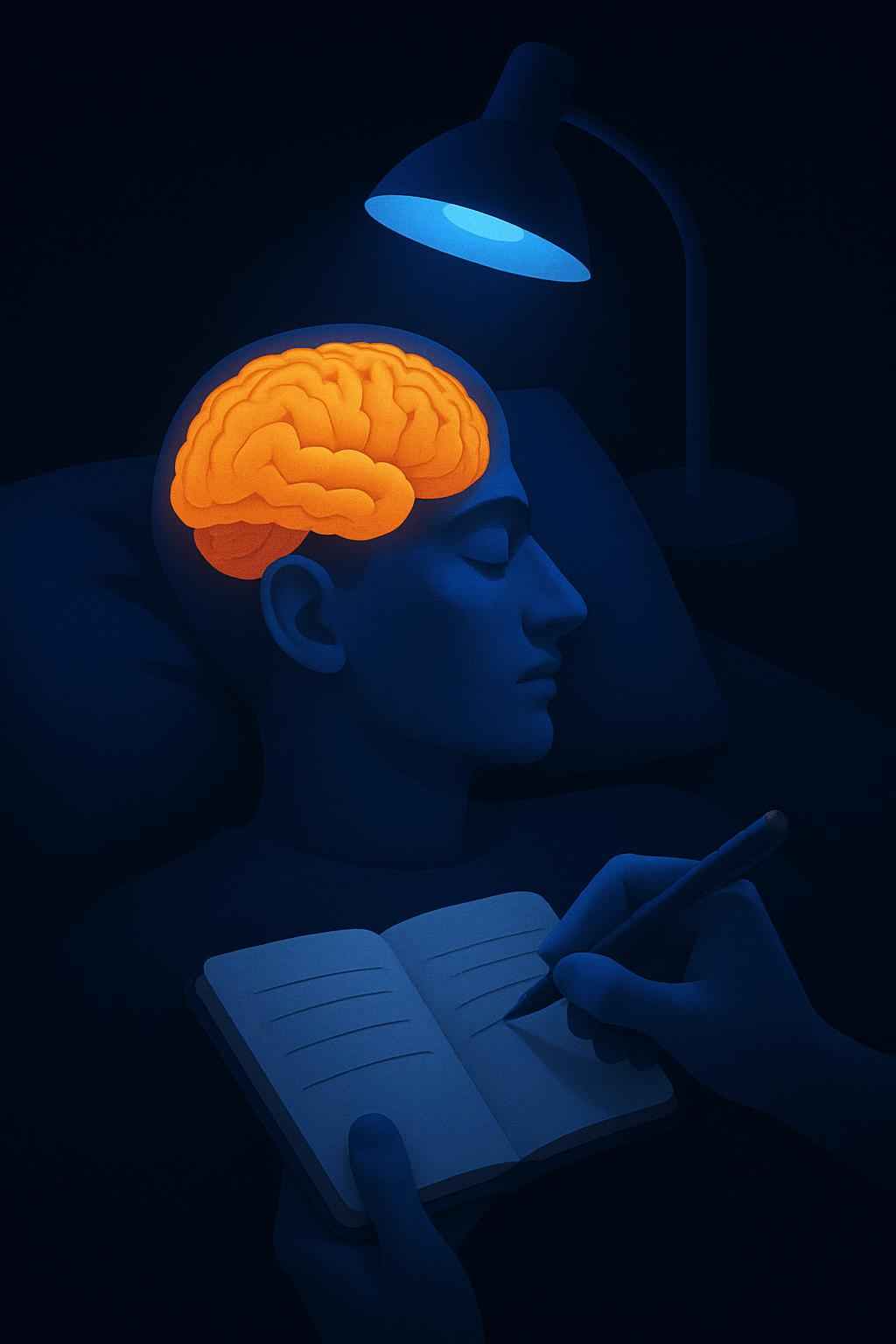
As waking hours accumulate, the brain’s drive for sleep grows. This is sometimes called sleep pressure. At the same time, the body’s internal clock helps regulate when alertness rises and falls over roughly a 24-hour cycle. These forces interact: a person can feel worn out yet remain engaged by a bright screen, an absorbing activity, or the sense that the evening is finally theirs.
That does not mean the need for sleep has gone away. It means an immediate, rewarding choice is competing with a delayed benefit. When the same choice repeats, a modest nightly delay can become a regular shortage of sleep, making mornings harder and potentially leaving less energy for the next day’s demands.
Making Rest Feel Less Like a Loss
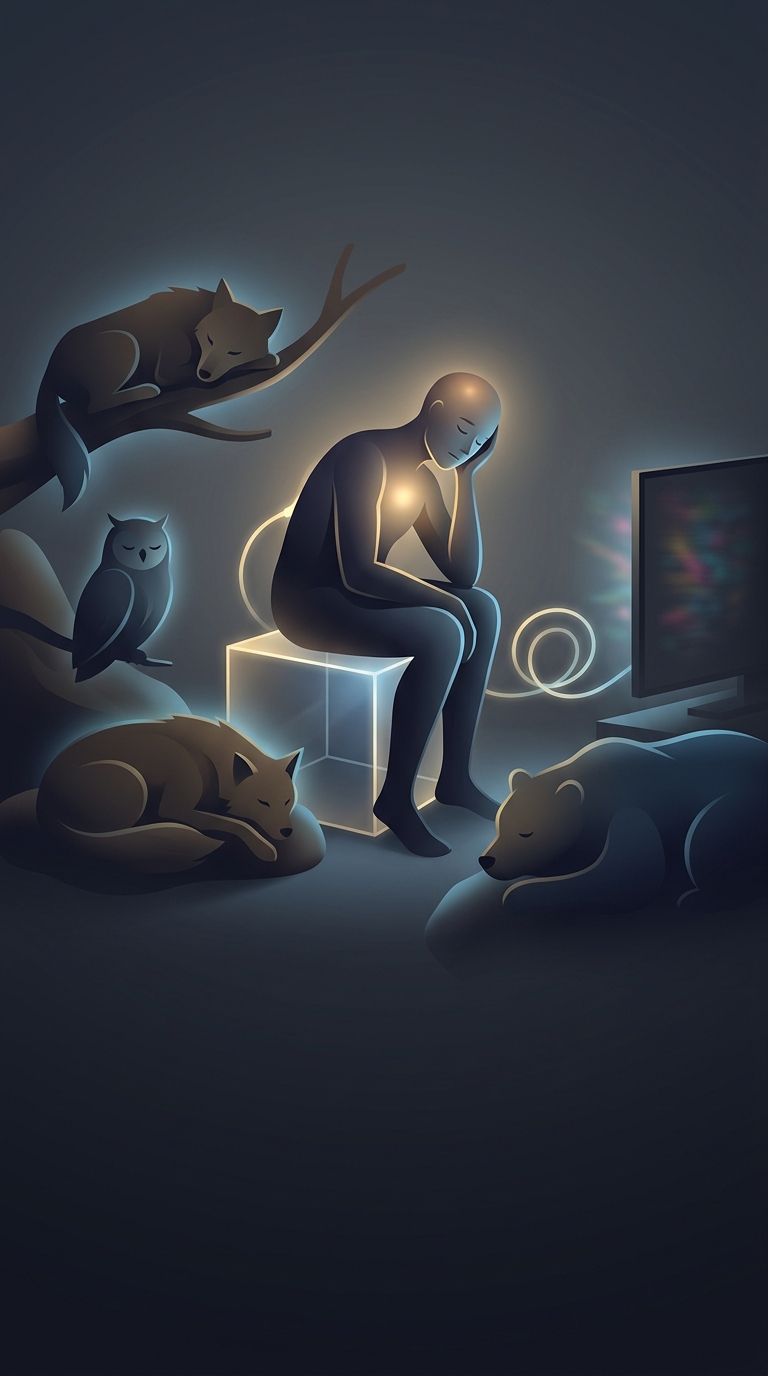
The useful question is not simply why someone lacks discipline; it is what the late-night hour is providing. If it is the only dependable time for leisure, going to bed can feel like surrendering the day twice. Protecting a small, realistic pocket of personal time earlier may make bedtime less costly emotionally. The telling detail is that reclaiming the night can borrow from the very energy needed to enjoy tomorrow.