Why the brain is especially vulnerable to lost sleep
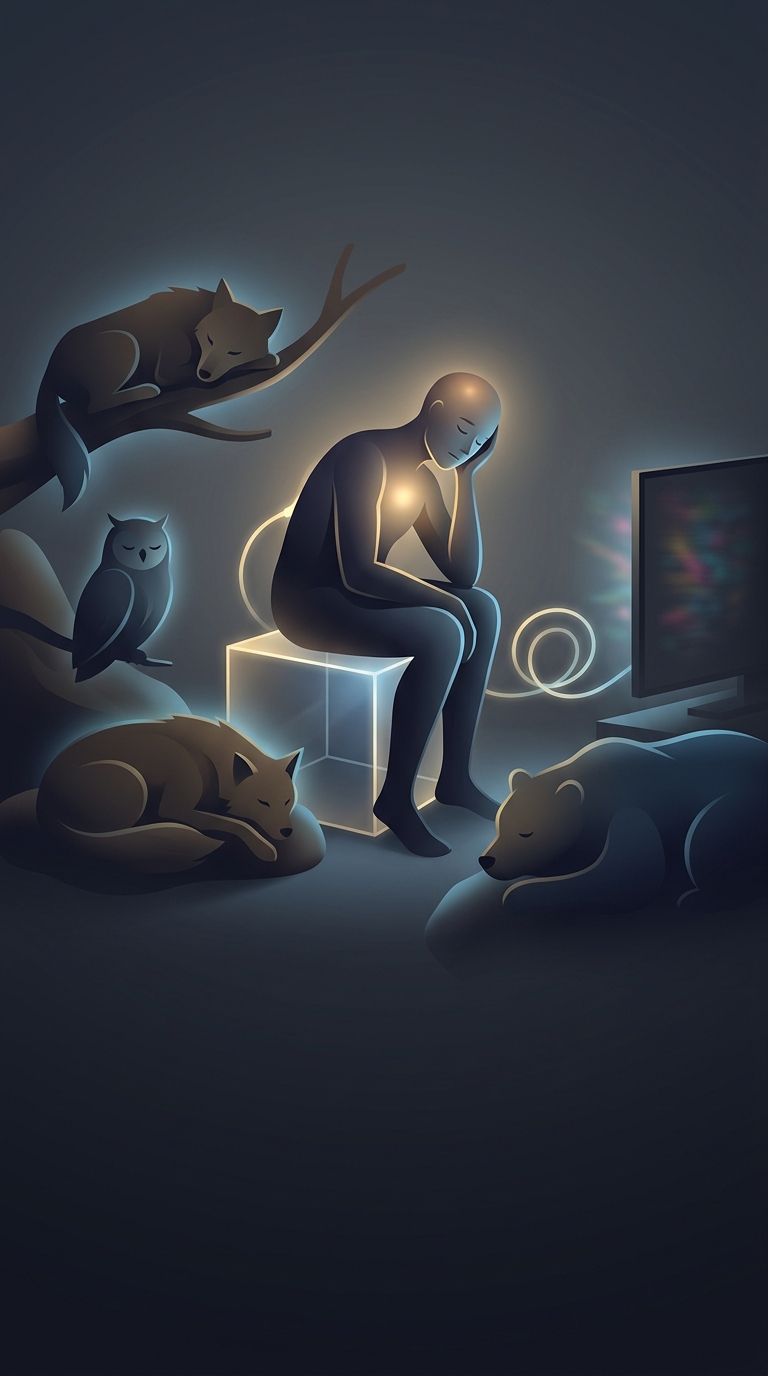
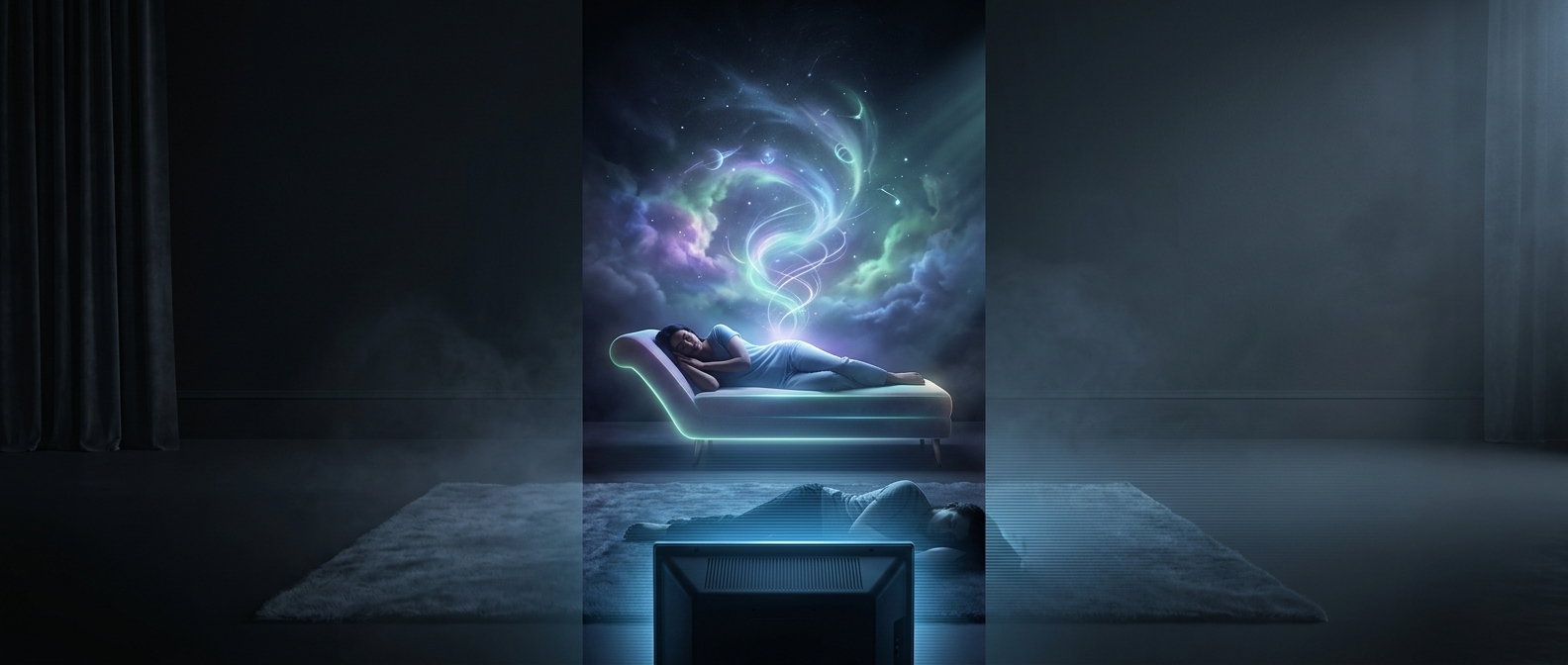
Sleep is not a pause in bodily activity. It is a recurring period when the brain regulates attention, emotion, memory, and many processes that help coordinate the rest of the body. When sleep is repeatedly cut short, those systems do not simply switch off together. Attention becomes unreliable, judgment worsens, and brief involuntary lapses—called microsleeps—can occur even when someone is trying to stay awake.
That makes severe sleep loss dangerous before it produces a neat, measurable sequence of organ failure. A person may misjudge a hazard, lose control of a vehicle, or make a consequential mistake while the outward signs still seem manageable.
Strain spreads beyond alertness
As sleep loss continues, the body’s regulation becomes less dependable. Immune defenses can be disrupted, and systems involved in stress responses and normal organ function can be pushed out of balance. The danger is therefore cumulative: impaired brain function can create immediate risks, while ongoing strain affects the body more broadly.
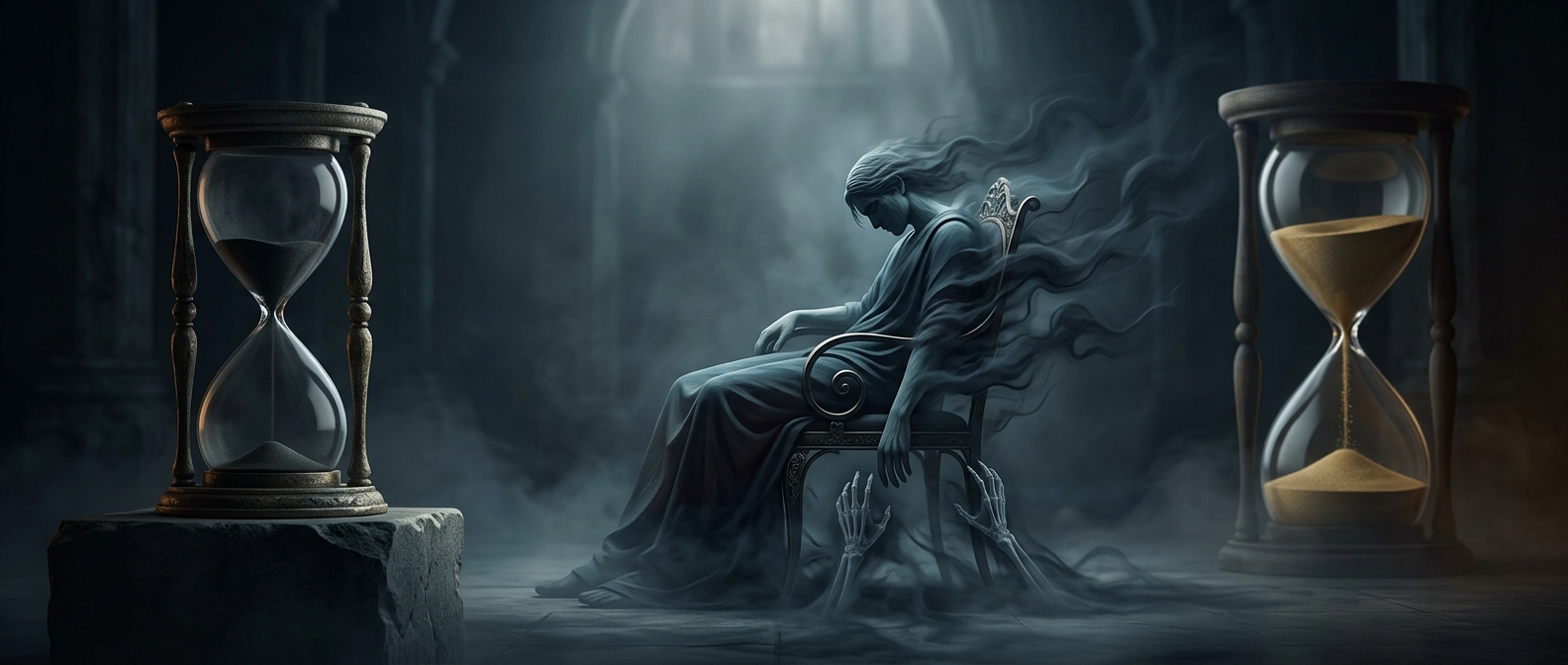
Starvation also threatens organs, but the body can draw on stored energy as it adapts to a lack of food. There is no equivalent reserve that makes prolonged wakefulness safe. That helps explain why extreme sleep deprivation can become life-threatening on a shorter timeline, though the comparison is not a dependable clock for any one person.
There is no safe countdown
The outcome depends on how much sleep is lost, for how long, and on a person’s health and circumstances. In real life, crashes and other consequences of impaired judgment may be the most immediate danger; severe bodily harm can also develop under extreme, prolonged conditions. The practical warning is simple: feeling able to push through does not mean the brain is functioning reliably.