Why the tailbone is still there
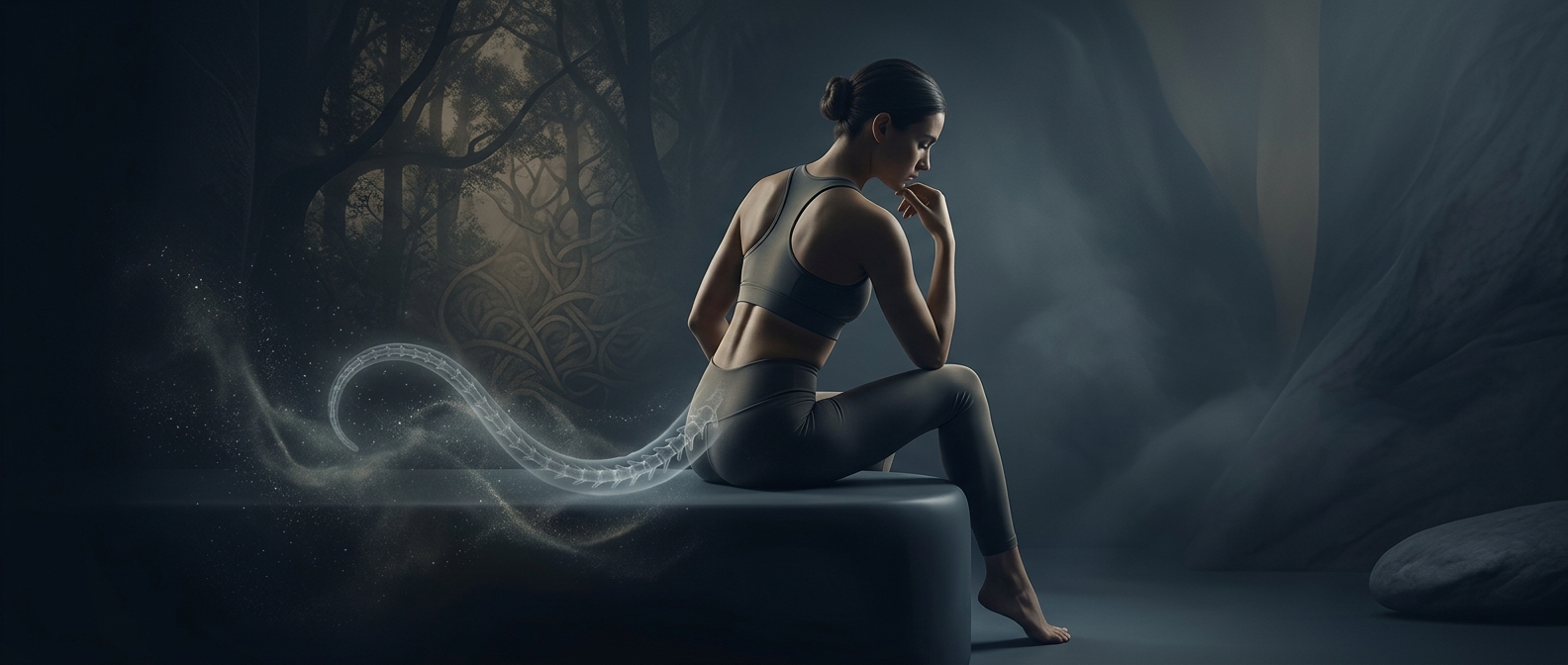
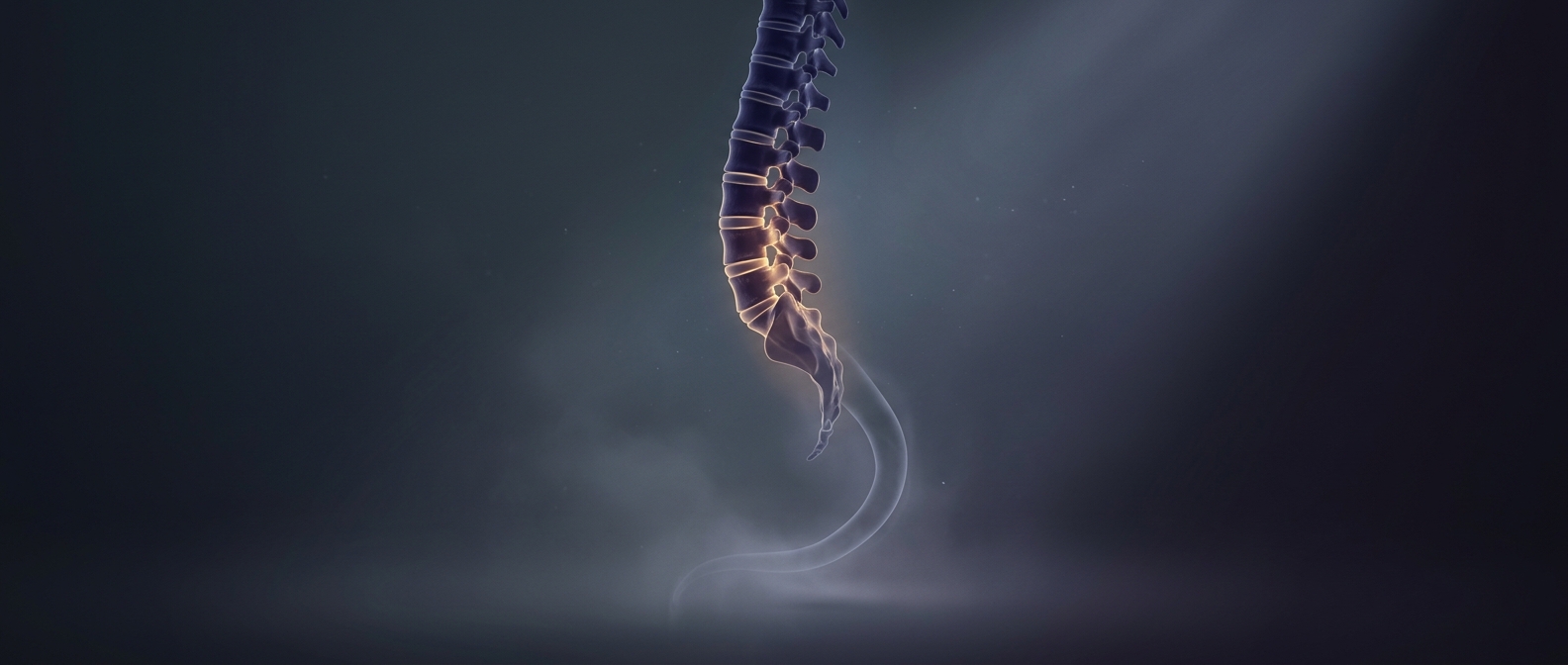
The coccyx is the small, fused set of bones at the base of the spine. In human embryos, a temporary tail-like structure forms and then mostly recedes as development continues. The coccyx remains as the tail’s reduced skeletal trace—not a useless leftover, but an attachment point for muscles and ligaments that support the pelvic floor and help stabilize the body while sitting.
Why a fall can hurt so much
When you sit, the pelvis usually bears much of your weight. But in a hard backward fall, especially onto a rigid surface, force can drive the coccyx and the tissue around it against the ground. The area has limited cushioning, so a bruise can be painful even when the bone is intact; a stronger impact can also crack or displace it.
Pain may flare when sitting, leaning back, or standing up because those movements shift pressure around the injured area. The tailbone’s small size does not protect it from a direct blow: it lies at the end of a chain of bones with little soft tissue between it and the surface.
A small remnant with a working role
The coccyx no longer supports a tail, but it still anchors structures involved in supporting pelvic organs and controlling parts of the pelvic floor. Its evolutionary history and its present-day function can both be true: a reduced structure can persist while taking on useful work.