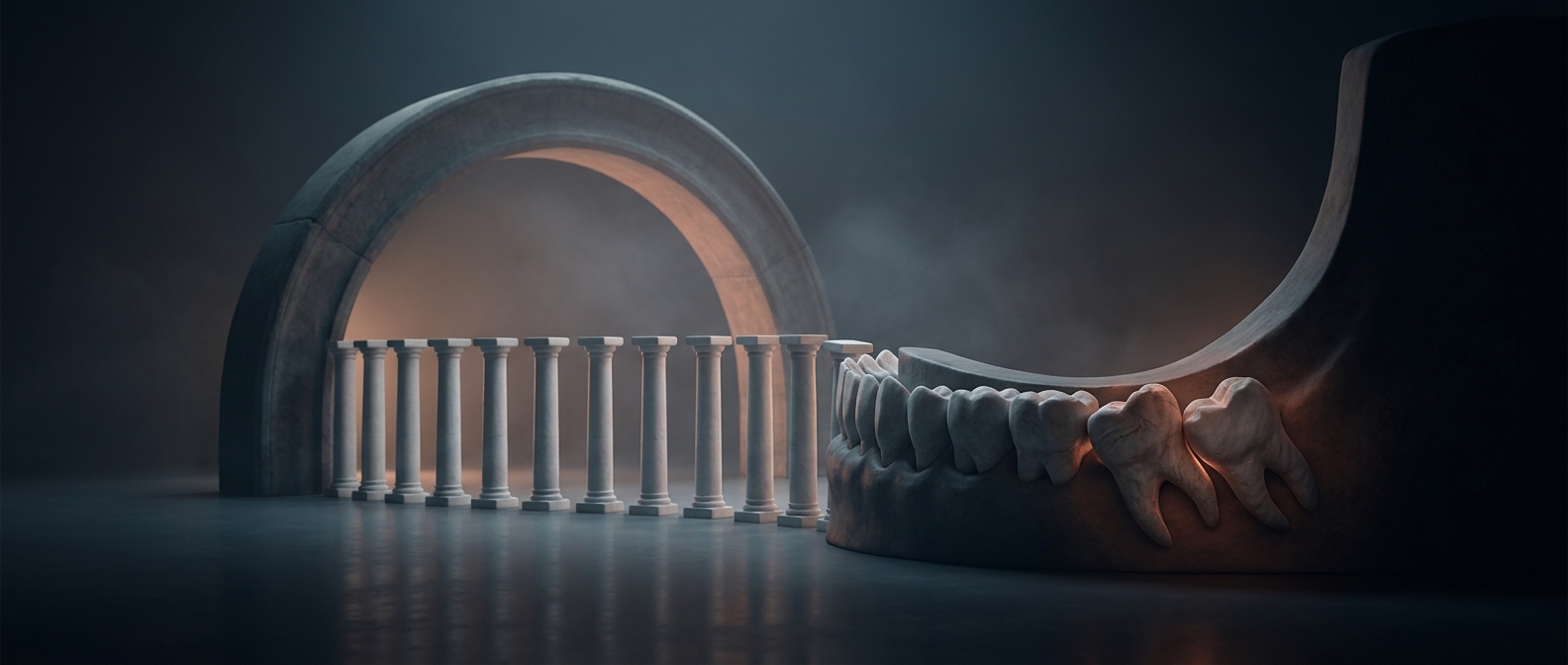
Why wisdom teeth can get stuck
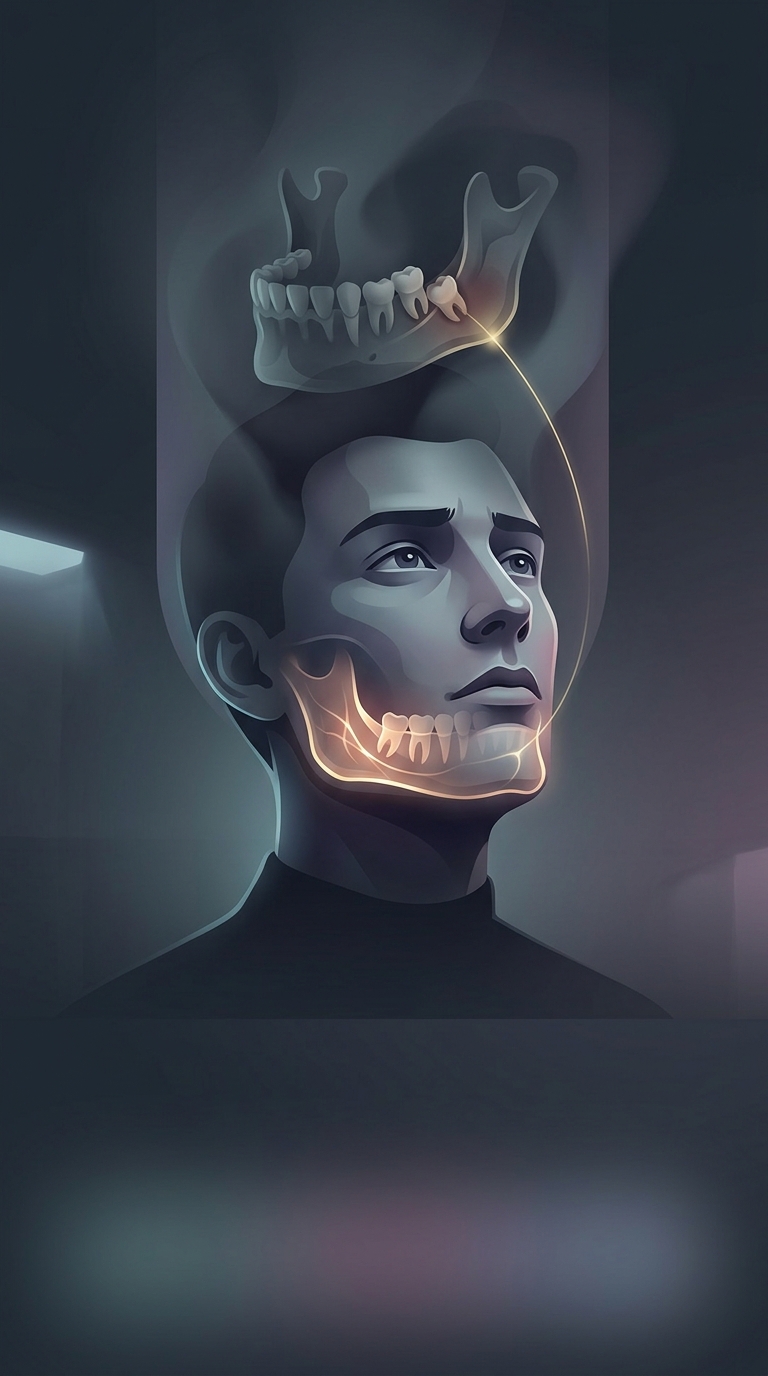
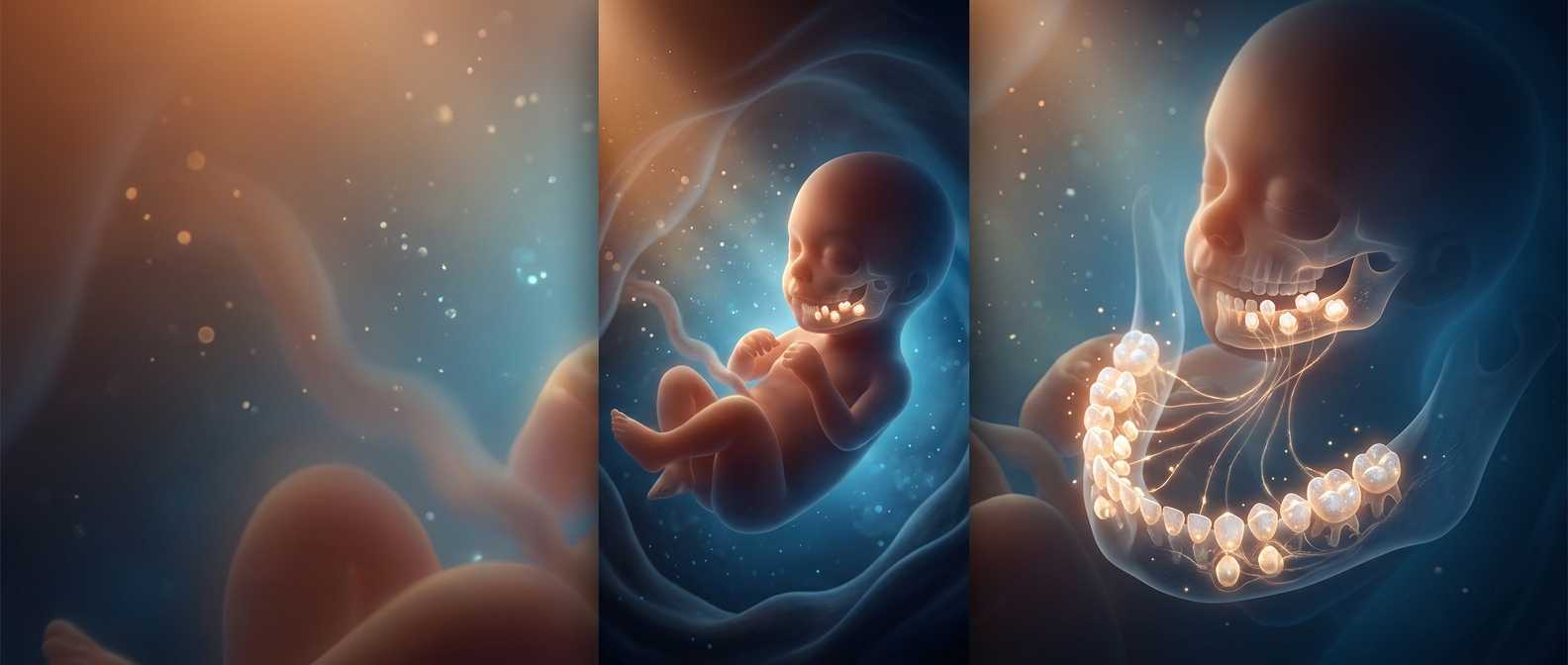
Wisdom teeth are the third molars, at the very back of the mouth. They develop later than the other permanent teeth, but “later” does not mean the jaw grows a fresh space for them. By the time they are ready to emerge, the available room may already be occupied by the teeth in front.
A tooth that cannot move into a clear path may stay partly or completely beneath the gum. Dentists call this impaction. Some impacted teeth point forward or sideways instead of upward; others are blocked by bone or neighboring teeth. The tooth’s direction and how much it has emerged help explain why wisdom teeth cause different problems from person to person.
Why a tight fit matters
A partly emerged tooth can leave a small flap of gum over its surface. Food and bacteria can collect beneath that flap, where brushing and flossing may not reach well. The result can be irritation or infection around the tooth. A tooth pressed against the molar in front can also make that area harder to keep clean, and may contribute to decay or damage there.
An impacted wisdom tooth does not automatically cause symptoms or need treatment. The practical concern is whether it is harming nearby teeth or tissues, or creating a pocket that is difficult to clean. That is why dental examinations and X-rays can matter even when the back of the mouth feels fine: they can show a tooth’s position before its effects are obvious.
The key constraint is often geometry, not tooth size. A wisdom tooth may be ordinary in shape yet have no unobstructed route into the mouth—like a final car trying to enter a parking row already filled. Each tooth’s position determines whether it can emerge cleanly or becomes a hidden corner where trouble can start.