How Oklo’s rocks switched a nuclear reaction on and off
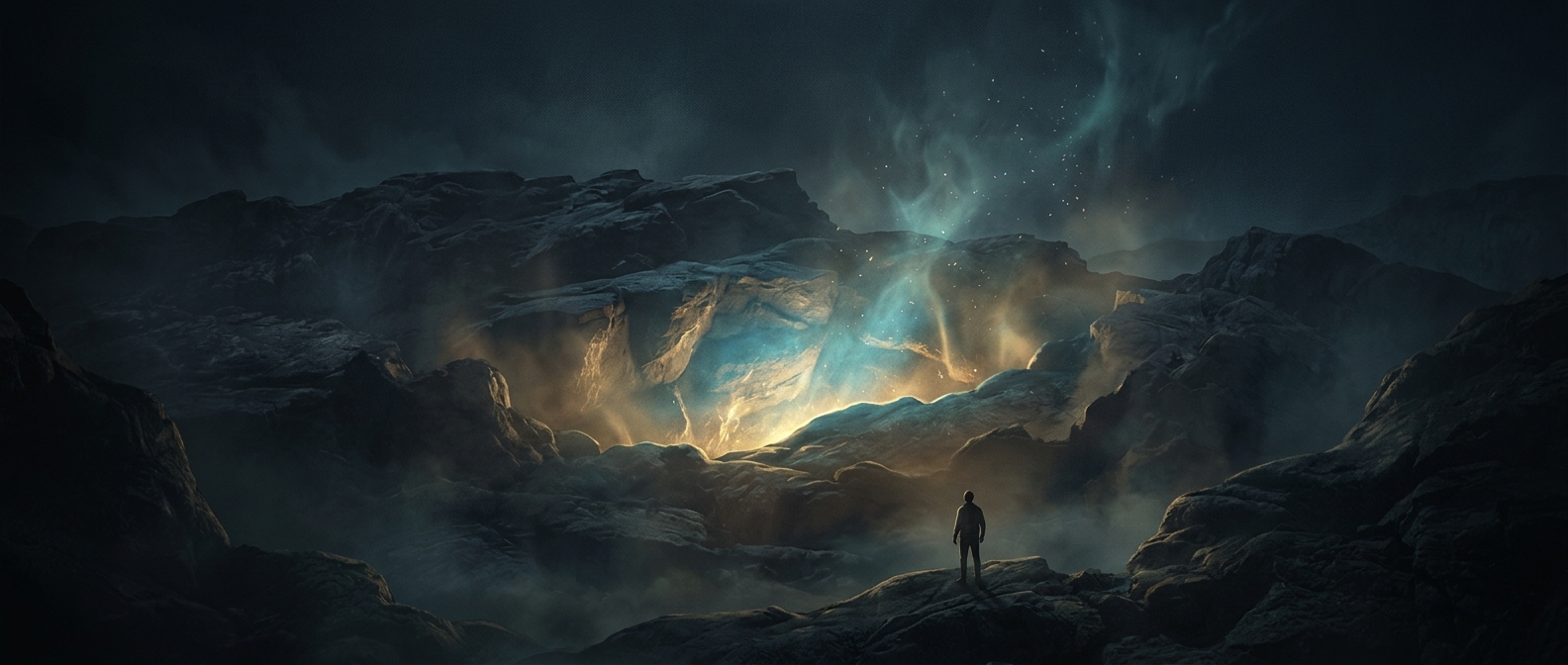
At Oklo in what is now Gabon, uranium-rich rock produced a natural chain reaction roughly two billion years ago. The key was not simply that uranium was present. The surrounding conditions let neutrons—particles released when uranium atoms split—cause further splits rather than escape or pass through without hitting another uranium atom.
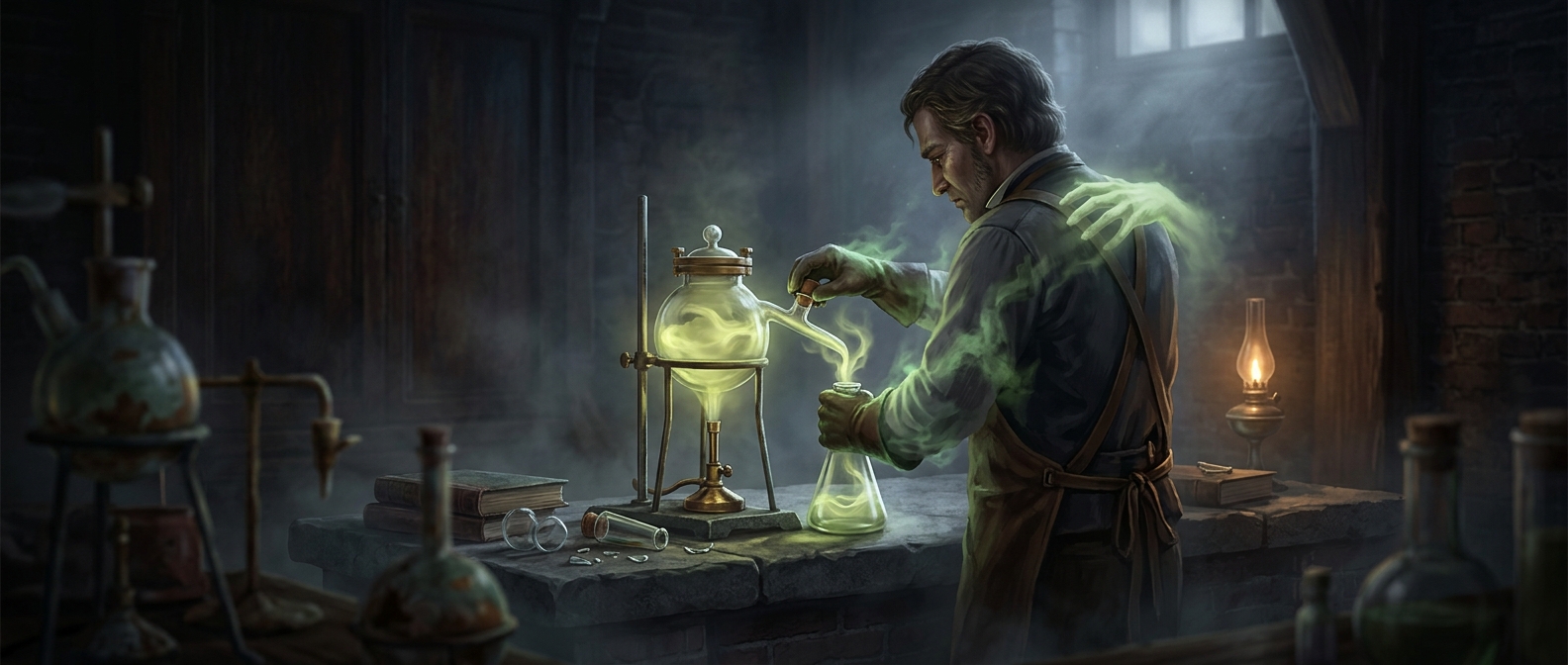
Groundwater supplied the crucial control. A fast neutron is less likely to trigger another uranium fission, or atom-splitting event. As it passed through water, it lost energy and slowed down. These slower neutrons were more effective at setting off additional fissions, which released more neutrons and heat. Water in this role is called a moderator: it changes neutron speed so a chain reaction can sustain itself.
The water became the reactor’s off switch
As fissions heated the rock, the groundwater eventually boiled away. Without enough water to slow the neutrons, the chain reaction faltered and stopped. The rock then cooled; groundwater seeped back into the uranium-rich zone, and the conditions for fission returned. The process could repeat in cycles, rather than run continuously.
That feedback is the striking part of Oklo’s story. Water did not merely surround the ancient reactor—it both enabled the reaction and helped shut it down. Its disappearance removed the moderator; its return restored one.
The reactor could exist because ancient uranium deposits had the right composition and geological setting for a self-sustaining chain reaction. Such a combination is not something ordinary rock produces. At Oklo, however, the surrounding geology created a natural system in which the flow of groundwater governed when nuclear energy was released.