What the “veil” means in Sufi thought
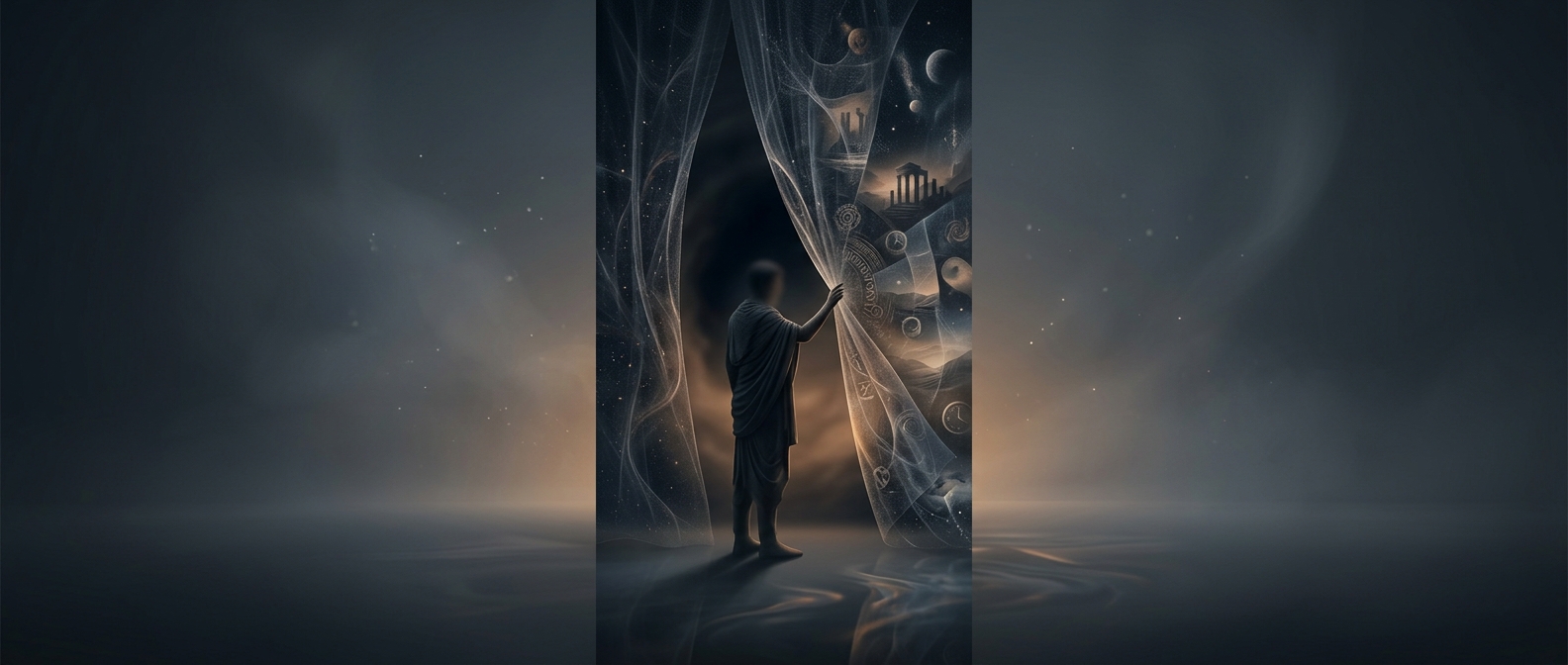
The Arabic word hijab means a covering or barrier. In Sufi writing, it can describe a spiritual obstacle: whatever keeps a person from recognizing God’s presence or seeing reality in light of the divine. This is a metaphor, not necessarily a reference to clothing. The image suggests that truth is not absent; the seeker’s perception is obscured.
The veil may be associated with ordinary distractions, attachment to status or possessions, or an inflated sense of the self. Even religious knowledge or a powerful spiritual experience can become a barrier if someone treats it as a personal achievement rather than a step toward humility. Sufi teachers have described veils in different ways, but the recurring concern is how a person’s habits and assumptions shape what they are able to perceive.
The work of seeing more clearly
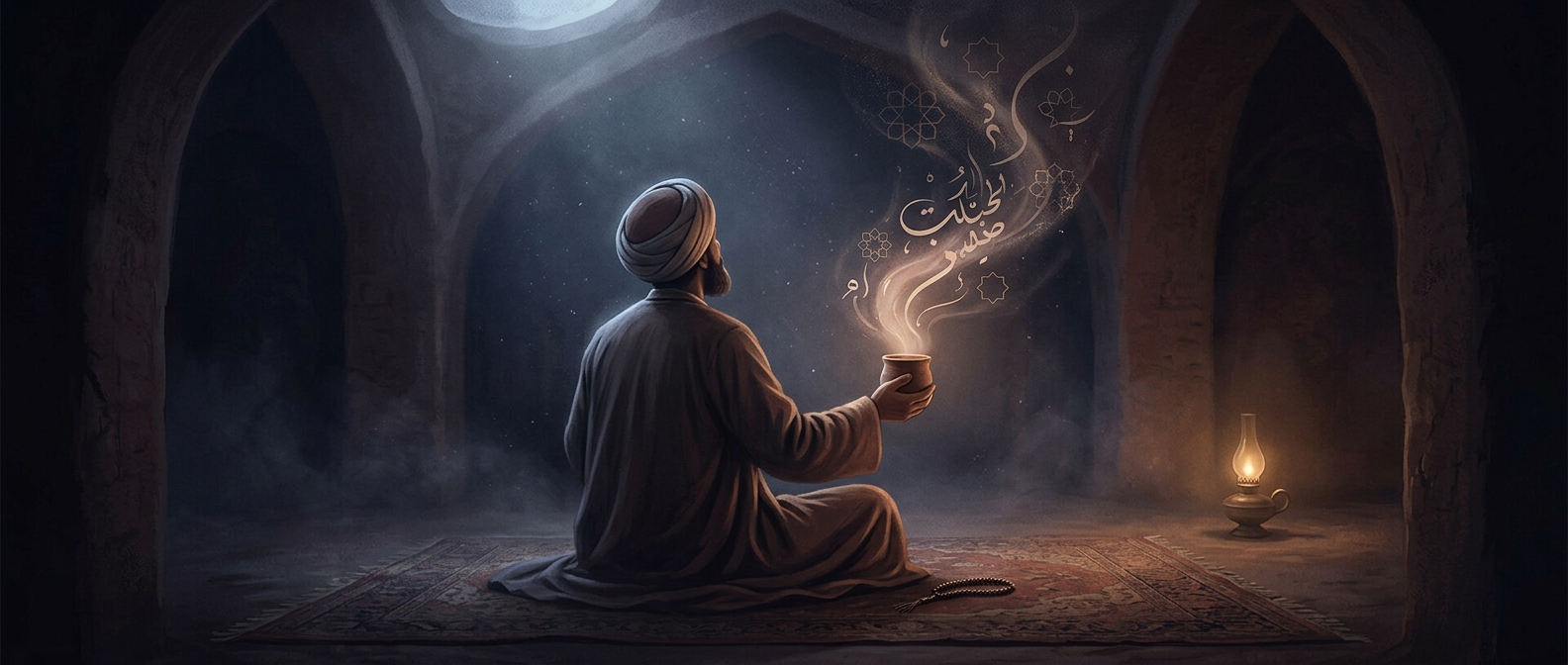
Sufi practice is meant to loosen those habits, not to uncover a hidden fact through a single dramatic revelation. Practices such as remembrance of God, prayer, self-examination, and guidance from a teacher can help redirect attention and discipline the ego. In this context, “seeing beyond” the veil means becoming more receptive to divine reality and less absorbed in the self.
The metaphor also makes spiritual progress a matter of ongoing work. A seeker may recognize one obstacle only to discover another, subtler one. The image’s force lies in that unsettling possibility: what feels like clear understanding may itself be part of what still needs to be seen through.