How a Missed Gesture Becomes a Cover Story
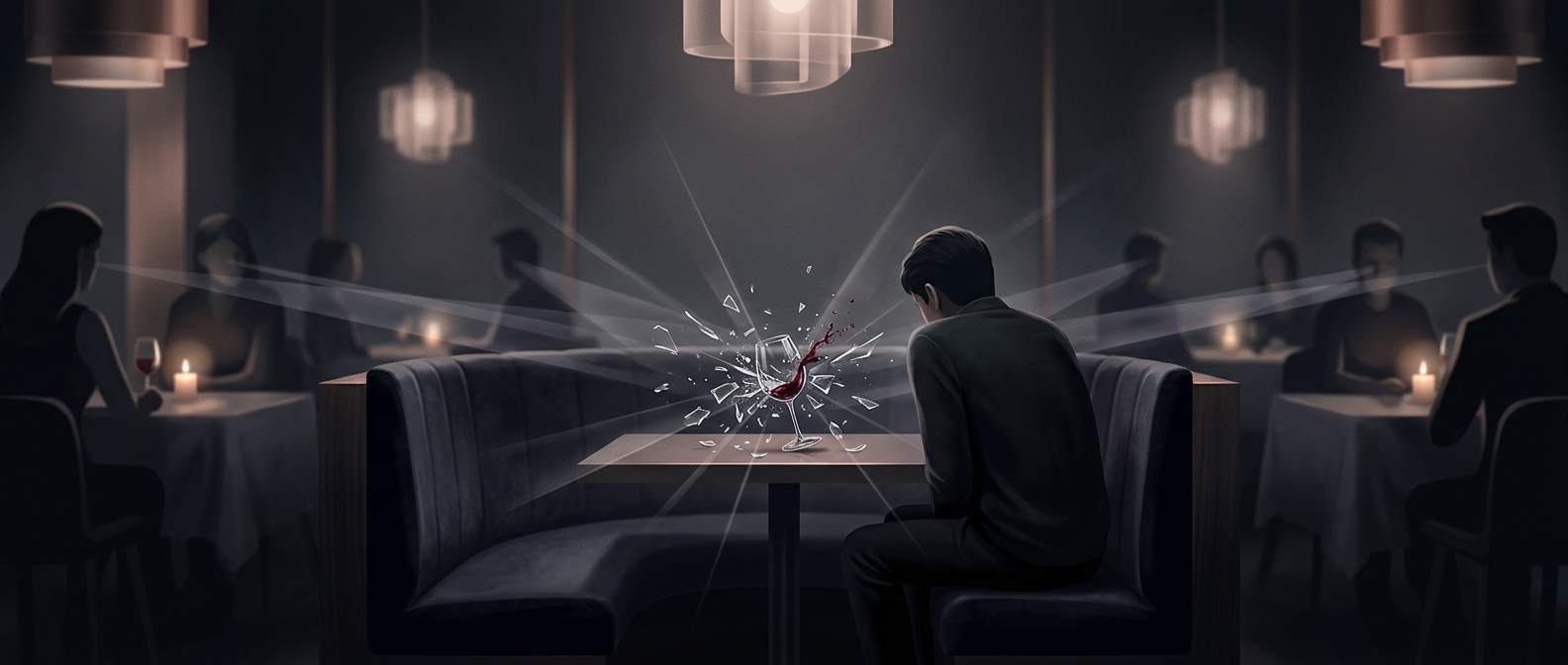
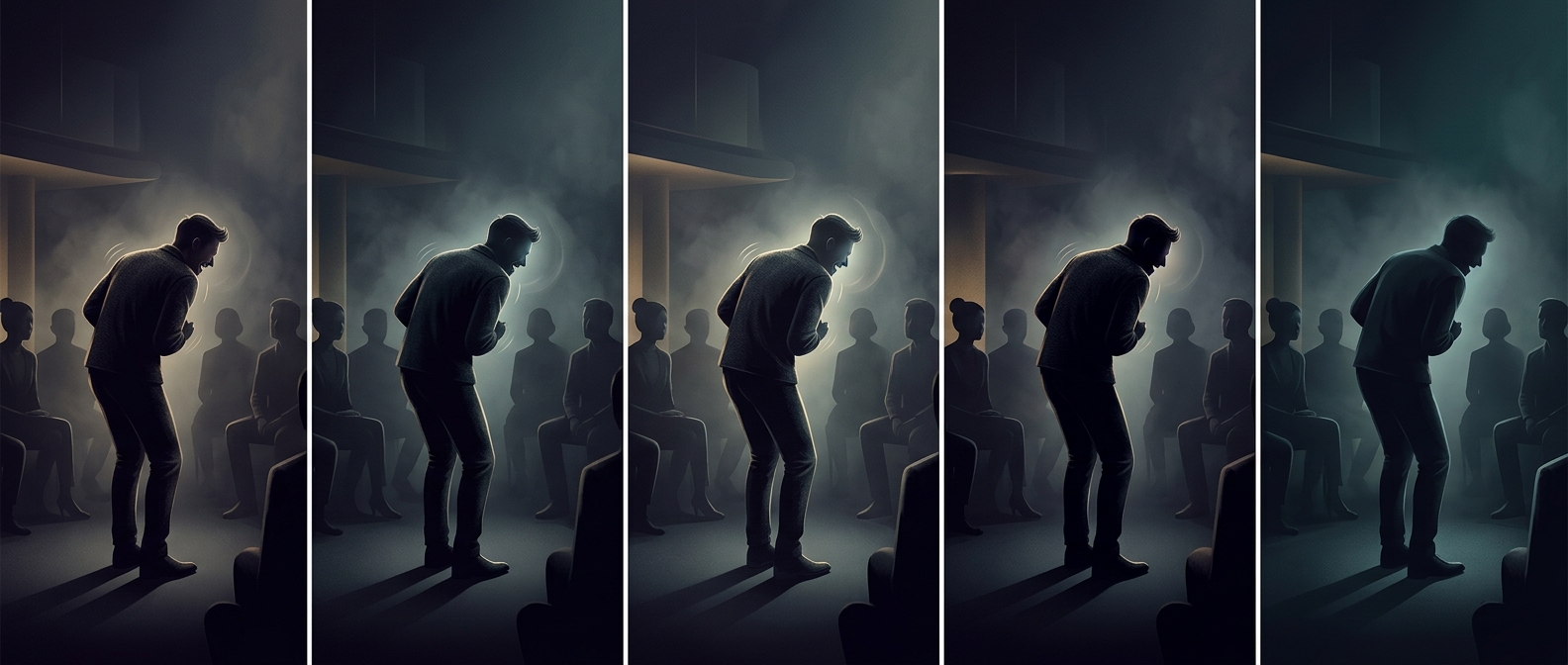
A missed high five is more than a failed hand movement: for a moment, it is a public signal that two people were not in sync. The other person may have missed the cue, been distracted, or simply not seen the raised hand. Whatever the reason, the gesture can leave the person offering it feeling conspicuously exposed.
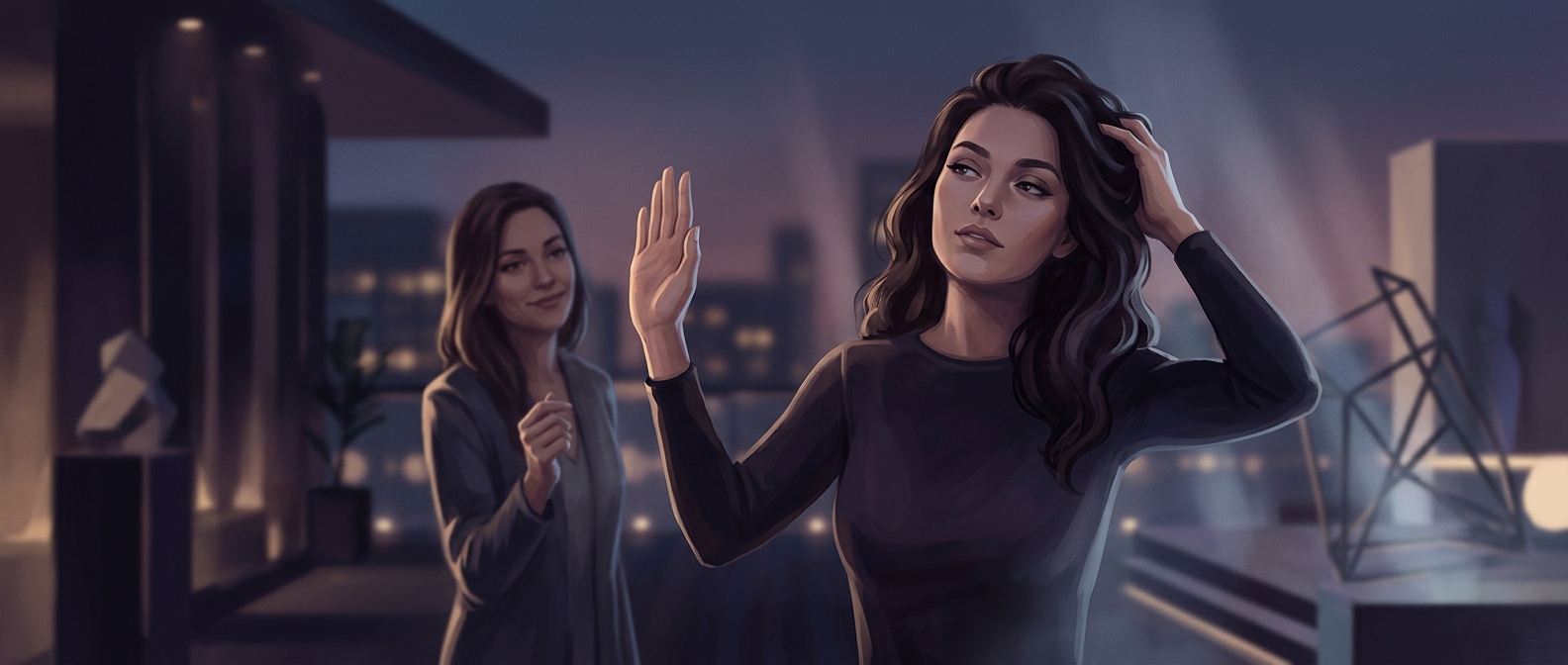
That discomfort comes from self-presentation—the everyday effort to influence how other people interpret our behavior. A hand left hanging can look like a small social mistake. Moving it on to smooth your hair gives the motion another explanation, one that does not depend on the other person responding.
Why the pivot can work
People usually infer intent from context, not from a single movement in isolation. If the hand travels naturally from the failed high five to the head, a bystander may read the whole sequence as an ordinary grooming gesture. The new action gives observers a plausible story to attach to the movement, making the awkward interpretation less obvious.
It is not a literal erasure. Anyone who saw the attempted high five may still recognize what happened, and a sudden, exaggerated hair adjustment could draw more attention to it. The cover works best when the follow-up is small and fluid enough to blend into the original motion.
The awkward beat is the point
This kind of recovery is a miniature form of social repair: instead of explaining the mistake aloud, someone changes what the visible action seems to mean. The hand has already gone up; the only available move is to give it somewhere else to go. That quick shift can restore a little composure—not by changing the past, but by making the moment easier for everyone to move past.