A living map of the Norse cosmos
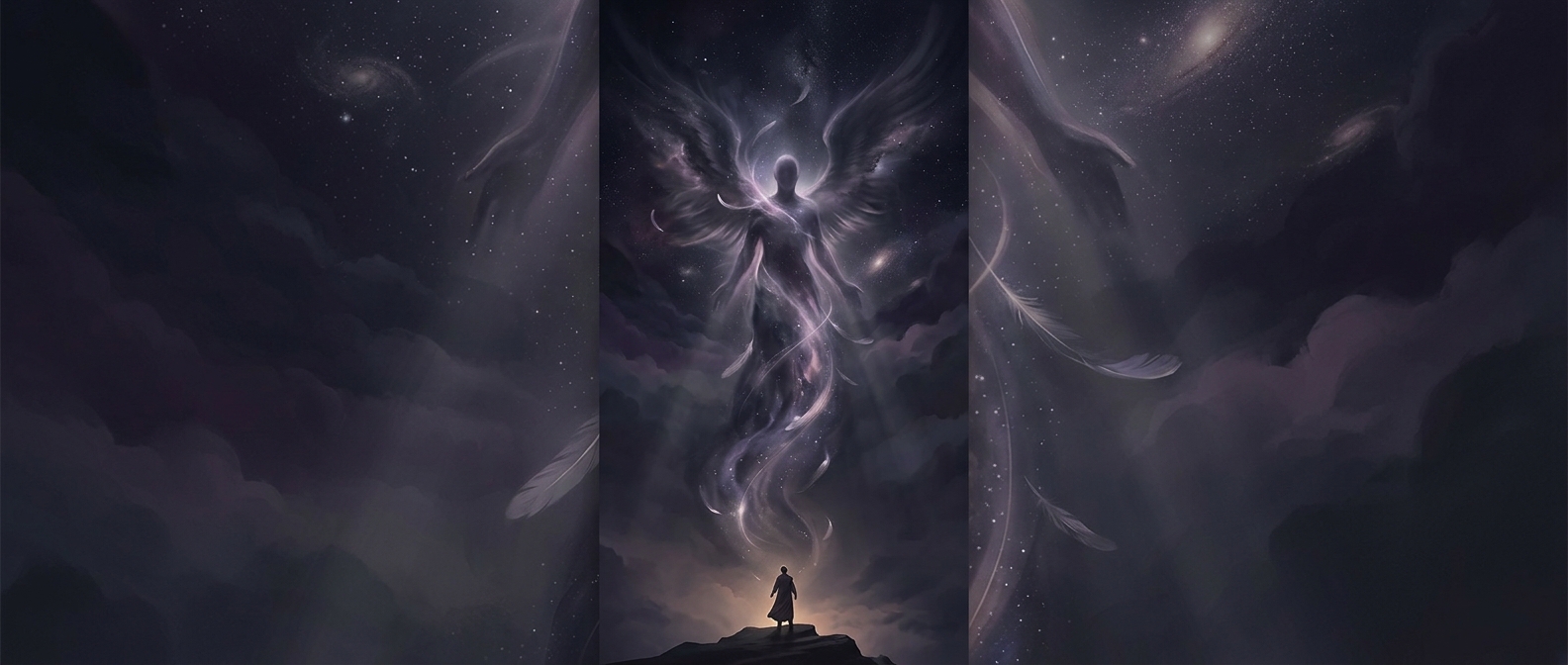
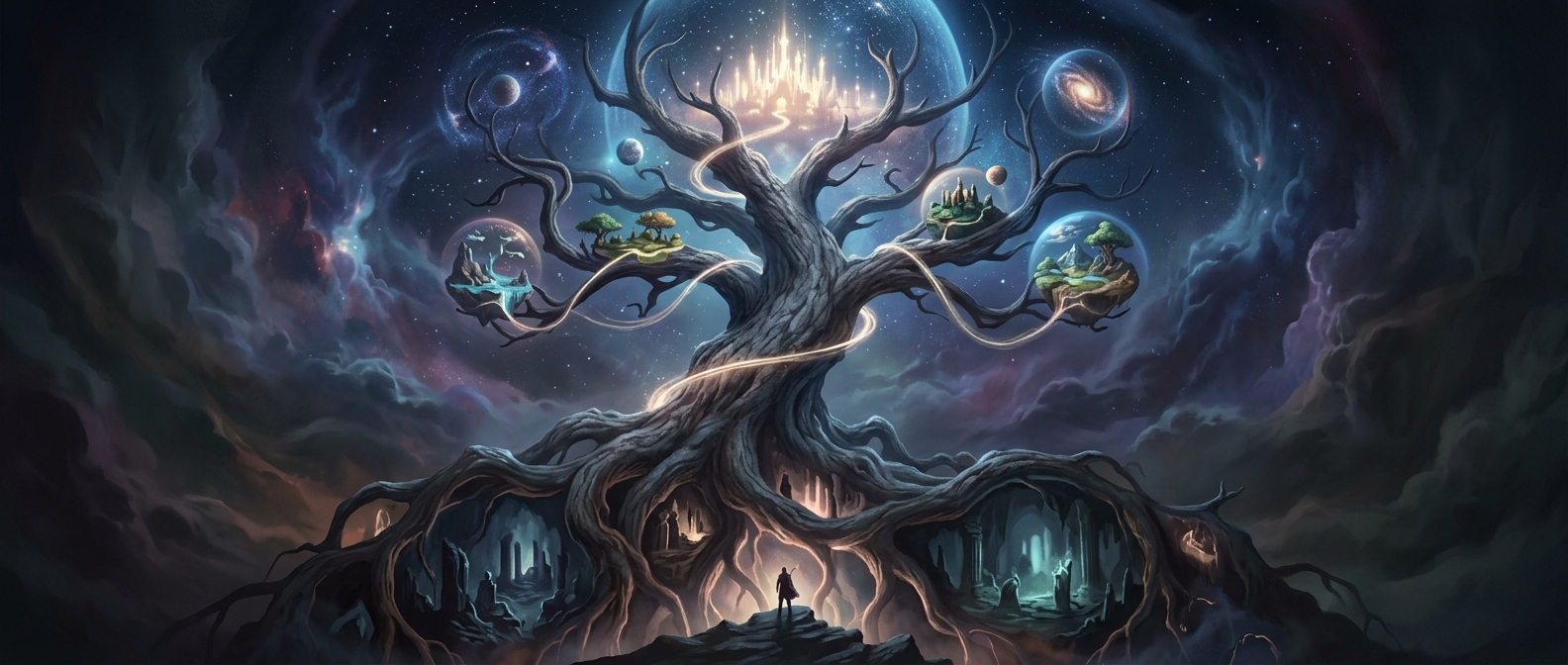
Yggdrasil was more than a route between places: it gave the Norse mythic universe a shape. Instead of imagining each realm as a separate destination, the tree made them parts of one living structure. Its roots reached into distant regions, while its branches rose above them, so events in one part of the cosmos could matter to the whole.
The surviving Norse poems and stories do not offer a single, tidy map of every realm. They do, however, associate the tree with wells and other significant places, including the well of Urðr, where the Norns—figures linked with fate—are said to care for it. The image suggests that the world’s order is not simply fixed: it must be tended.
A cosmos under strain
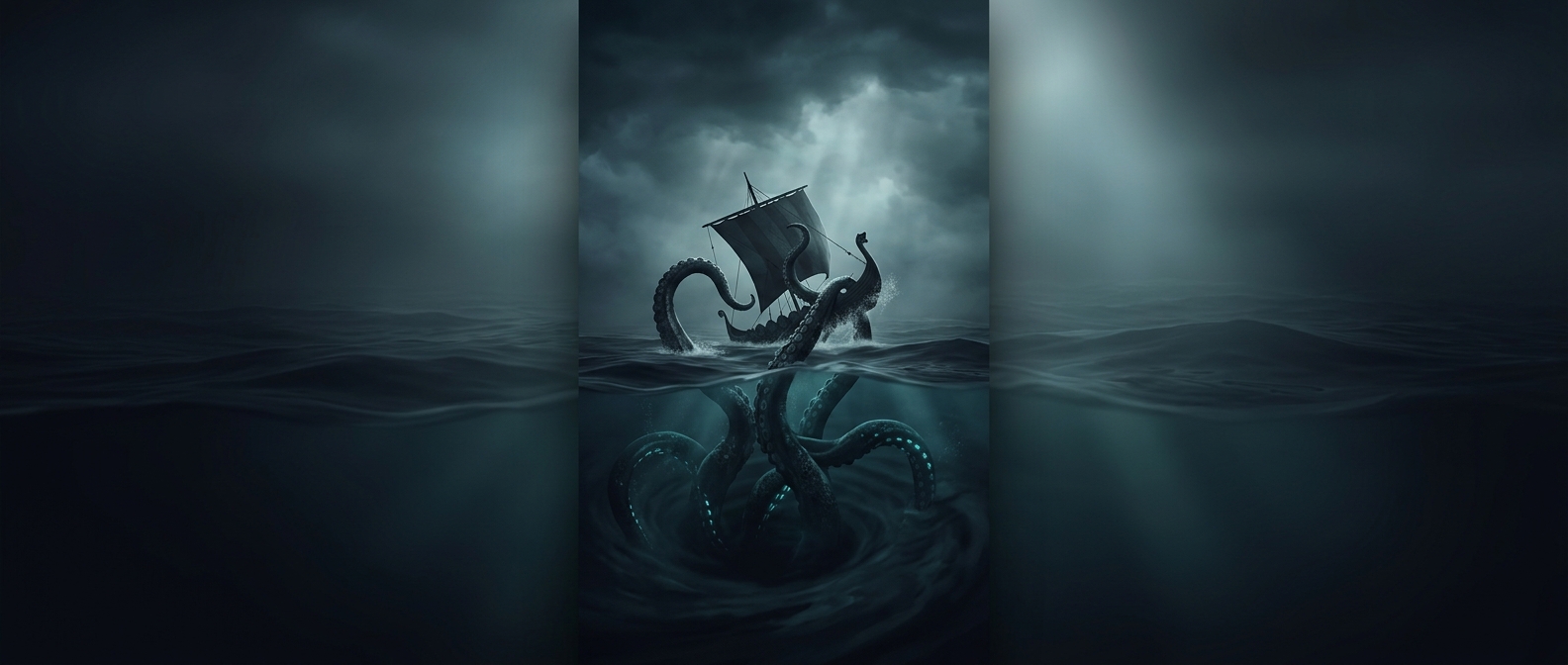
Yggdrasil is also vulnerable. In the myths, creatures live around it, and the dragon Níðhöggr gnaws at one of its roots. The tree persists despite this damage, making the universe seem enduring but not invulnerable. Its stability depends on connections that are continually exposed to conflict and decay.
That is what makes the tree a powerful image: it joins cosmic scale to ordinary ideas of dependence. A tree can shelter life, draw nourishment from hidden roots, and still suffer harm. In Norse myth, those familiar features turn the structure of existence into something both interconnected and alive.