A victory that turned into a fatal wound
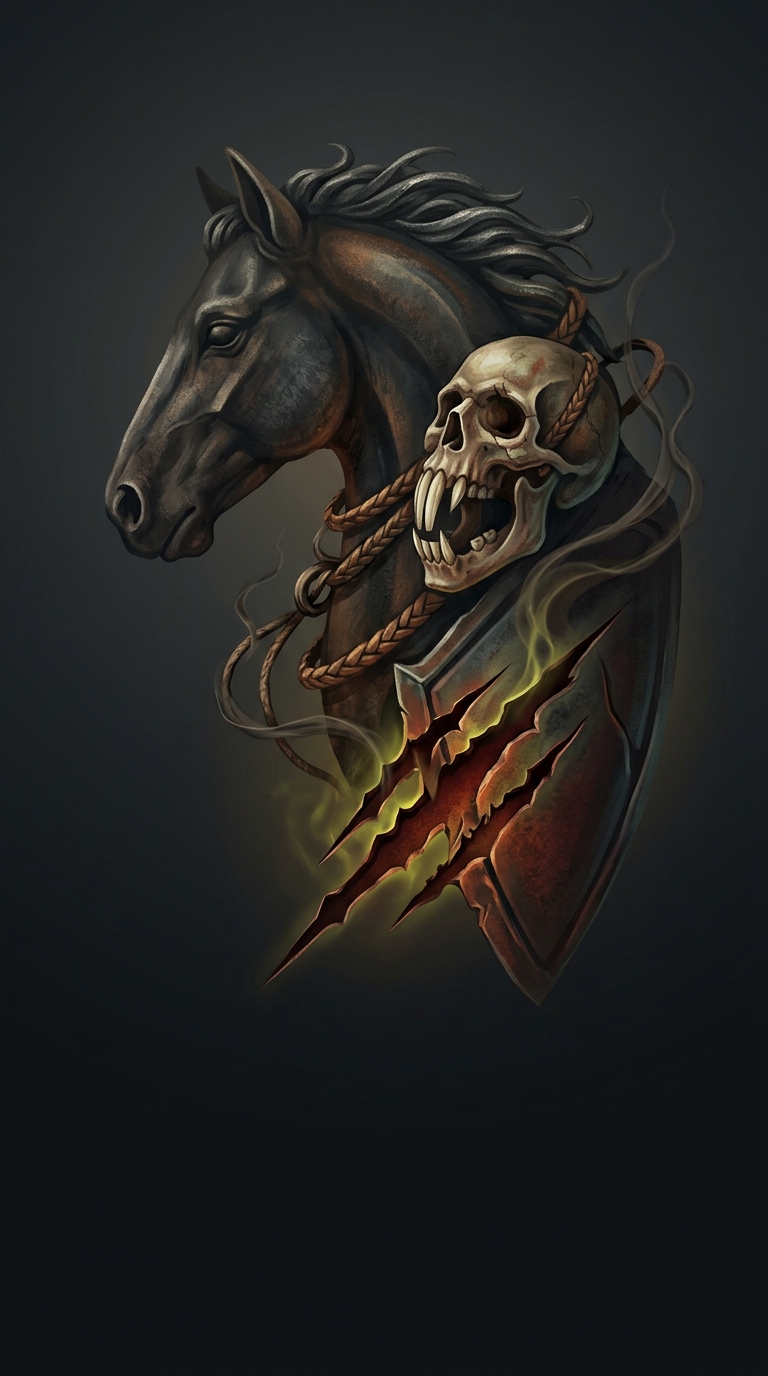
The story of Sigurd the Mighty survives as a compact lesson in how easily a battlefield triumph could become a personal hazard. In the medieval account, the Orkney earl defeats Máel Brigte, remembered by the nickname “the Bucktoothed,” and carries his enemy’s severed head on his saddle. The head’s teeth scrape Sigurd’s leg as he rides. What follows is not another battle: the wound becomes infected, and Sigurd dies.
How a small scrape could become dangerous
A tooth need not make a deep cut to break the skin. Once the skin’s protective barrier is breached, bacteria can enter the underlying tissue. In an era without modern antibiotics, an infection that spread could become life-threatening, even if the original wound seemed minor. The account does not describe the medical details, but its causal chain is straightforward: contact with the teeth, damaged skin, infection, death.
The danger carried home from the battlefield
The tale’s grim irony is that Sigurd’s victory supplied the instrument of his injury. The head was not merely a trophy; tied close to his body, it could still cause harm. That detail makes the episode memorable because it turns a familiar image of triumph into a practical risk: the defeated enemy’s remains could be dangerous even after the fighting was over.