Why a Camera-Ready Dish May Be a Stand-In
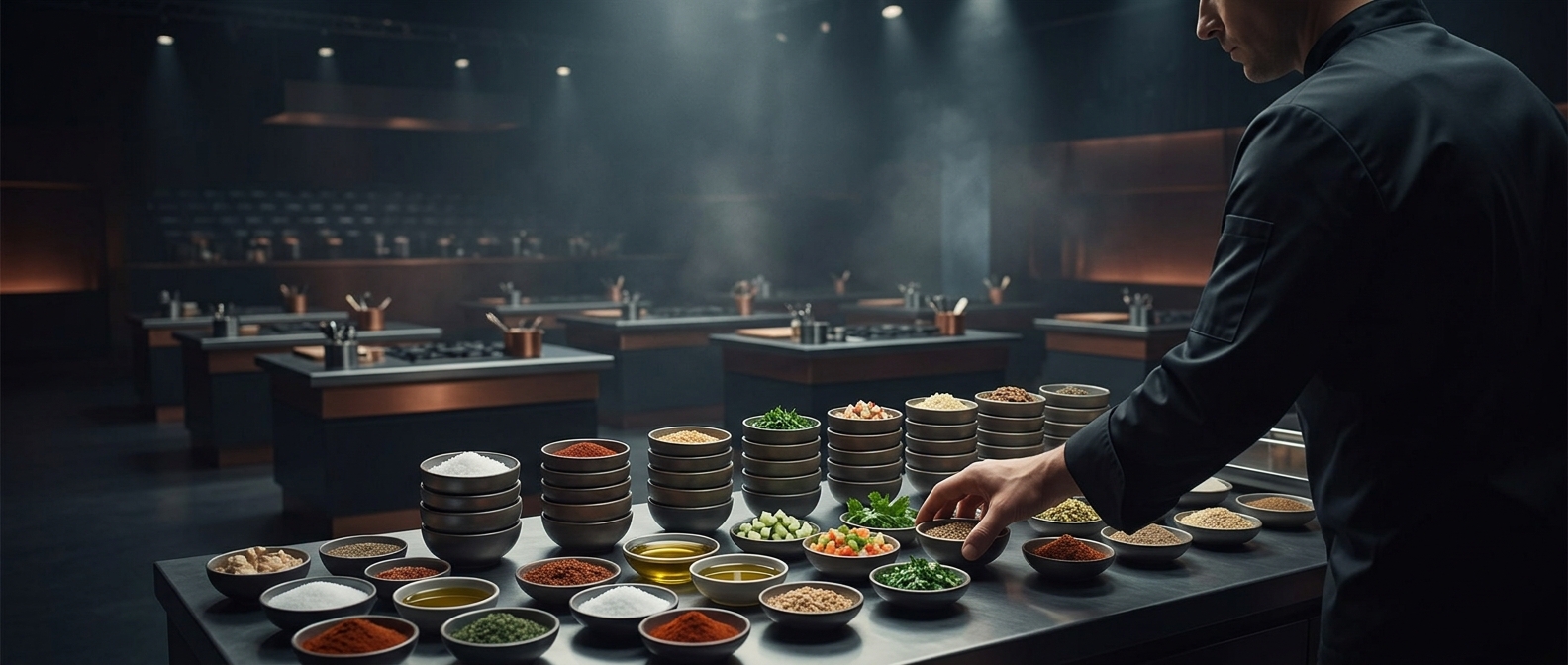
A cooking segment has to work as both a recipe demonstration and a visual production. Those goals can pull in different directions: the dish being cooked may need to be stirred, sliced, tasted, or left under bright lights while the crew records explanations and close-ups. By the time the segment reaches its final shot, the original food may look less fresh, have been partly eaten, or no longer be ready to present neatly.
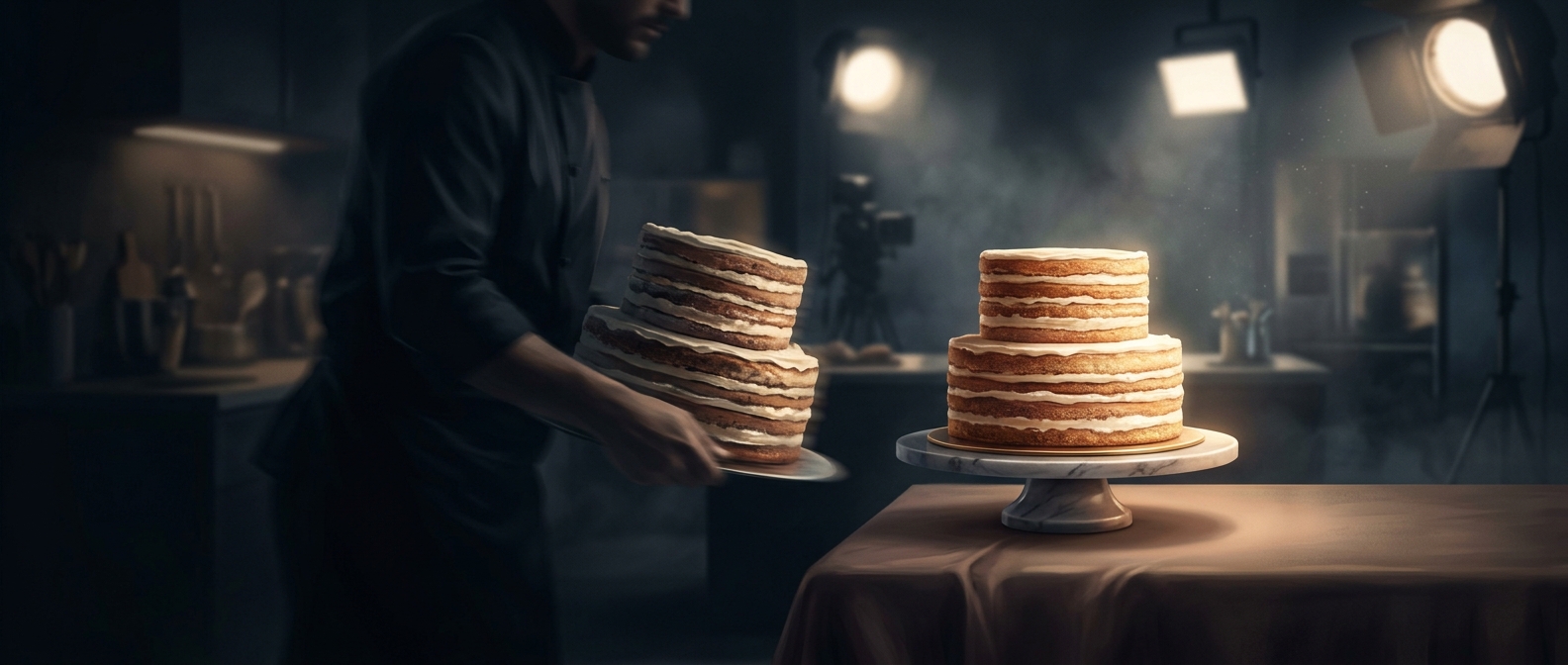
A separately prepared plate gives the crew another chance to show the intended result. It can be brought in for the final reveal, where the camera needs a clean view of the finished dish rather than the history of everything that happened during filming.
Matching the Food to the Moment
The backup is useful only if it fits the story viewers have just watched. Its color, arrangement, and visible ingredients need to make sense as the outcome of the demonstrated recipe. Food stylists and production teams may adjust how a plate is arranged so its defining features read clearly on camera; the aim is not necessarily to show the exact same physical portion that appeared during cooking.
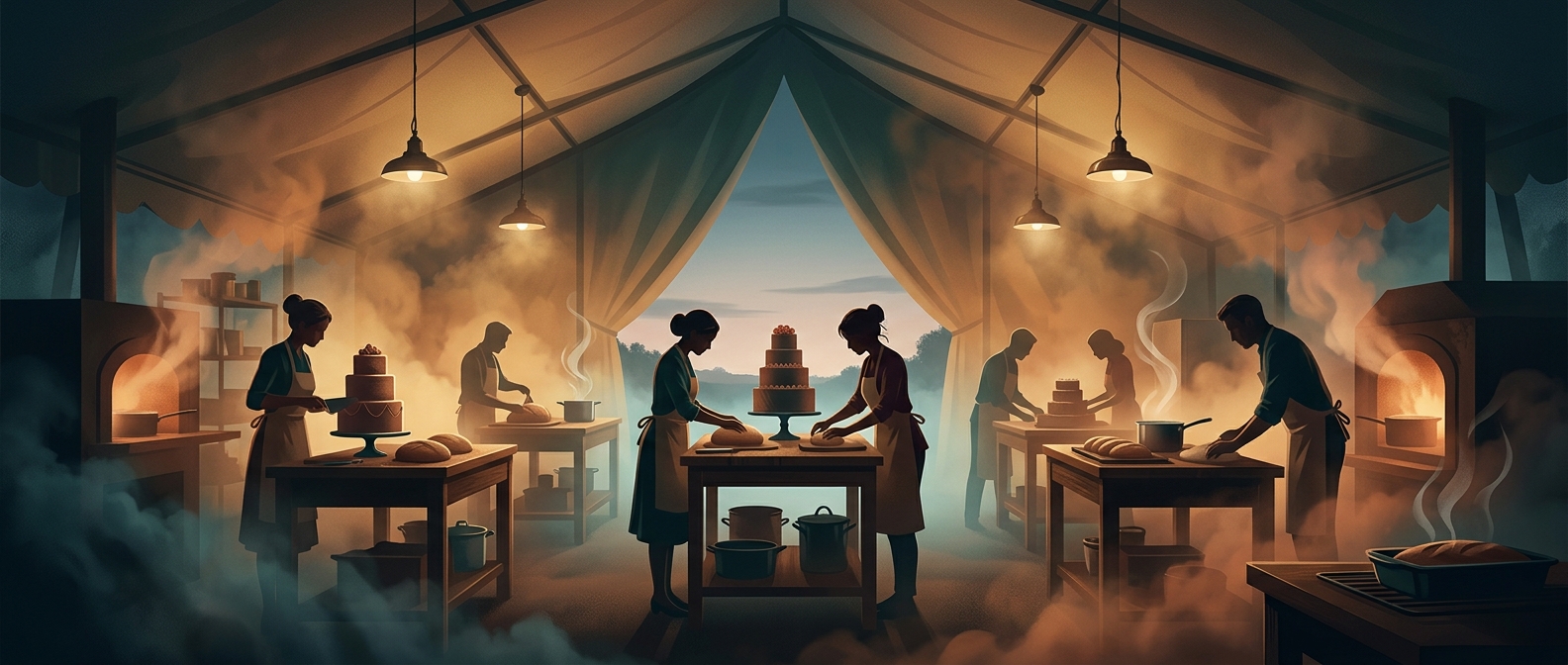
That separation also gives the crew flexibility. A dish that takes time to cook can be prepared in advance, while the on-camera cooking can be filmed in manageable sections. If a step needs repeating or a shot has to be retaken, the final plate does not have to wait for the entire process to happen again.
What the Finished Shot Really Shows
The reveal is therefore best understood as a picture of the intended result, not always as documentary proof that the exact food in the frame traveled through every preceding step. The demonstration explains how the dish is made; the backup plate helps viewers see what it should look like when served. That polished roast may be the most accurate visual of the recipe precisely because it was kept out of the hours of filming that produced the segment.