Why a Bottle Episode Feels So Pressurized
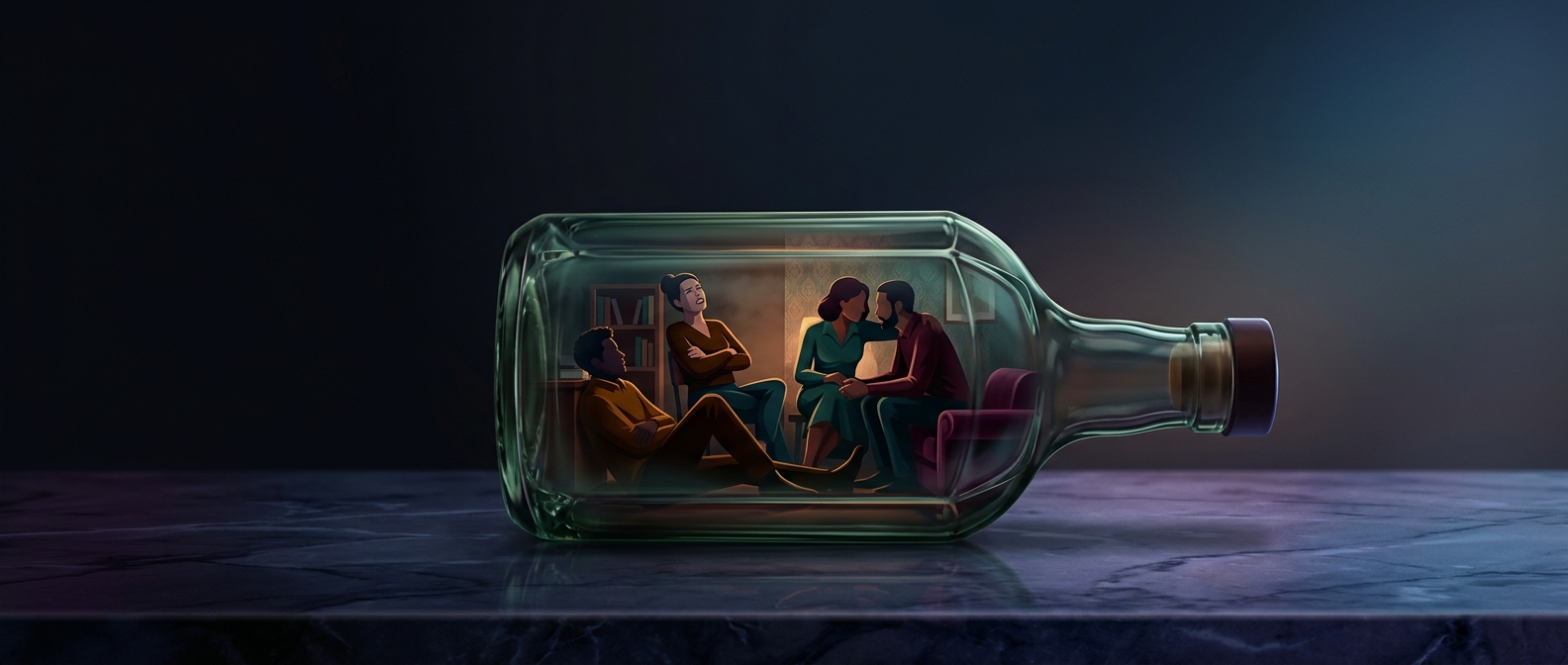
A bottle episode strips away the usual escape routes: no new location to reset the mood, no parade of side characters, and often no plot detour elsewhere. With the cast gathered in one contained space, a small disagreement has nowhere to dissipate. Someone keeps interrupting; someone else cannot leave without making a point. The room becomes a pressure chamber for relationships the series may usually spread across several storylines.
That pressure changes what the writing has to do. Instead of relying on action or spectacle, the episode must make attention itself interesting: who speaks, who stays silent, who changes the subject, and who finally says what everyone has been avoiding. A locked door or shared task can provide a practical reason for people to remain together, but the stronger engine is often emotional—a conflict that makes leaving feel like surrender.
The Constraint Is Part of the Craft
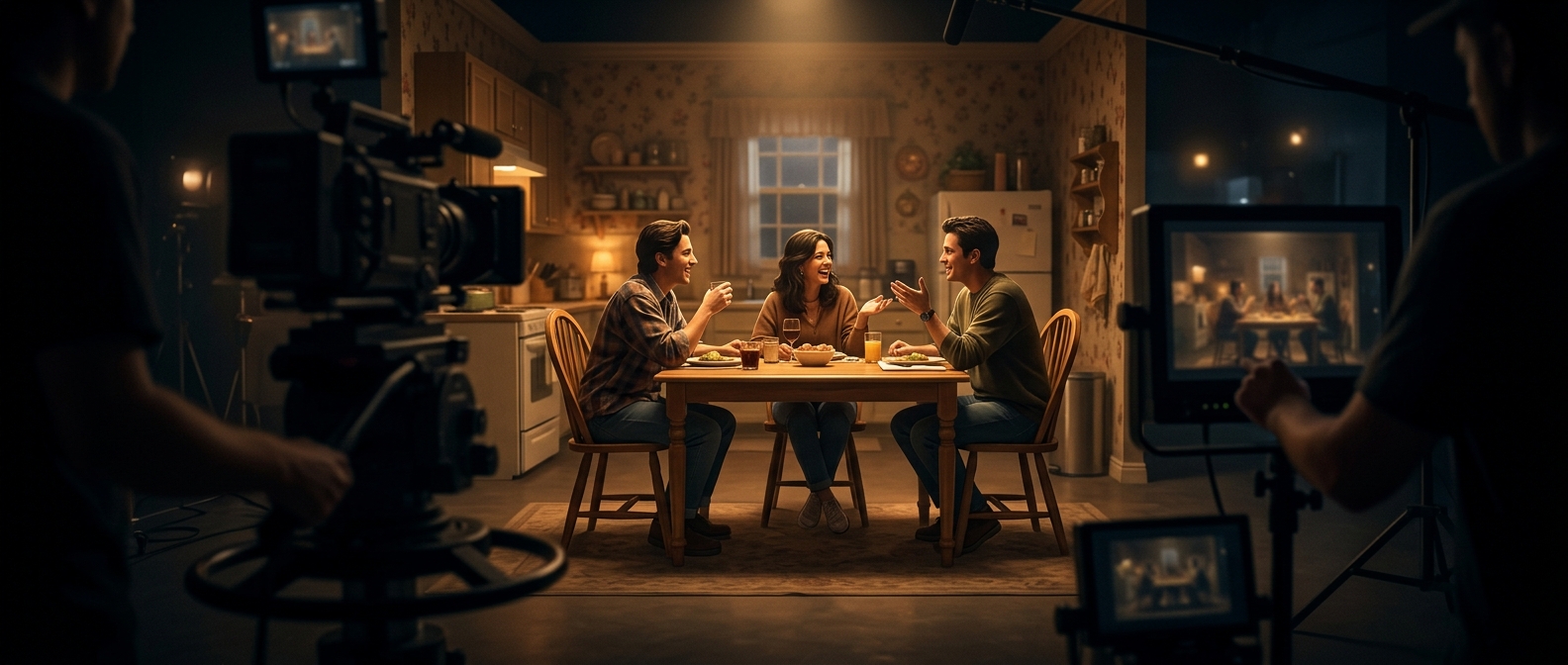
The format also gives a production a chance to concentrate its resources. A familiar set means less work moving crew and equipment between locations, while a smaller cast can simplify scheduling. Those savings are not automatic: a contained episode still needs careful staging, and long stretches of conversation can feel static if the scene’s power balance never shifts.
So the room has to keep changing even when its walls do not. A character gains the group’s attention; an alliance breaks; a supposedly minor argument exposes an older wound. When that progression works, the audience stops waiting for the scene to end and starts noticing how impossible it has become for anyone to leave unchanged.