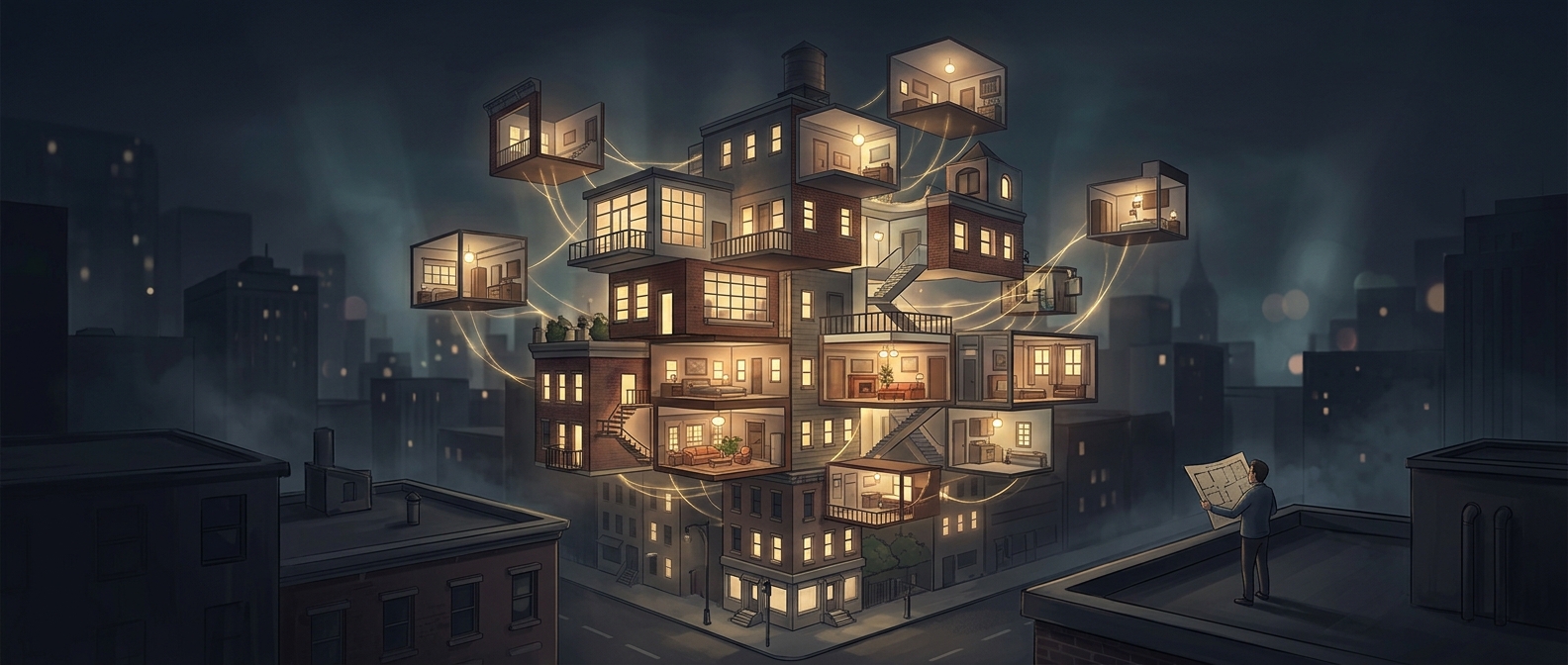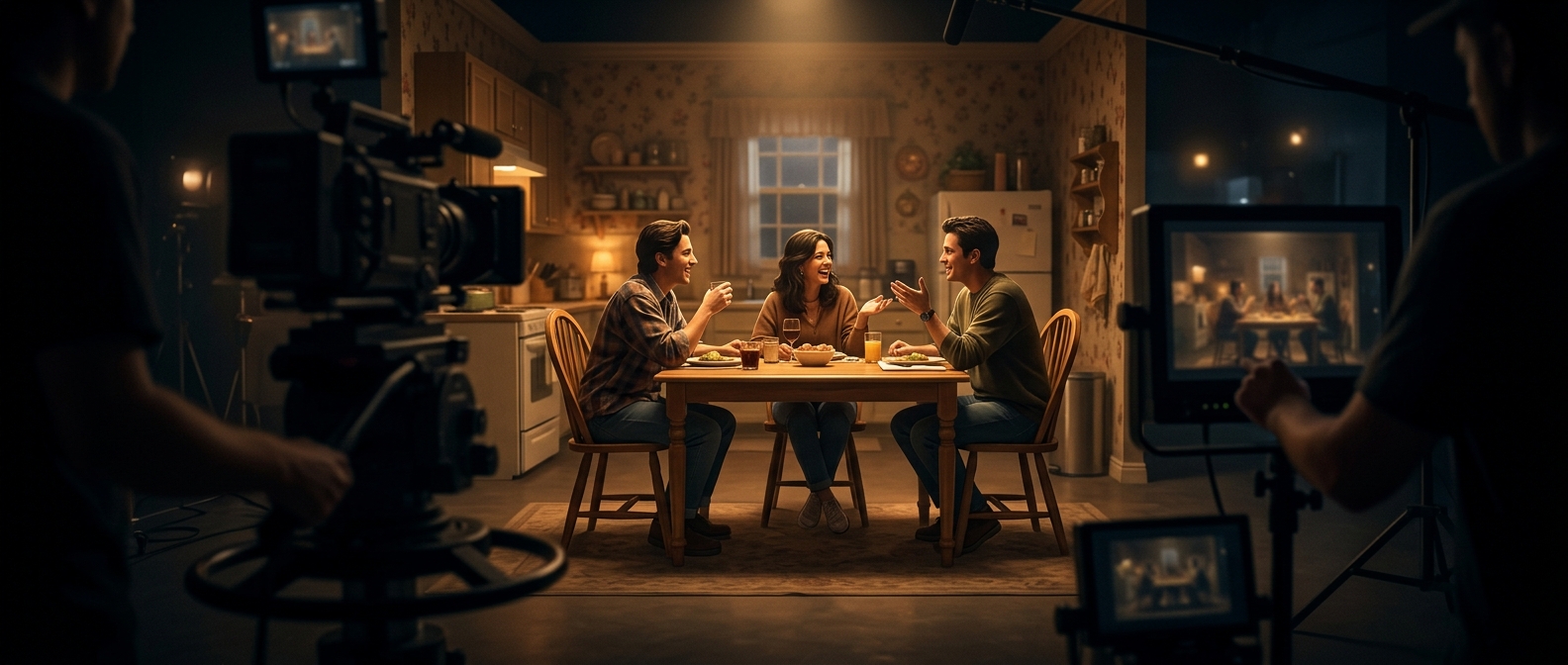
The apartment is part of the show’s machinery
A television home has to do more than look plausible. It must give characters room to argue, reunite, overhear one another, and host the next scene. A spacious apartment with a clear living area and a memorable view can serve as a recurring stage—one the audience recognizes instantly, without a new location to learn each week.
That practical need can outweigh the rent such a place would command in real life. Sets are designed for cameras and crews, so rooms may be wider or more open than ordinary apartments. The layout also needs to support several angles and let performers move through a scene without furniture or walls getting in the way. The result can feel less like a typical home than a small theater dressed as one.
A job title does a lot of storytelling
Writers often give characters professions that suggest success without making work the focus of the series. “Architect” or “consultant” signals adult competence and financial independence, while leaving the character free to be at home—or at a café—when the plot needs them. The job need not be shown in enough detail to account for every bill.
Shows sometimes add a story explanation, such as roommates sharing costs, a family connection, or a lucky housing arrangement. But the deeper explanation is usually structural: the home is built to make scenes happen, and the occupation is built to make the character’s life feel credible at a glance. The penthouse is both a fantasy of city living and a highly efficient workplace for the show itself.