A boundary that records a long absence
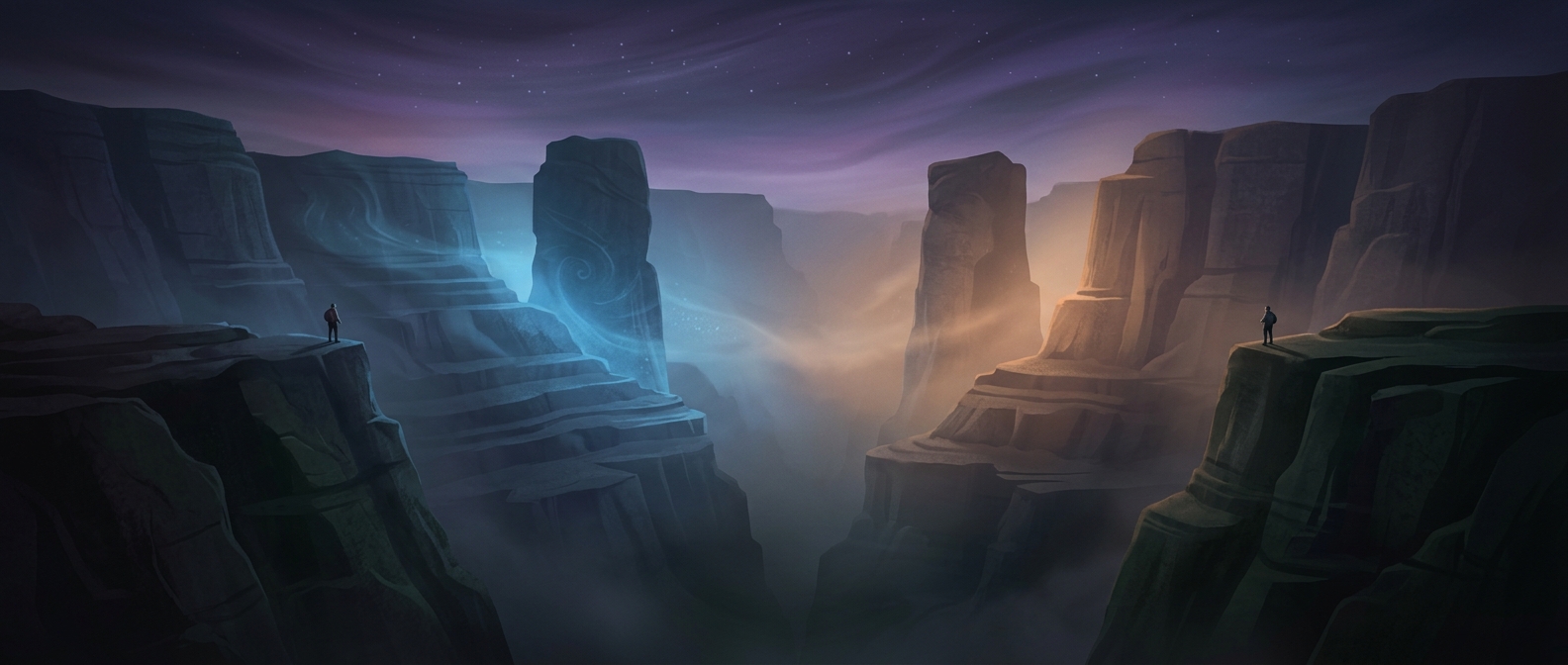
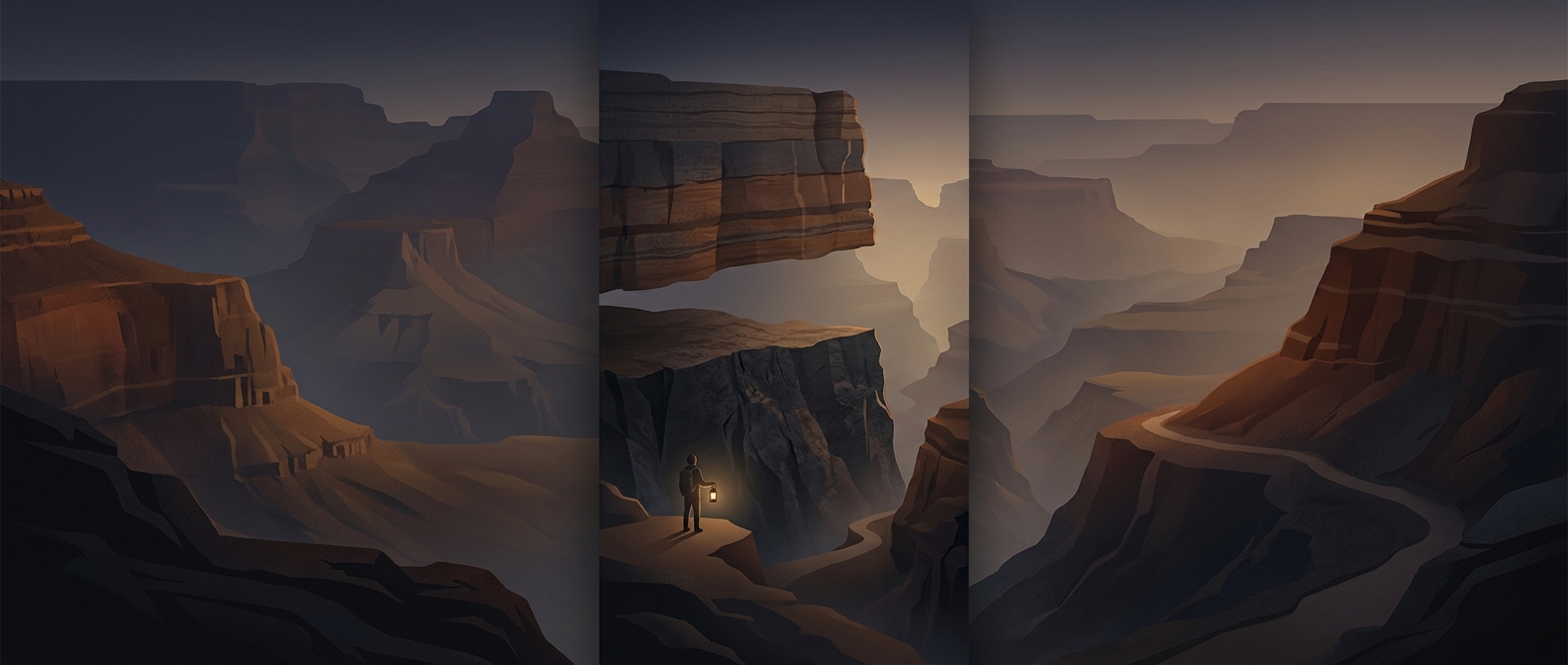
In the Grand Canyon, the Great Unconformity is not a crack or a single missing layer. It is a boundary where much younger sedimentary rock rests on far older rock, with an immense stretch of geological time unrepresented between them. Near the canyon’s base, the Tapeats Sandstone—laid down roughly 500 million years ago—overlies rocks that can be more than a billion years old.
The missing interval is called “missing” because the surviving rocks preserve no continuous sequence for it there. It does not mean that nothing happened. Rock may have formed and later been worn away, or never been deposited at that spot in the first place.
How a gap forms in the rock record
Rock layers accumulate when sediments settle and are buried. For those layers to disappear, they must later be exposed and eroded. In the canyon, older rocks were uplifted or otherwise brought within reach of erosion; over vast spans of time, water and other forces stripped away rock. Much later, a changing landscape allowed sand and other sediment to settle across the eroded surface and eventually harden into new rock.
That surface is an unconformity: a geological boundary marking a break in the record, often created by erosion or by a long pause in deposition. The layers above it can look orderly even though the history beneath them has been interrupted.
A visible seam with an invisible history
The boundary matters because it preserves evidence of two very different chapters—the ancient rocks below and the younger deposits above—while the events between them remain incomplete. Along the canyon walls, the seam can be traced as a real contact between rock units, but no cliff face can show the vanished layers themselves. The landscape displays the result of a long geological pause, not the pause’s full story.