How a Spider’s Legs Use Fluid Pressure
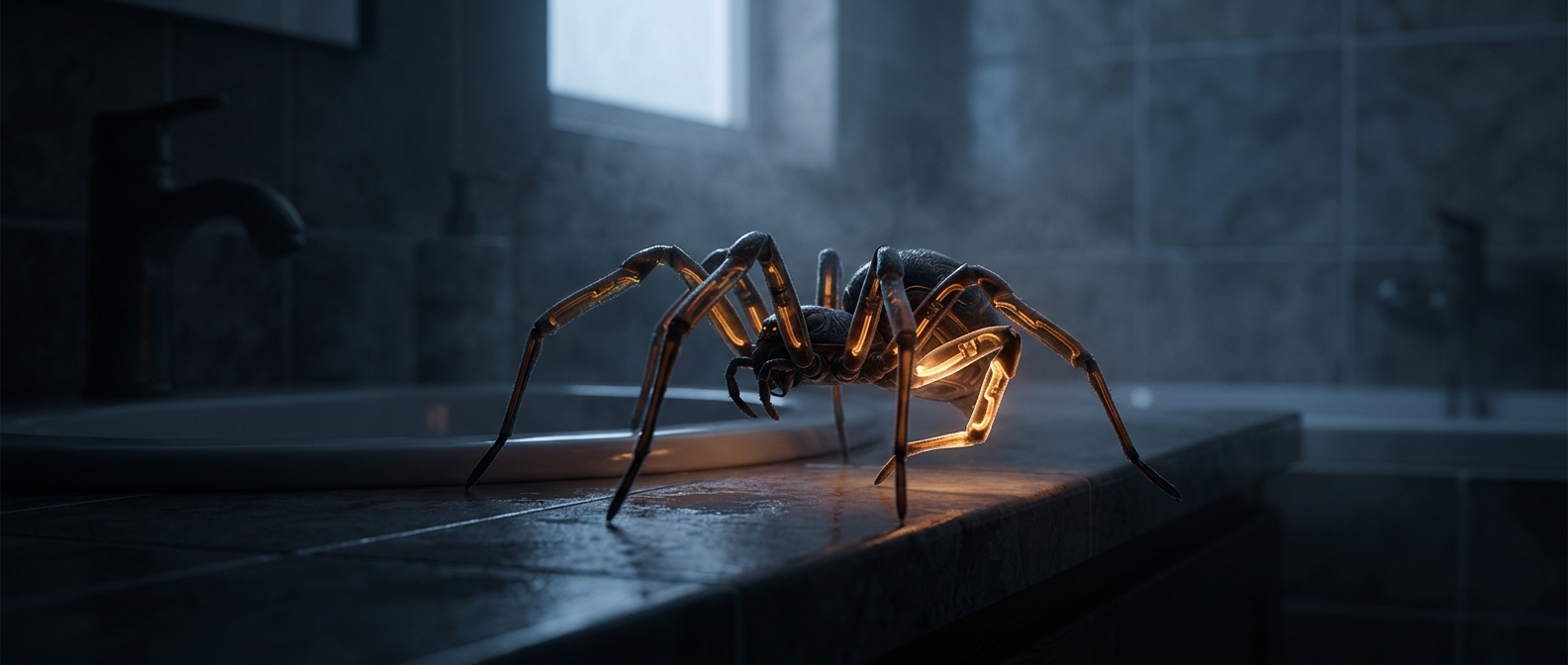
A spider’s leg is not powered by muscles arranged like a human’s, with one muscle pulling a joint open and another pulling it closed. Instead, muscles flex the leg at its joints, while pressurized body fluid helps extend it. The fluid is hemolymph, the circulatory fluid that carries substances through a spider’s body.
A Small Hydraulic System in Each Step
When a spider raises pressure in its body, hemolymph pushes against parts of the leg, helping straighten joints that would otherwise be harder to extend. Muscles still matter: they bend the legs, stabilize them, and control movement. The division of labor is what makes the arrangement notable—muscle supplies much of the pulling force, while pressure supplies an outward push.
The mechanism also shapes how a spider moves. Because extension depends partly on pressure rather than on a matching set of muscles at every joint, the legs can straighten quickly as the spider shifts its body fluid and coordinates the joints. It is not a separate pump in each leg; pressure in the body’s fluid system contributes to the motion.
Why Dead Spiders’ Legs Curl
After death, the spider can no longer maintain the pressure and muscular control that help hold its legs extended. The joints flex, and the legs draw inward. That familiar curled posture is a visible consequence of the same design that helps a living spider extend its limbs: when the hydraulic push fades, flexion wins.