Make the alternative to driving practical
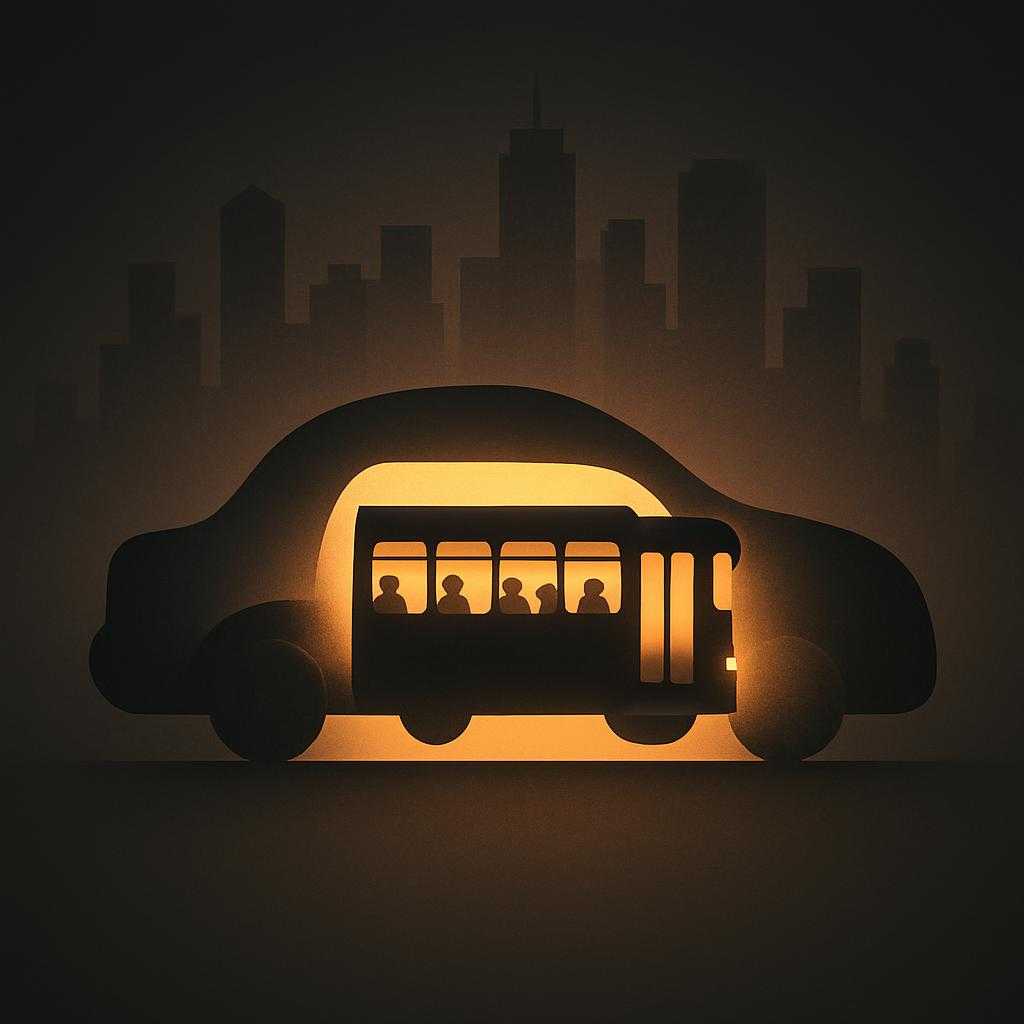
The most powerful shift is usually not a single new road or transit line. It is making everyday trips possible without a car: frequent, dependable public transportation connected to walkable neighborhoods where homes, jobs, shops, and services are close together.
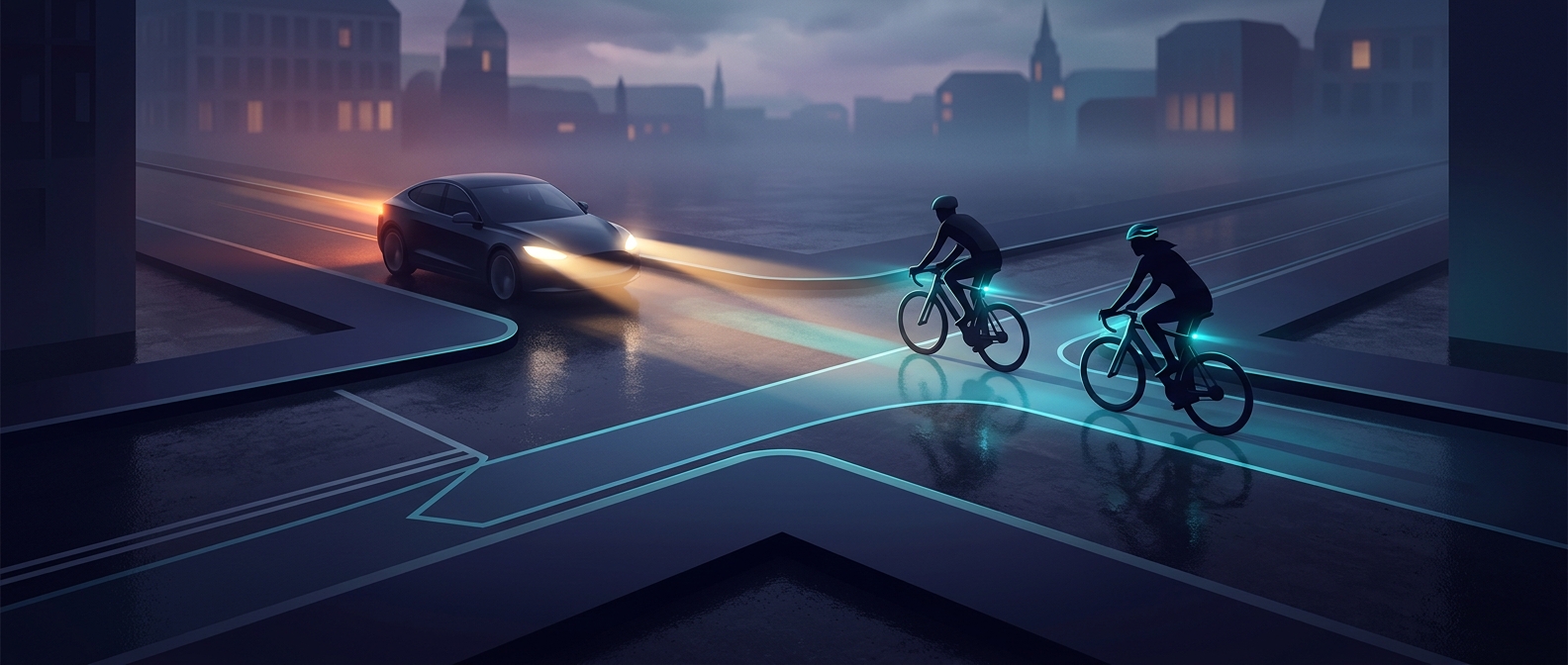
That combination changes the decision people face each morning. A bus that comes often and connects directly to useful destinations can compete with driving; a stop surrounded by distant parking lots and separated by unsafe roads may not. Likewise, nearby destinations make walking or cycling realistic for short trips. People are more likely to leave the car at home when the whole trip—not just one piece of it—works without one.
Why adding lanes often falls short
Widening a congested road can make driving faster at first. But the extra capacity also makes some trips more appealing, and people may change routes, travel at different times, or drive trips they previously avoided. This response, often called induced demand, can fill the new space and bring congestion back. More lanes can also make crossings longer and neighborhoods harder to reach on foot.
The city has to shape both service and distance
Transit and land use reinforce each other. More homes and destinations near useful routes give transit a larger pool of potential riders; dependable service gives residents more reason to choose those locations and travel without a car. The practical implication is that a frequent route through a spread-out area may have limited effect unless development and safe walking access support it. The biggest change comes when a car-free trip is not an exception, but an easy option for ordinary errands and commutes.