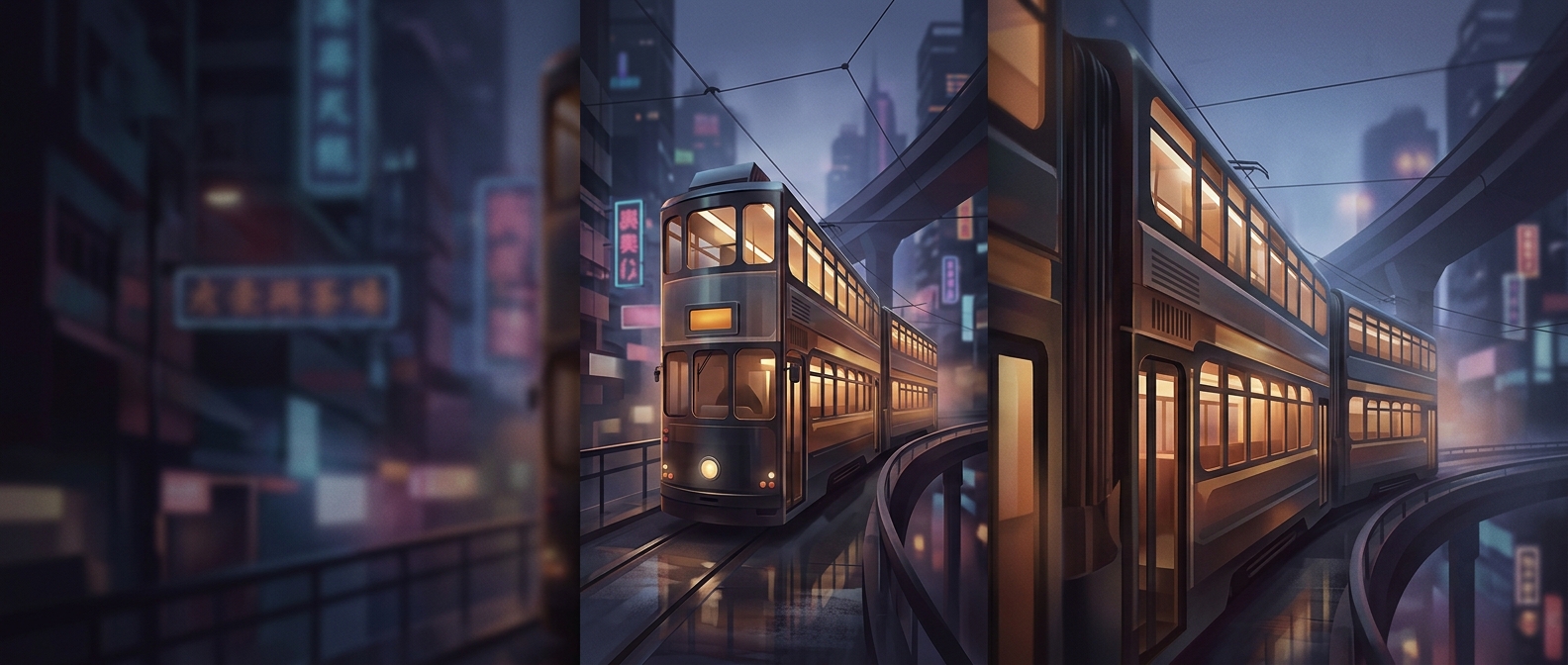
The tram determines where the turn begins
On many Melbourne streets, tram tracks run down the middle of the road, and cars turning right would have to cross those tracks while waiting for a gap in oncoming traffic. That can leave a car stopped in the tram’s path. A hook turn changes where the driver waits: instead of moving into the center to prepare for a right turn, the car stays near the left curb.
The maneuver is called a hook turn because the car travels forward through the intersection, then bends right from the far side. At a marked intersection, the driver signals and moves into the designated waiting area on the left, keeping clear of tram tracks and through traffic.
The signal change is the cue
The driver waits there until the traffic lights for the street being entered turn green. Then the car crosses the intersection and completes the right turn. The turn therefore happens in two stages: first the car reaches its waiting position, then it turns when traffic on the cross street gets the go-ahead.
That timing is the key to the system. A car does not have to sit across the tram rails while its driver judges a gap in oncoming traffic. Trams can continue through the intersection, and the waiting car uses a signal phase that would otherwise serve traffic moving along the street it is entering.
A local solution with a visible tradeoff
To a visitor, turning right from the left can look like a mistake. In practice, the marked waiting area and signal sequence make it a deliberate way to manage conflicting movements in a tight intersection. It asks drivers to follow an unfamiliar sequence in exchange for keeping a stopped car out of the tram’s route.
The memorable part is that the right turn begins on the opposite side of the road—not because the destination has changed, but because the tram needs the space where a turning car would ordinarily wait.