What “continuous” meant on Albert’s route
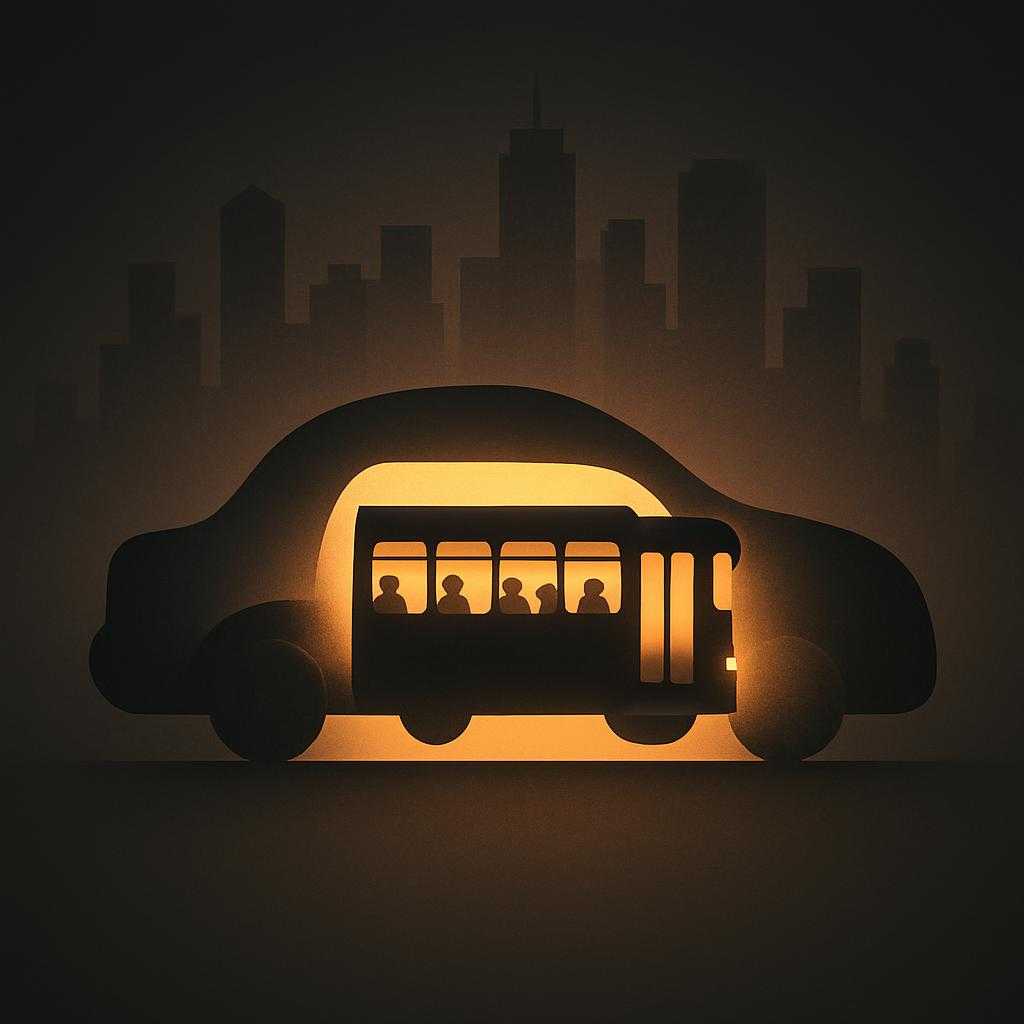
A bus journey from London to Calcutta could not be continuous in the everyday sense of rolling without a break. Over roughly 20,000 miles, passengers and crew had to stop for sleep, meals, fuel, repairs, and border formalities. “Continuous” describes the through-route: the trip was organized as a single long-distance bus journey rather than a chain of unrelated local rides.
That distinction matters. A road map can show a line between two cities, but a bus service has to make that line usable. It needs places where passengers can rest and the vehicle can be checked, as well as a plan for handling delays when a road or border crossing slows progress.
The road itself was part of the challenge
Unlike a train, a bus has no fixed track or dedicated corridor. It depends on the condition of the roads it encounters, and a route across two continents brings changing surfaces, traffic, weather, and driving conditions. A vehicle built for ordinary city or regional travel becomes a small expedition platform when it must carry people and luggage across such distances.
Borders add another kind of uncertainty: the bus may keep to its broad itinerary, but people and documents still have to pass through each crossing. That makes the journey a coordination problem as much as a driving one. Schedules must allow for the fact that progress is not controlled solely by the speed of the vehicle.
A moving expedition, not a faster commute
Albert’s significance lies in turning an immense overland distance into one passenger journey. The bus made the road, its interruptions, and its crossings part of the experience—not obstacles hidden behind a timetable. For those aboard, the destination was separated from London not just by miles, but by weeks of changing landscapes and the practical work of keeping a long route moving.