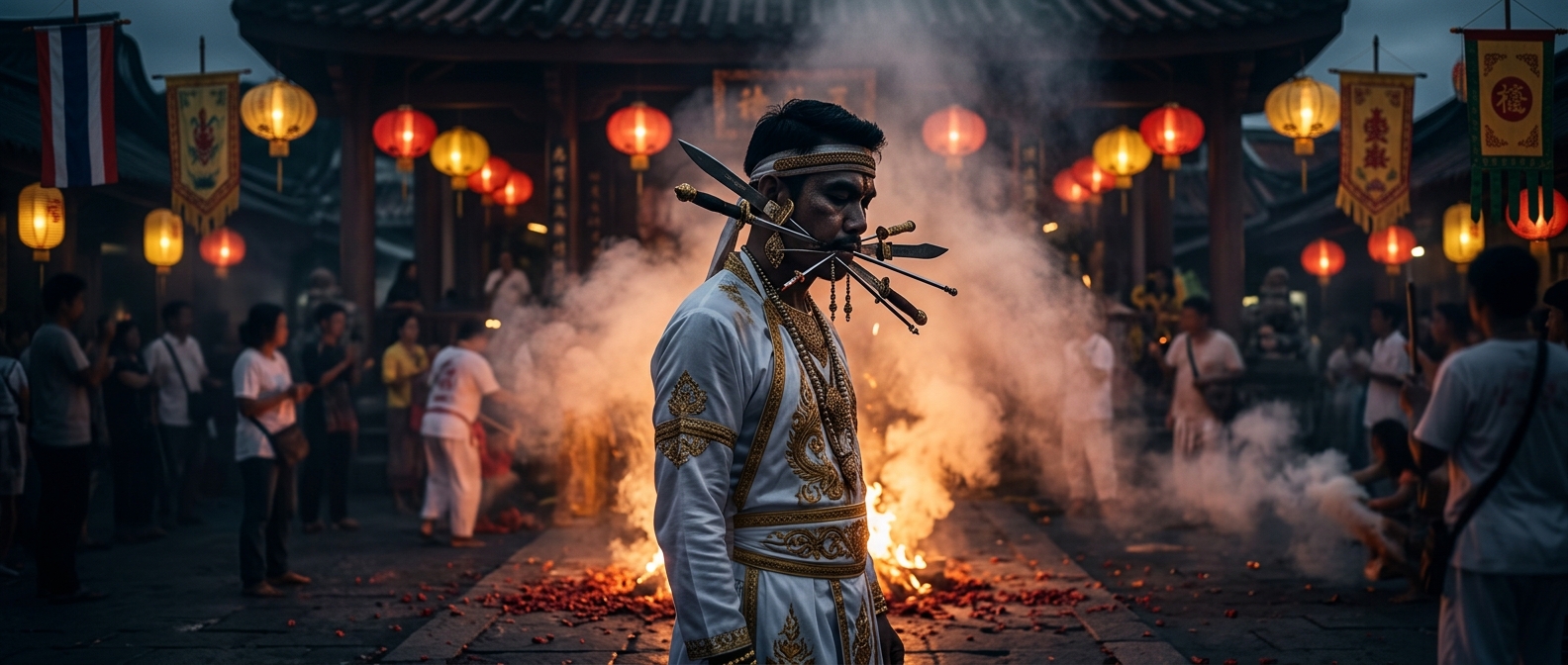
Why devotees take on the piercing at Thaipusam
At Thaipusam, a major festival in Tamil Hindu communities, acts of bodily discipline can express a vow made to Murugan, the god of courage and victory. A devotee may undertake a demanding ritual after praying for help, or as an act of thanks when a prayer is answered. The piercing is therefore not a spectacle for its own sake: within the tradition, it makes a private promise visible in public.
Thaipusam recalls the story of Parvati giving Murugan a divine spear to defeat a demon. The festival’s imagery centers on devotion, endurance, and the defeat of obstacles. Participants choose different forms of observance; cheek piercings are one striking practice, not a requirement for everyone.
A personal vow becomes a public procession
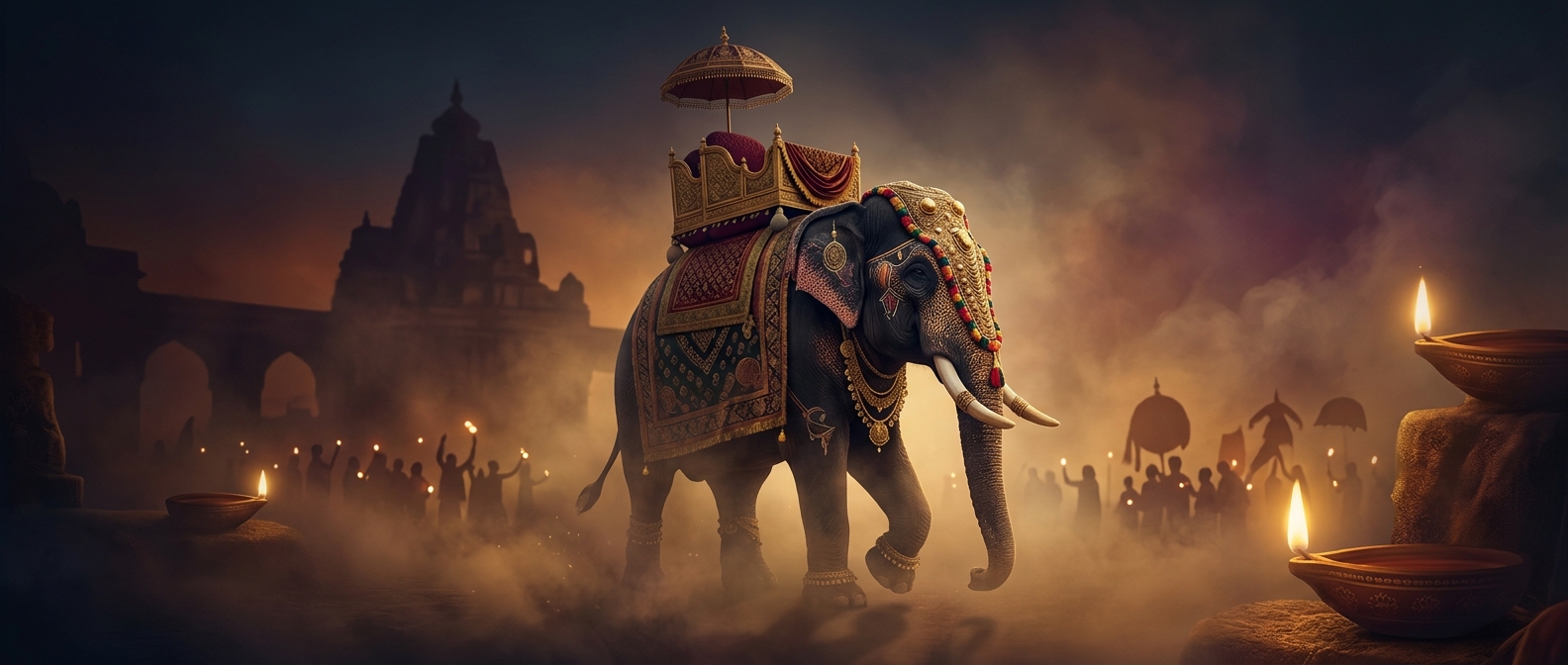
The ritual unfolds amid a larger gathering of worshippers, music, and processions. That setting matters: family members and fellow devotees accompany participants, turning an individual act of faith into a shared event. Many pilgrims also carry kavadi—ornate burdens borne as offerings—so the piercing belongs to a broader tradition of vows expressed through physical effort.
For visitors, the visible metal can dominate the scene. For devotees, its meaning lies in the commitment it represents and the prayerful journey around it. That contrast is part of what makes the festival memorable: a dramatic image is also a sign of a promise kept before a community.