A cape turns a stunt into a moving target
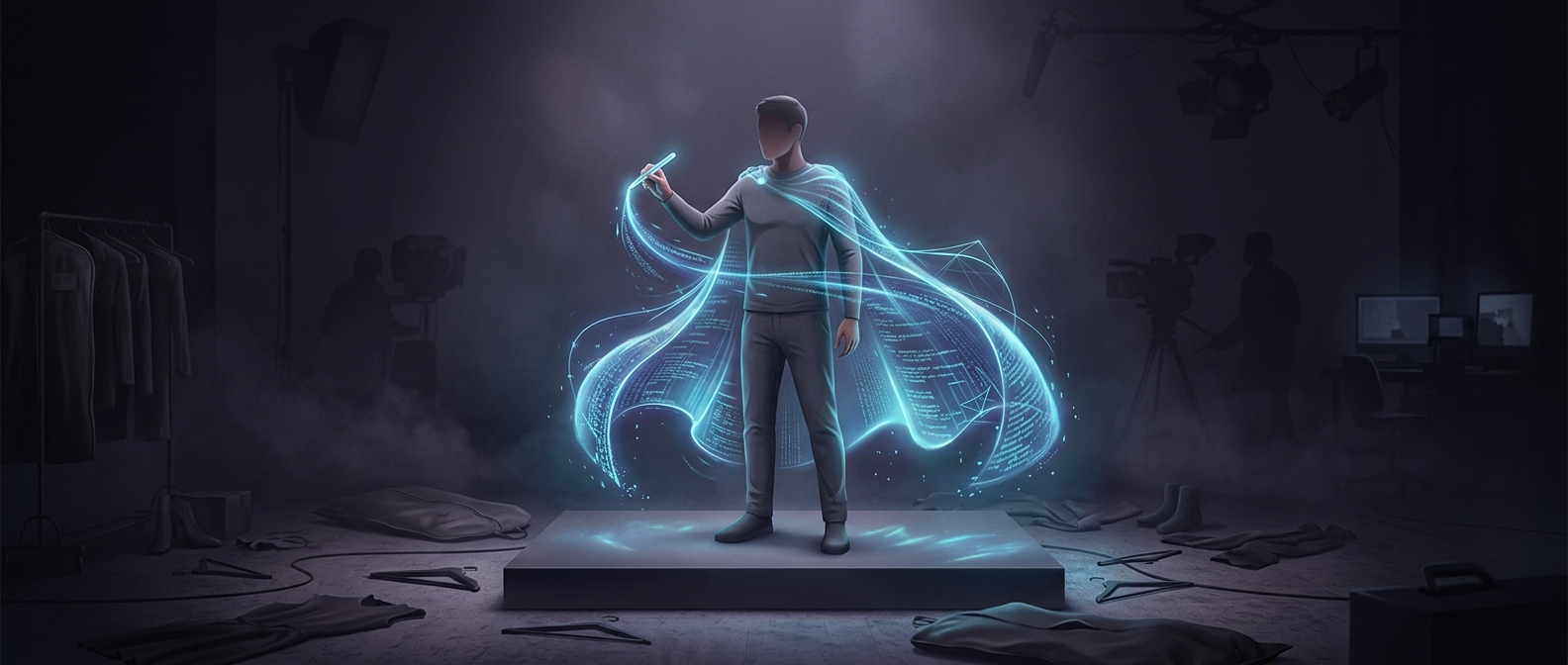
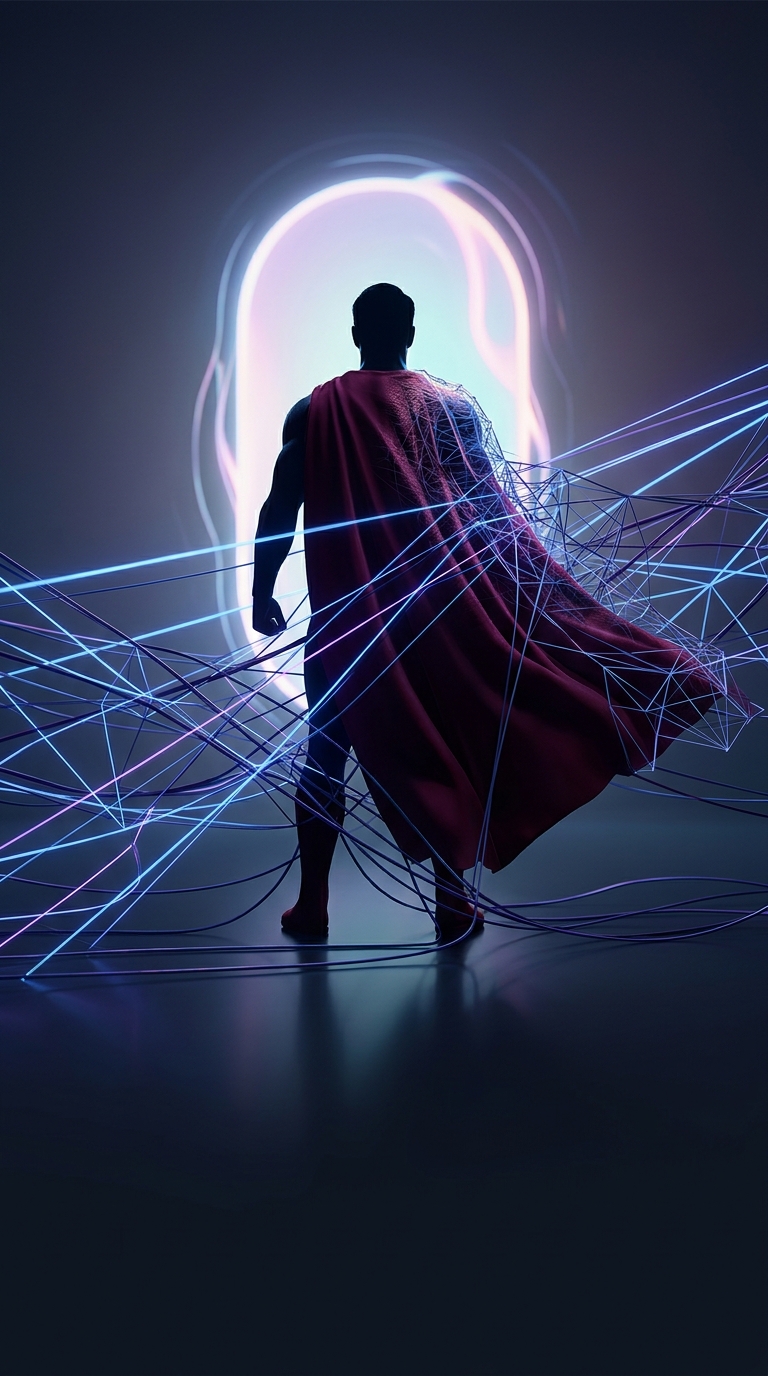
A superhero cape may look simple on screen, but during a stunt it behaves like a large, loose piece of fabric attached to a moving body. When an actor runs, spins, falls, or is pulled by a wire, the cloth can lag behind, billow outward, wrap around the actor, or sweep across the camera’s view. Its movement is hard to predict from one take to the next.
That creates a problem for visual-effects artists. They often need to combine live footage with digital elements—such as a wire removal, a background extension, or a computer-generated cape. A fluttering cape changes the outline of the actor and may cover the very parts of the body or rig that the effects team needs to track.
Every flutter adds work
For digital effects, tracking means following a feature in the footage from frame to frame so that a computer-generated element stays aligned with it. A cape can obscure those features, change shape, and cast shifting shadows. If it hides a safety wire in one moment but exposes it in the next, removing the wire cleanly becomes more difficult. Artists may have to reconstruct portions of the image that the fabric repeatedly covers.
The same unpredictability can complicate continuity. If a cape moves differently between takes, editors may have fewer usable shots to cut together, and effects artists may need to reshape or replace parts of it so the action looks consistent. That can mean additional digital work rather than a straightforward cleanup.
The practical compromise
The cape is not impossible to film; it simply makes already complicated stunt shots less controllable. Productions can use a modified or shortened cape, secure it for certain movements, or create some of its motion digitally. Each choice trades physical realism for control, time, or extra effects work.
A cape that looks effortless in the finished scene may therefore be carefully managed on set—or partly invented afterward—because one unpredictable sweep of fabric can hide a wire, disrupt a match between takes, and leave the effects team rebuilding the shot frame by frame.