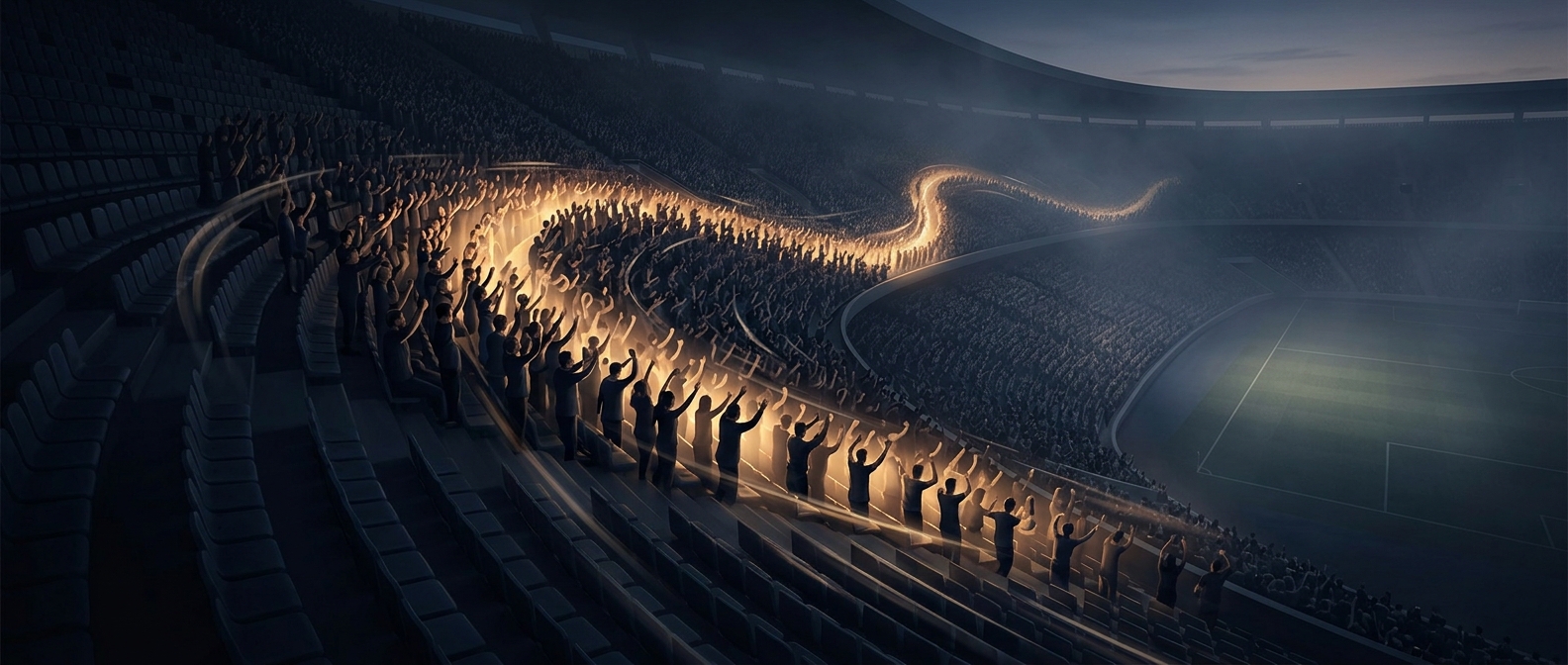
A wave travels from one cue to the next
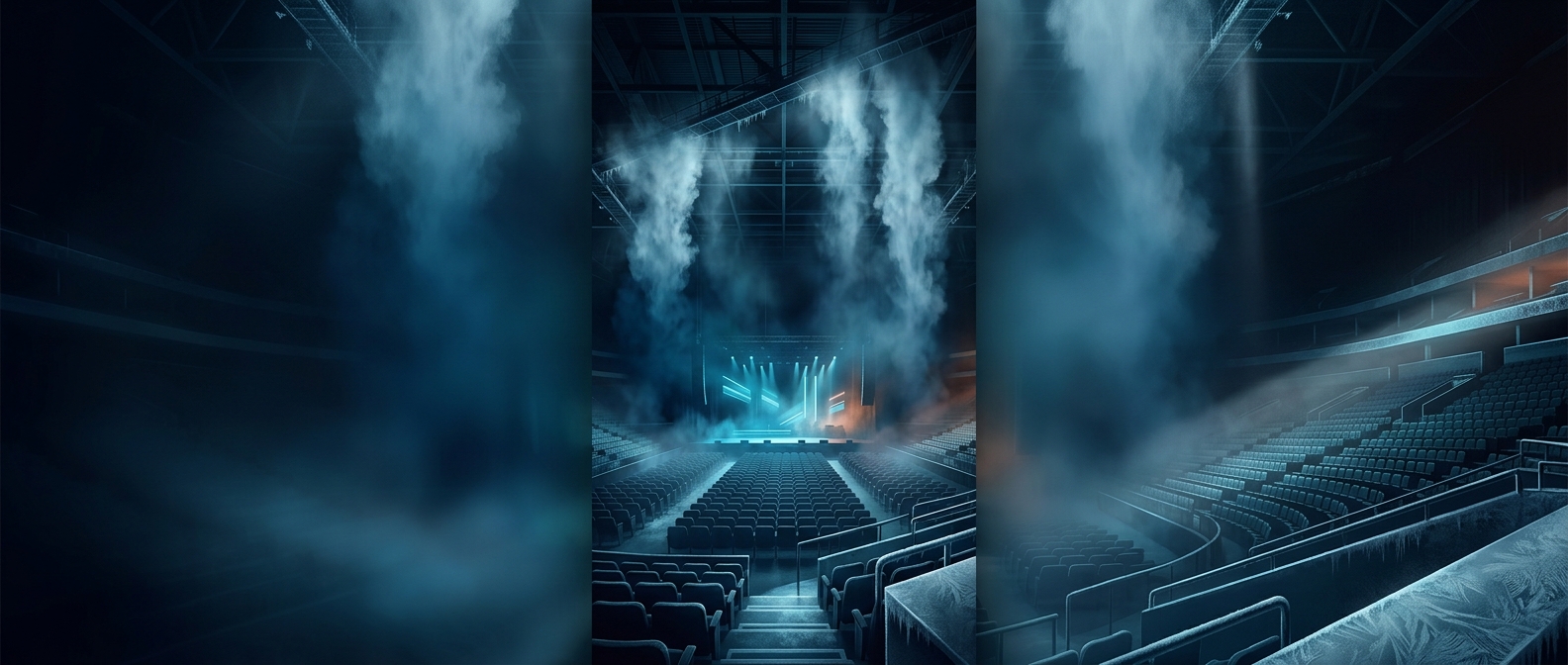
A stadium wave is less like a single movement sweeping across the stands than a chain of tiny, timed decisions. People rise as the wave reaches their section, then sit as it passes. Nearby spectators use that motion as a cue, so the response spreads around the stadium without a conductor telling each row when to move.
The reported pace—about 20 seats per second—describes how quickly the wave advances along the seating, not how fast any fan moves. At that rate, the ripple covers the distance of 20 seat positions in a second, even though each person is only standing and sitting in place.
Why the ripple keeps a steady rhythm
Each person’s delay matters. If fans react at roughly similar intervals to the movement beside them, one section’s response prompts the next at a fairly regular pace. The crowd acts as a sequence of local handoffs: no one needs to see the entire stadium or coordinate with everyone in it.
The average does not mean every wave moves at exactly the same speed. Crowd size, spacing, and how promptly people join can change the pace. But the basic mechanism is simple enough to produce a surprisingly orderly result: thousands of separate reactions can combine into one visible ripple, advancing seat by seat while the people themselves stay put.