What a 35-year cinema closure changed
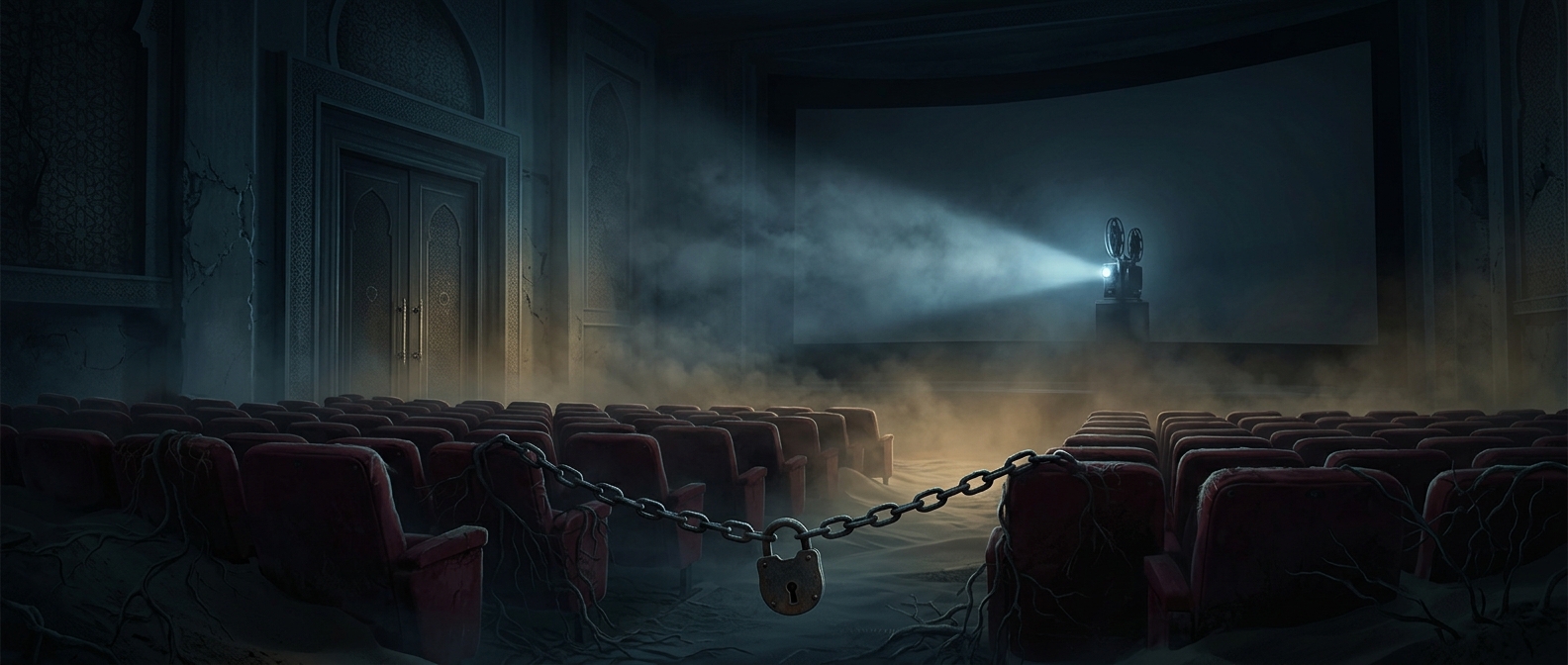
When cinemas shut in the early 1980s amid religious conservatism, watching a film became a private activity rather than a shared night out. Satellite television brought programs from beyond the country into homes, while smuggled VHS tapes—videocassettes carried in despite restrictions—offered another way to watch films. These alternatives kept screen entertainment available, but they could not reproduce the experience of gathering with an audience in a theater.
Permission was only the first step
Theaters were legally allowed to reopen in 2018. That change removed the barrier to operating cinemas; it did not mean that theaters instantly appeared everywhere. Operators still needed venues, screens, staff, and a steady supply of films. The reopening therefore marked both a legal shift and the beginning of rebuilding a public cinema business after decades without one.
The contrast is striking: for years, films reached viewers through satellite signals and tapes passed around privately. Reopening cinemas made moviegoing a shared, public experience again.