A throne without a seated figure
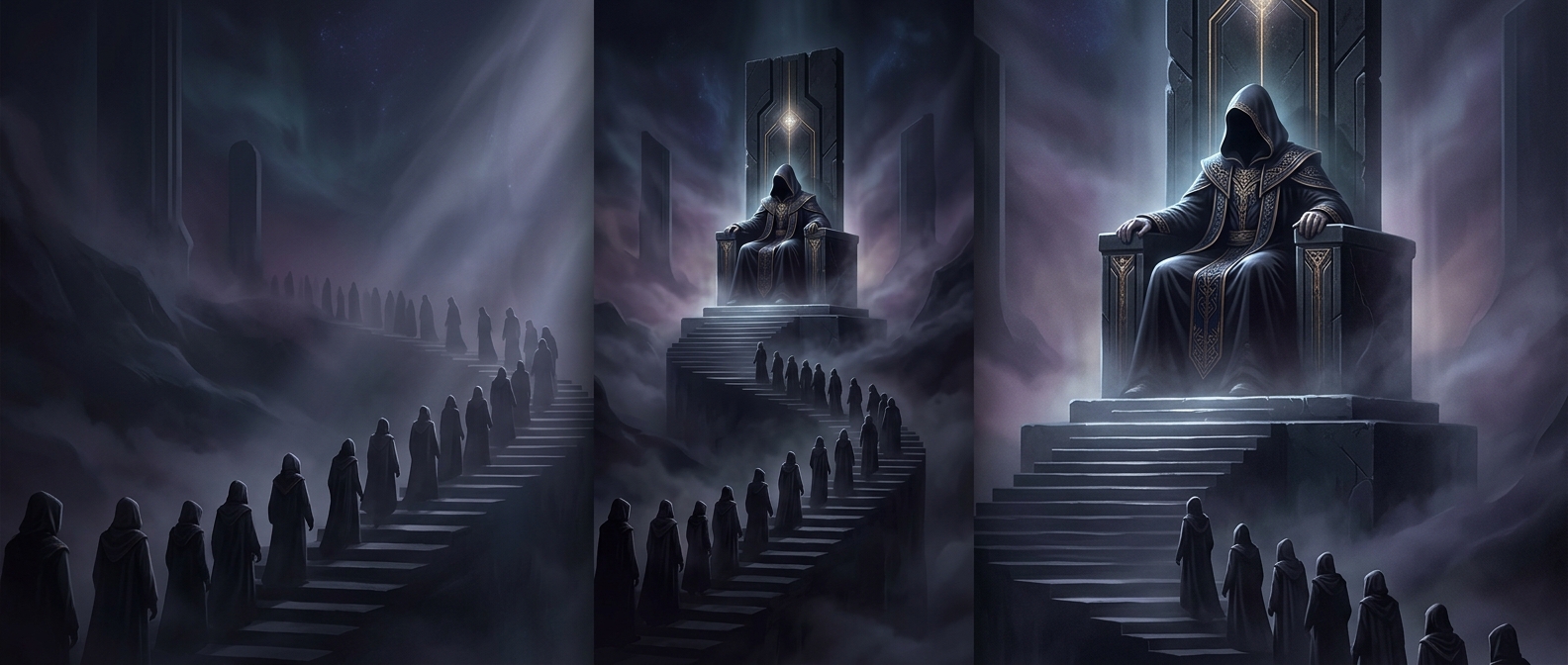
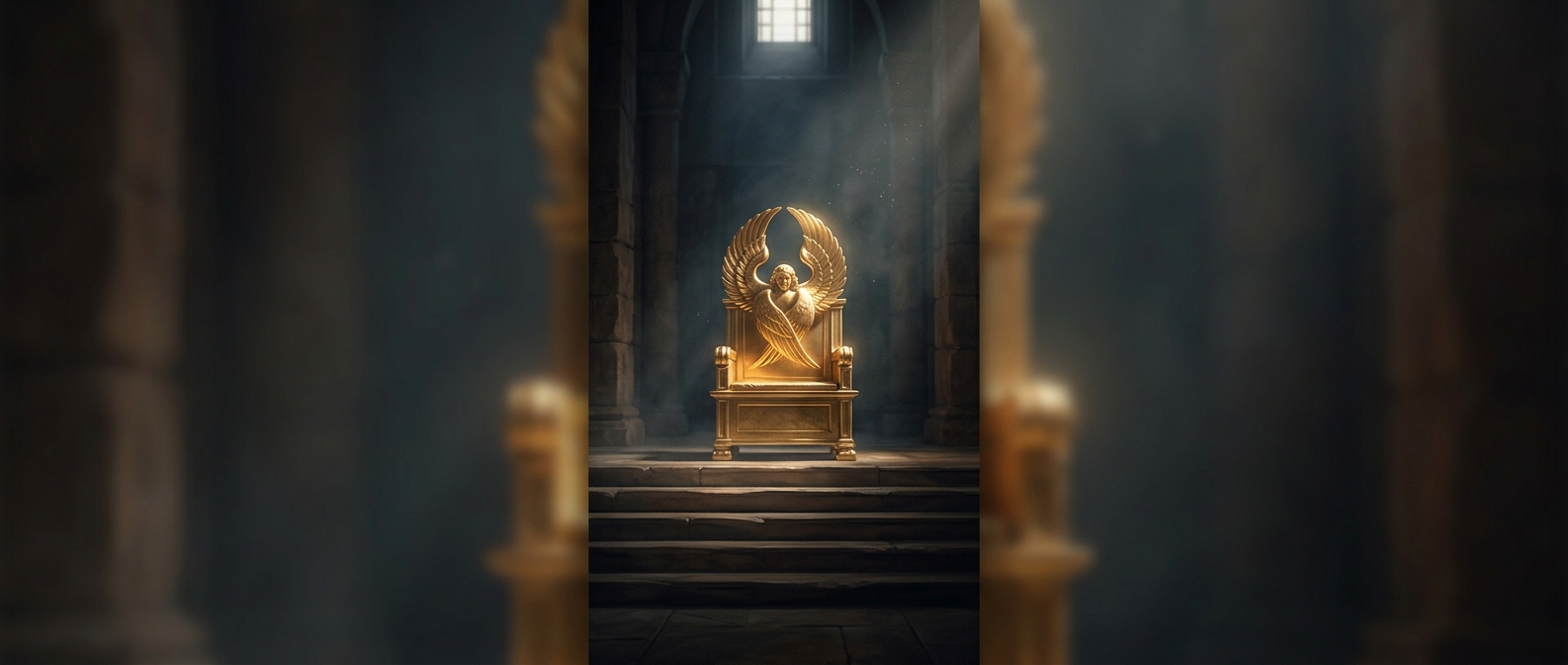
The Ark’s throne-like meaning comes from what it represented, not from a sculpted king sitting on it. In the biblical tradition, it marked the presence of Israel’s God among the people. The space above its lid, between the gold figures called cherubim, was treated as the place of divine presence. That made the Ark less like ordinary furniture and more like the base of an unseen ruler’s throne.
This imagery helps explain why some passages describe the Ark as a footstool: the divine presence was imagined as enthroned above it. The chest itself was not necessarily a literal seat. It was the sacred object that anchored the idea of a throne in a place where no human-shaped image of God was shown.
Built to travel, not to stay in a palace
The biblical description presents the Ark as a wooden chest covered in gold, with poles for carrying it. Its portability mattered. The Israelites’ sacred center could move with them, rather than being fixed to one building. The poles also meant that carriers could transport it without touching the chest directly, preserving its special status during the journey.
That combination—portable object below, invisible ruler above—gave the Ark a distinctive role. It was not simply a treasure box or a battlefield device. In the tradition, it made divine authority tangible while keeping the deity beyond ordinary sight. The throne idea was therefore both political and religious: a king’s seat signaled rule, but this one signaled a presence that could travel with the people and could not be reduced to a human figure.