Why the Birthday Song Makes Its Guest of Honor Freeze
A birthday song turns an ordinary meal into a tiny public performance. Everyone else has a clear part: sing, look toward the birthday person, and wait for the song to end. The recipient is suddenly the center of attention but has no equally obvious role to play.
That mismatch is the heart of the awkwardness. Singing along can feel as if you are joining a song about yourself; staying silent leaves you visibly watched. Leaving would interrupt the ritual, while looking displeased could seem to reject the effort behind it. A smile becomes the safest available signal: I appreciate this, even if I don’t know what to do with my face.
A Crowd Turns a Small Moment Into a Performance
In a restaurant, the audience may include strangers, servers, and nearby tables. Their attention makes the moment feel larger than its practical stakes. The birthday person has to manage several impressions at once—grateful, amused, and not too self-conscious—while the song keeps going at its own pace.
There is also a timing problem. The recipient cannot easily respond until the last note, so the usual back-and-forth of conversation disappears. For a few seconds, everyone else acts and the guest of honor is expected simply to receive the attention.
The Awkwardness Is Part of the Ritual
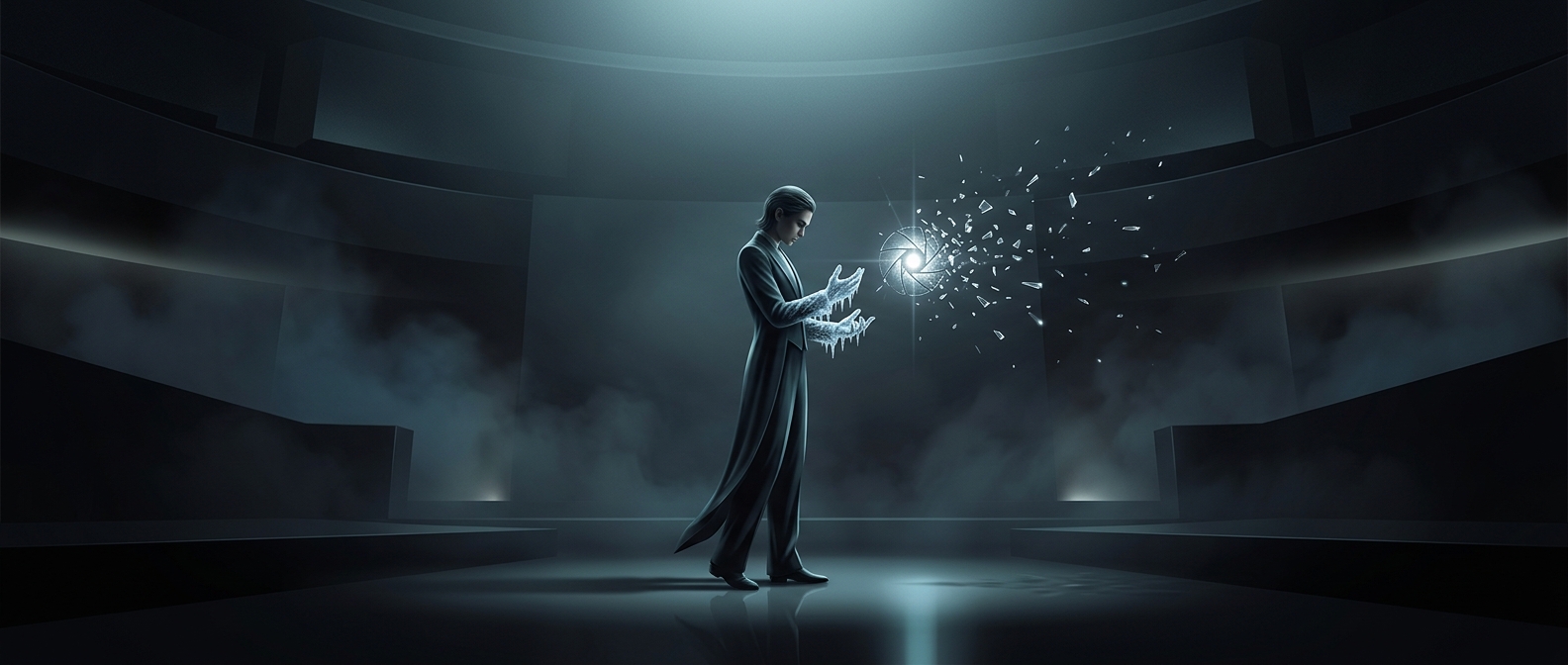
The song’s ending restores a familiar script: thank everyone, laugh, or blow out the candles. Until then, the frozen smile is less a sign of ingratitude than a makeshift response to a social role with no comfortable choreography. The moment feels so peculiar because the room has given one person the spotlight without giving them anything to do in it.