The person as a pattern of the whole
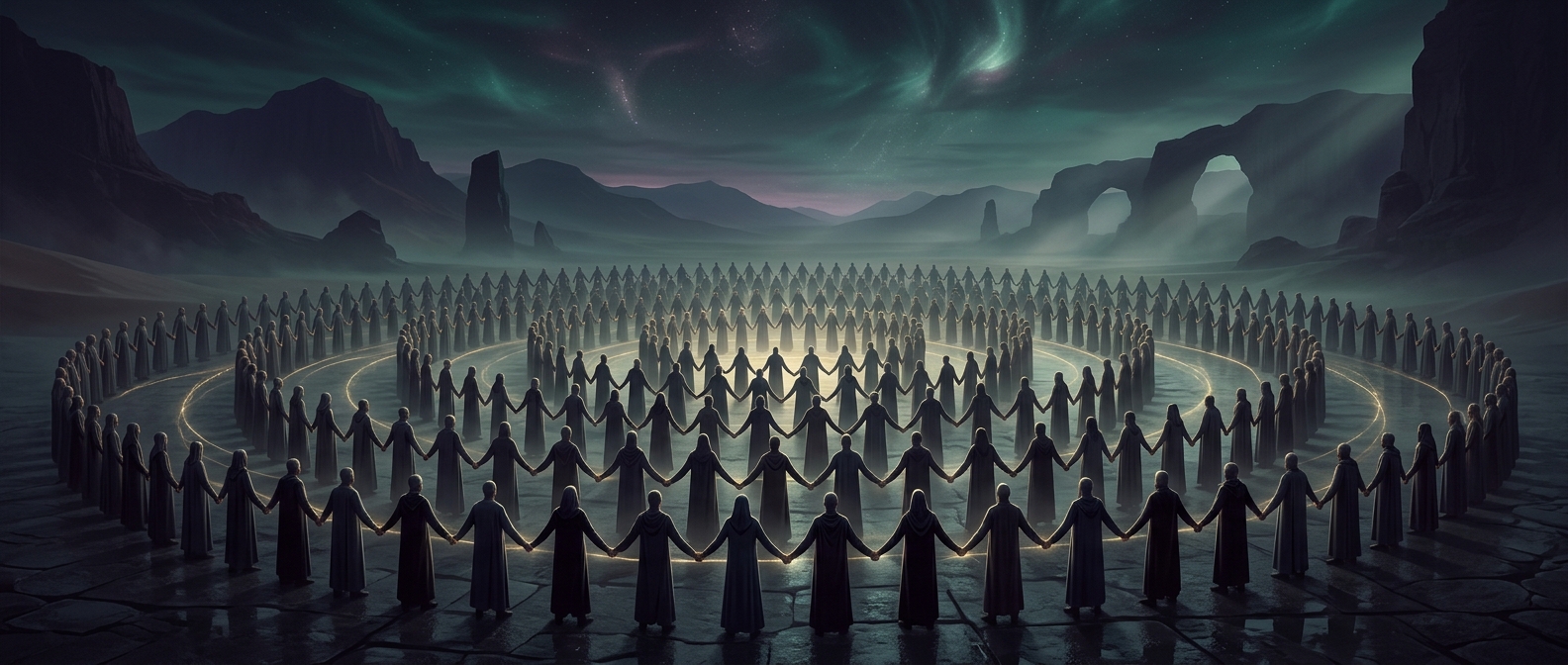
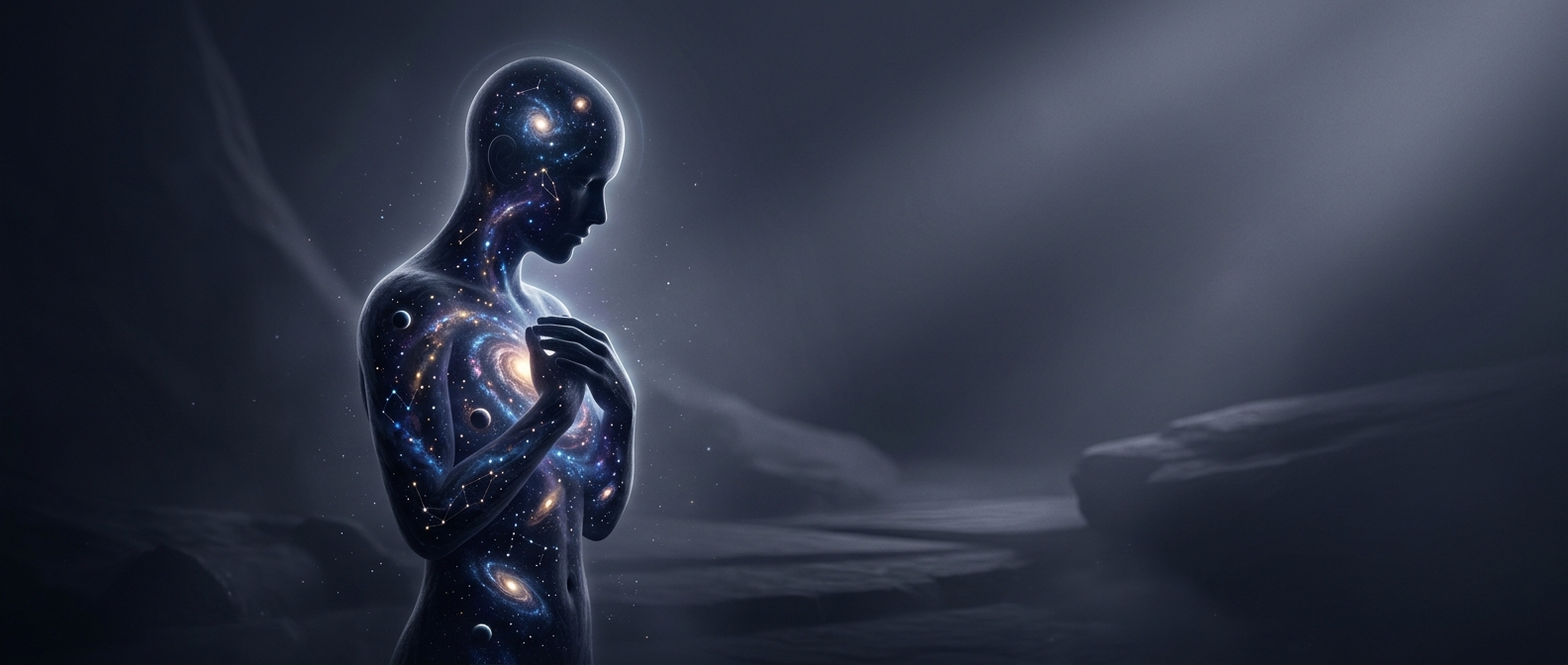
Microcosmic theory begins with an analogy: the human being is a microcosm, or “small world,” while the universe is the “large world.” The claim is not merely that people live inside the cosmos. It is that the same kinds of order, forces, or relationships appear at both scales, so the person can serve as a model for understanding reality.
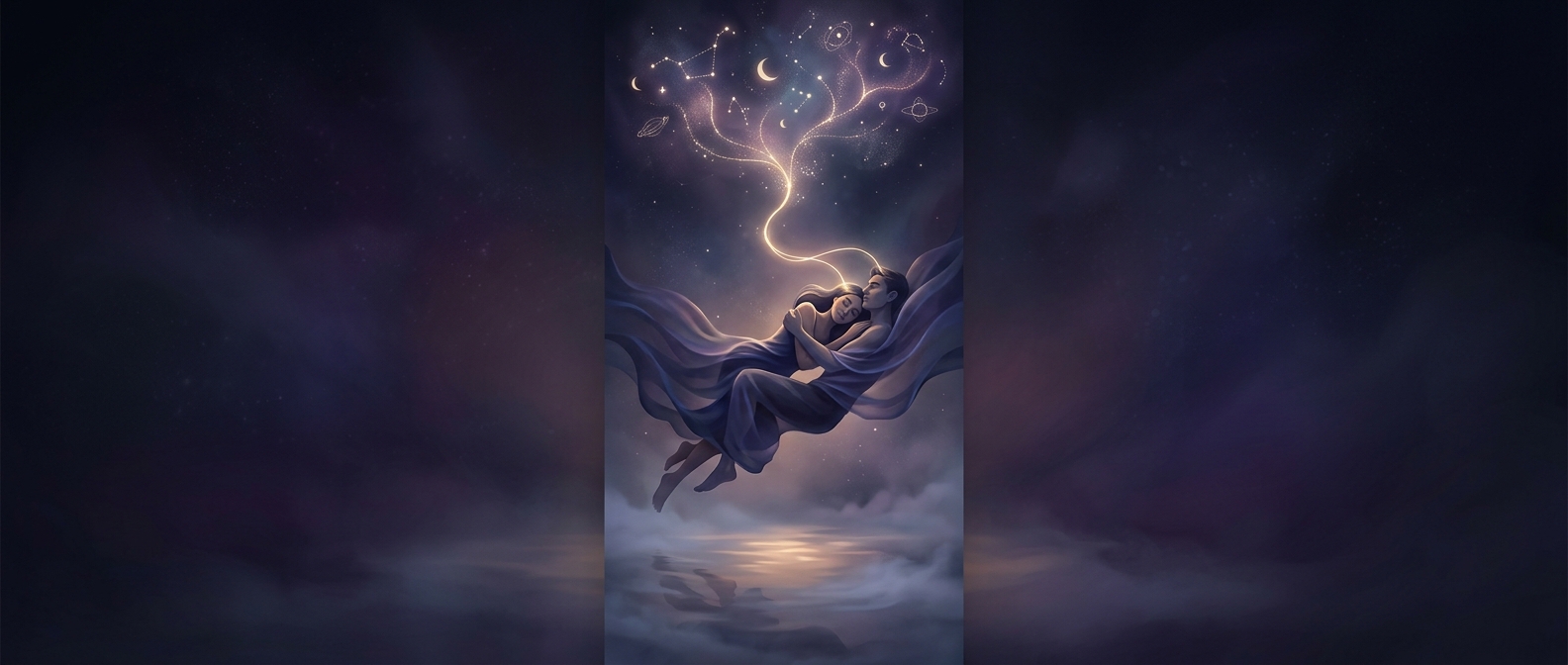
Different traditions have filled in that analogy in different ways. A bodily process might be compared with a natural cycle; qualities within a person might be understood as reflections of qualities in the wider world. These are symbolic correspondences, not one fixed map shared by every school of thought.
Why looking inward could reveal outward truths
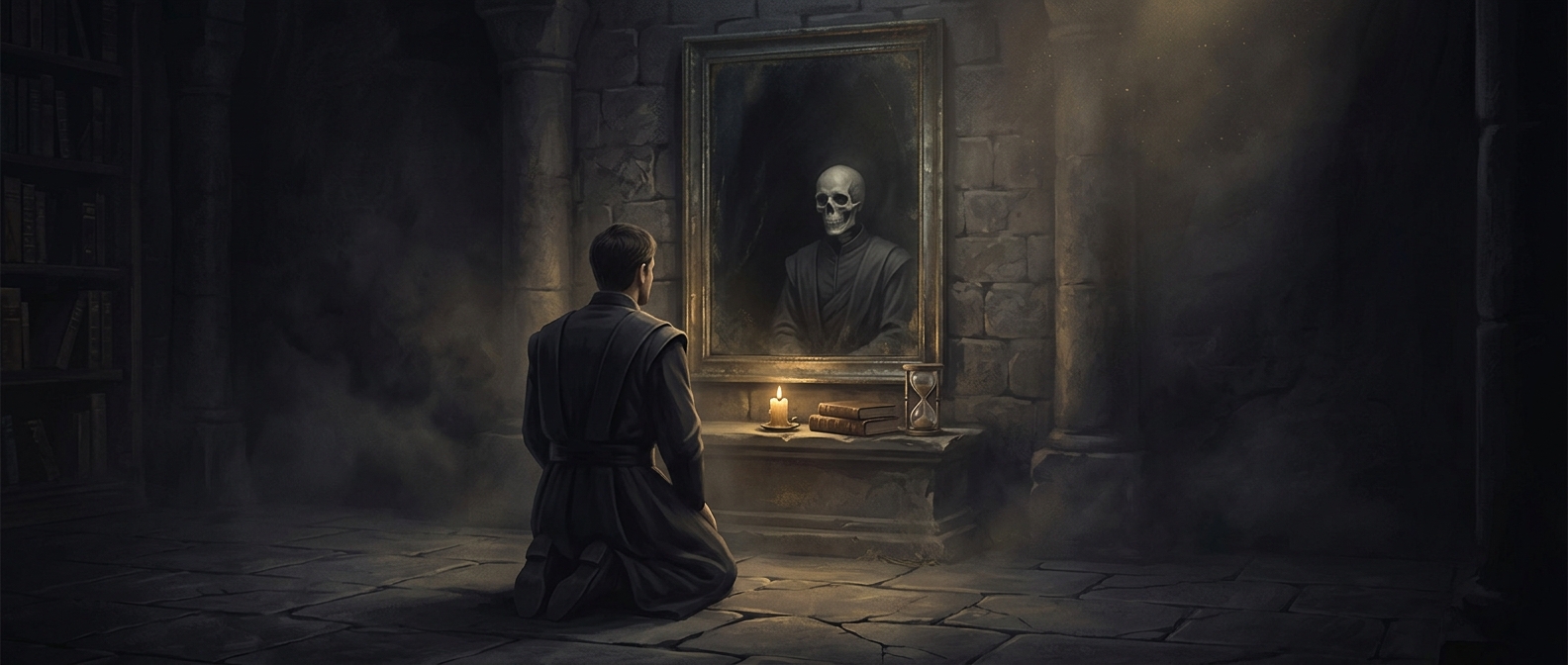
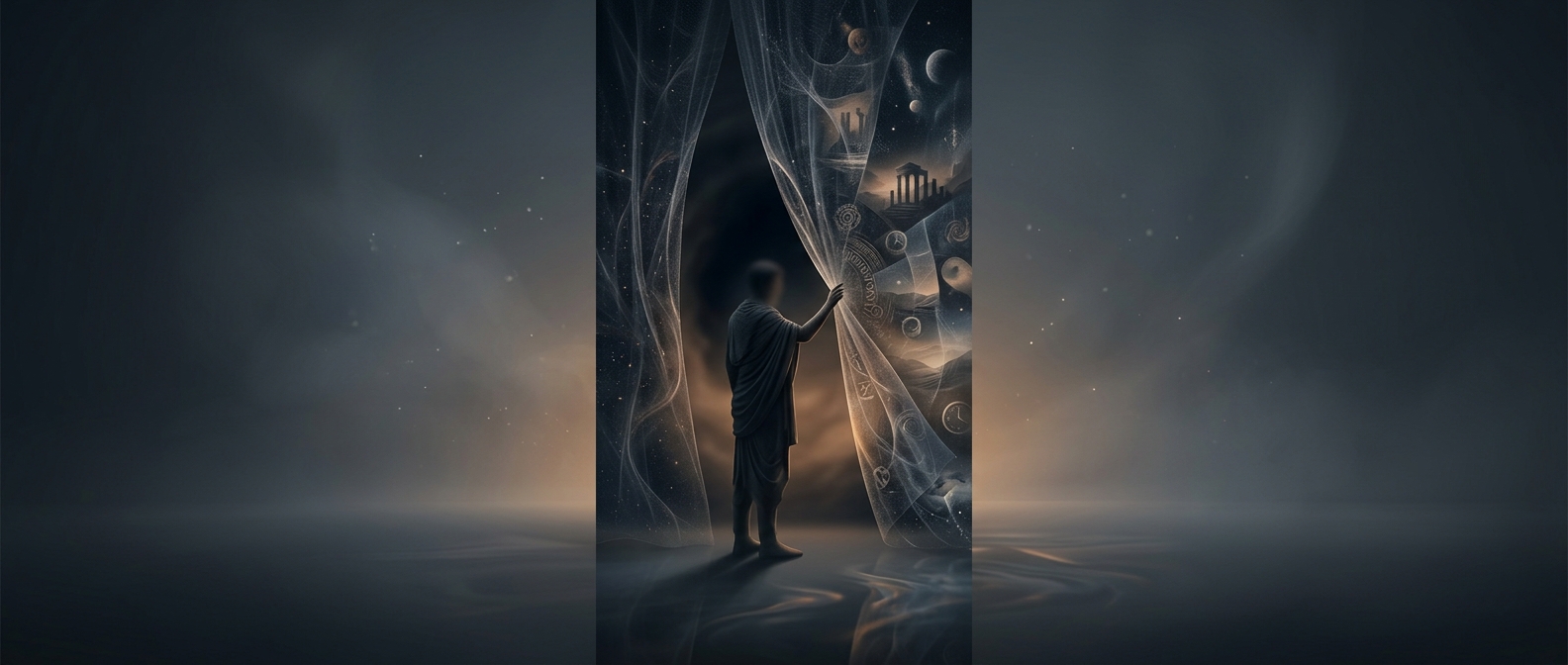
The theory makes self-knowledge more than a private exercise. If the small world and the large world share a structure, observing one’s own life—its changes, conflicts, and patterns—may offer clues about how the greater whole is organized. In the reverse direction, ideas about the cosmos can shape how a person understands the body, mind, and place in the world.
That reasoning also helps explain the theory’s appeal: it links personal experience to a reality that can otherwise feel vast and remote. Its correspondences belong to a philosophical or mystical way of interpreting the world, rather than serving as scientific evidence that the universe literally reproduces the human form.
The memorable consequence is a shift in scale: to study the self is, in this view, to study a small expression of the whole.