A Boss Fight Could Be Part of the Business Model
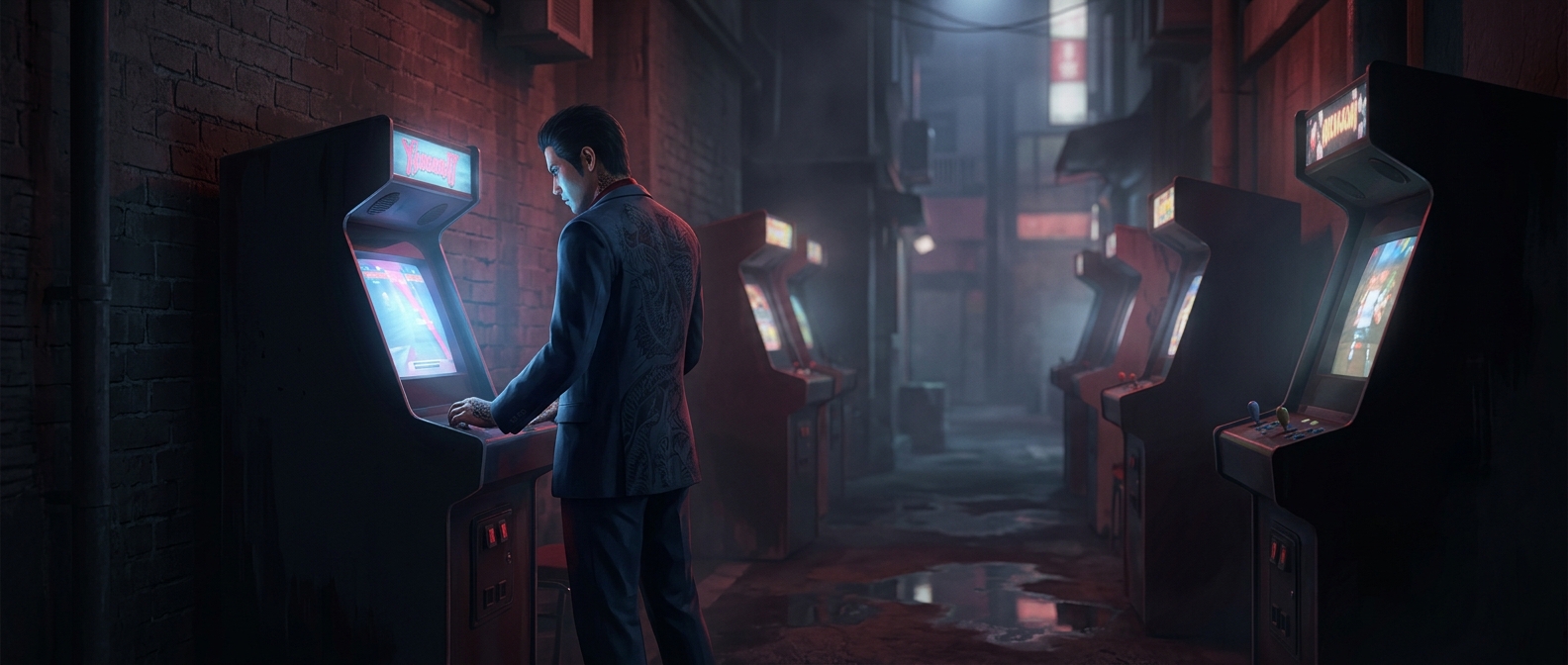
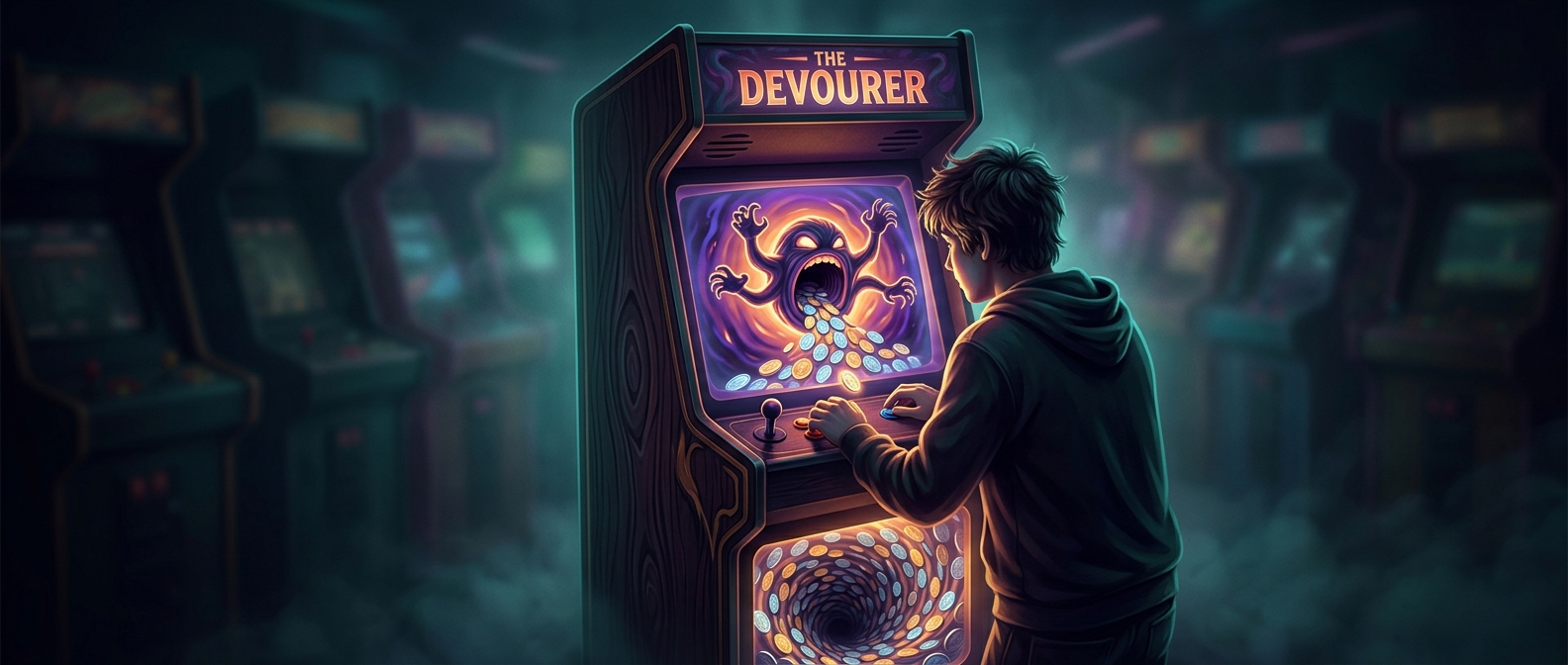
In an arcade, a quarter did not buy the whole game; it bought a chance to play. When a player ran out of lives, the cabinet could offer a continue: insert another coin and pick up where the game had ended. That made difficulty more than a test of skill. It could also determine how often a player paid.
A tough boss was especially effective because it appeared after a player had already invested time and effort. Losing just before victory made another credit tempting: the player knew the fight, had learned some of its moves, and might need only one more attempt. This is the design logic behind the idea of a game “eating quarters.”
The Balance Between Challenge and Frustration
The challenge had to feel beatable. If a boss seemed impossible, players might walk away; if it fell too easily, they could finish the game without spending much. Designers could tune factors such as an enemy’s attack patterns, the damage it dealt, and how much health it had. A demanding but learnable fight could keep a player engaged while making a continue feel worthwhile.
That did not mean every hard boss was deliberately created to extract more money. Difficulty could also serve the ordinary purpose of making a game exciting or rewarding mastery. But in coin-operated games, the continue system gave designers a direct financial reason to consider how long players lasted—and where they were most likely to need another try. The quarter was not just payment at the entrance; it could be part of the game’s pacing.