How heat can revive a failing arcade board
An arcade circuit board is held together electrically by tiny solder joints: metal connections that link component leads to copper pathways in the board. Over years of operation, the board warms up and cools down. The materials expand and contract by different amounts, putting repeated stress on those joints. A hairline crack can interrupt a signal or power connection, causing glitches, failed starts, or a machine that works only intermittently.
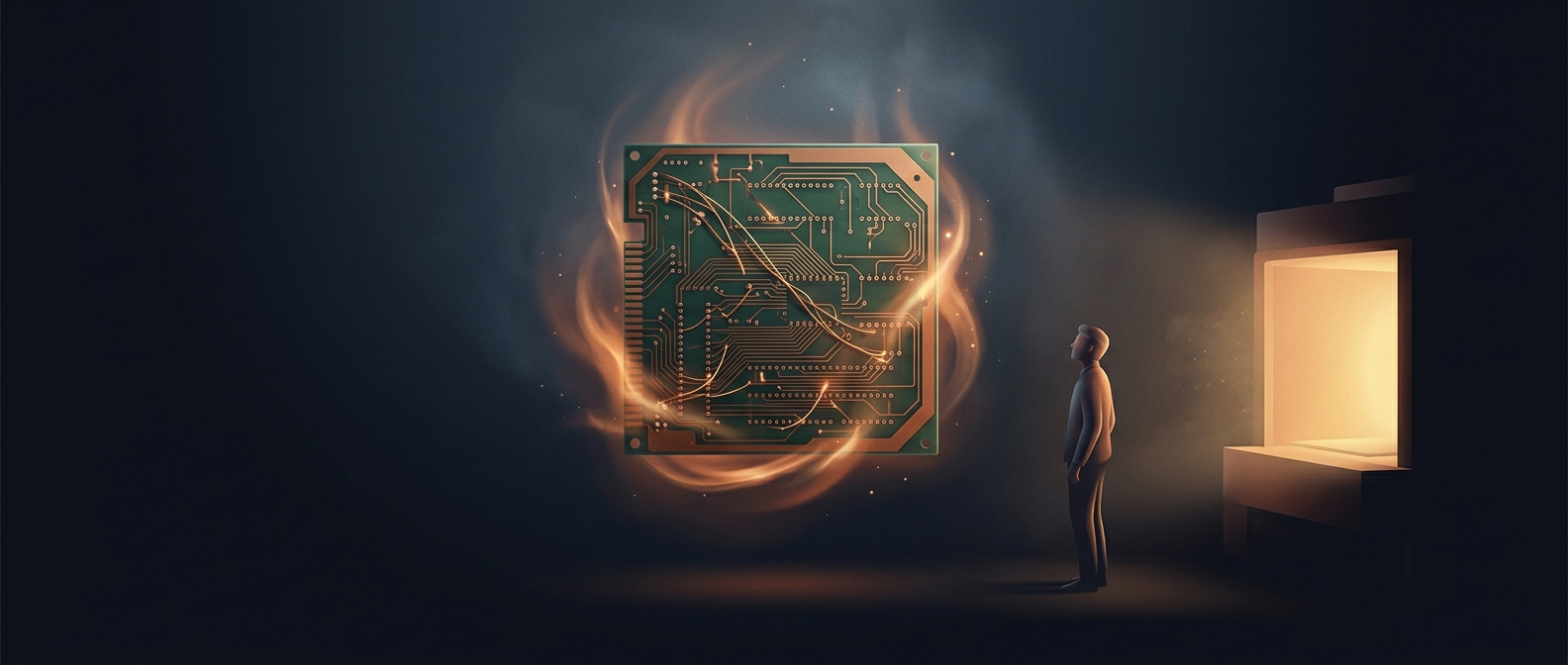
Heating the board can sometimes repair that kind of break. When solder becomes molten, it can flow across a crack and bond again to the metal surfaces. This is called reflow. It is most effective when the trouble really is a damaged solder joint and the surrounding pads and components are still sound.
Why an oven is a risky shortcut
A repair oven aims to heat the board evenly enough to reflow solder without overheating other parts. A household oven is not designed for that job: its temperature can vary across the board, and nearby components may tolerate heat differently. Too much heat can warp the board, loosen parts, or damage plastics and other heat-sensitive materials. Heating electronics can also release unpleasant fumes, so a food oven is not an appropriate workspace.
Even a successful reflow may be temporary if the underlying joint or component is badly damaged. The useful lesson is that heat can restore a broken connection—but only when applied as a controlled repair, not as a cure-all. A revived arcade board may owe its return to one microscopic crack closing again.