A button press has to make a round trip
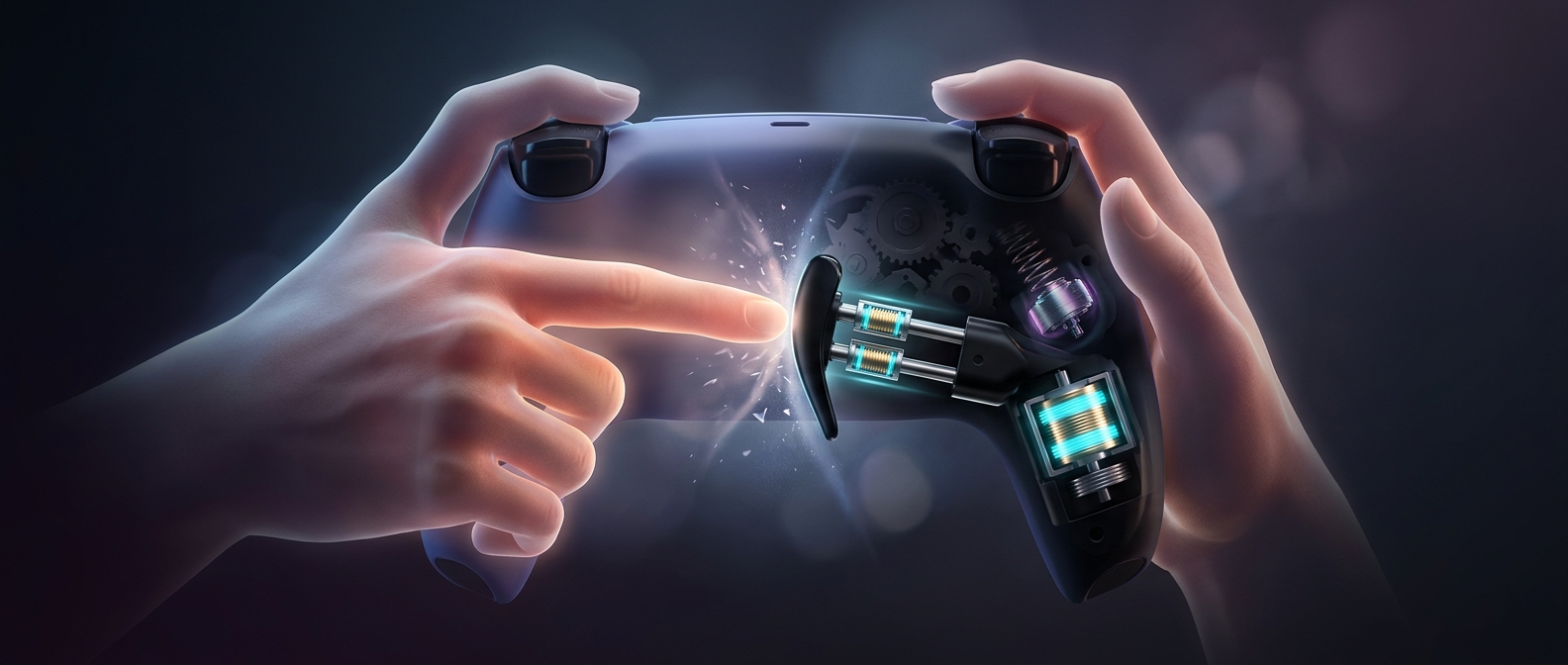
In cloud gaming, your device sends a button press to a computer in a data center. That computer updates the game, renders a new frame, compresses it into video, and sends the video back for your screen to display. The action therefore depends on a chain of steps, not just on how quickly your device can send a signal.
Each step takes time. Signals in fiber-optic cable travel fast, but not instantly, and their route may span hundreds or thousands of miles. The server also needs time to process the command and prepare the video; your device needs time to decode and display it. These delays add up before the on-screen result appears.
Speed is not the same as capacity
A connection’s bandwidth is how much data it can carry at once; its latency is how long a particular piece of data takes to make the trip. More bandwidth can help deliver high-quality video smoothly, but it does not make the distance to the server disappear. Network congestion or an indirect route can add further delay, even when a connection is otherwise fast.
Game services can hide some of the wait. A game might predict what a player is about to do or smooth motion between received frames. These tricks can make controls feel more immediate, but they are estimates: if the prediction is wrong, the game may need to correct what appeared on screen.
The server’s location still matters
A nearby data center can shorten the journey, and efficient hardware and network routing can trim other parts of the delay. But the command still has to reach a remote machine and its result has to return. That is why cloud gaming can feel responsive without matching the near-instant feedback of a game running locally: the network can make the round trip shorter, but it cannot make the trip vanish.