A different rulebook for the American market
When Nintendo brought Japanese games to the United States in the 1980s, it was not simply translating dialogue. The company was adapting games for a new audience and for a market where parents, retailers, and broadcasters could be wary of material they considered religious, violent, or otherwise unsuitable for children. Nintendo’s American team applied conservative content guidelines to avoid provoking objections that might keep a game off store shelves or damage the brand.
Why crosses and afterlife references drew scrutiny
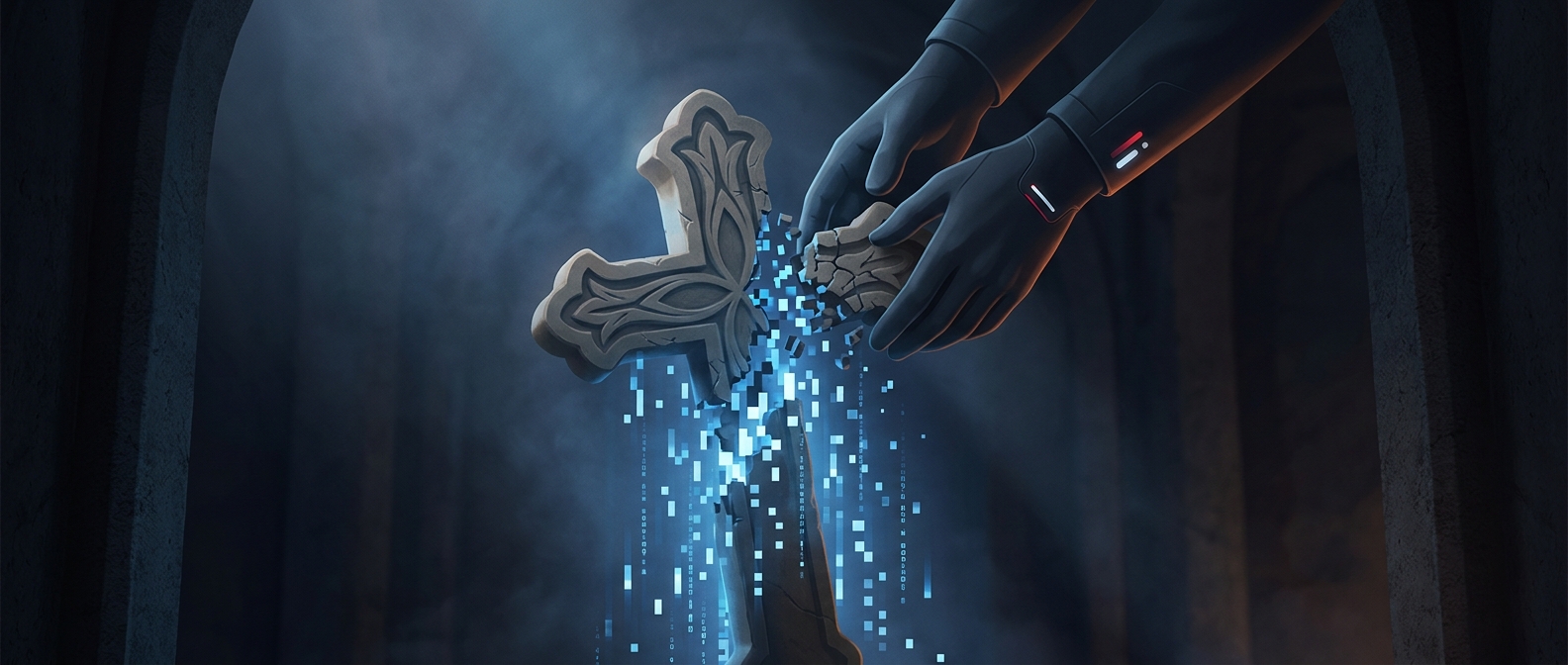
A cross can function as decoration or as a recognizable Christian symbol; in a game, either reading could invite controversy. References to death, spirits, or an afterlife raised similar concerns about what young players should encounter. The rules therefore affected more than dialogue: localization teams sometimes changed visual details, too, replacing crosses and religious-looking statues with less specific designs.
These edits were part of a broader effort to make games feel acceptable to American families, not evidence that the original scenes had a single religious meaning. A symbol that seemed incidental to a Japanese developer could carry a sharper association for American players, so removing it was a way to reduce the chance of a dispute.
The cost of playing it safe
The approach helped Nintendo present a consistent, family-friendly image, but it also made American versions visibly different from their Japanese counterparts. Players could encounter a changed object or softened line without being told why. Those small alterations reveal how localization works beyond language: the same game can be reshaped by assumptions about what a particular audience will accept.