Turning Hide-and-Seek Into an Olympic Event
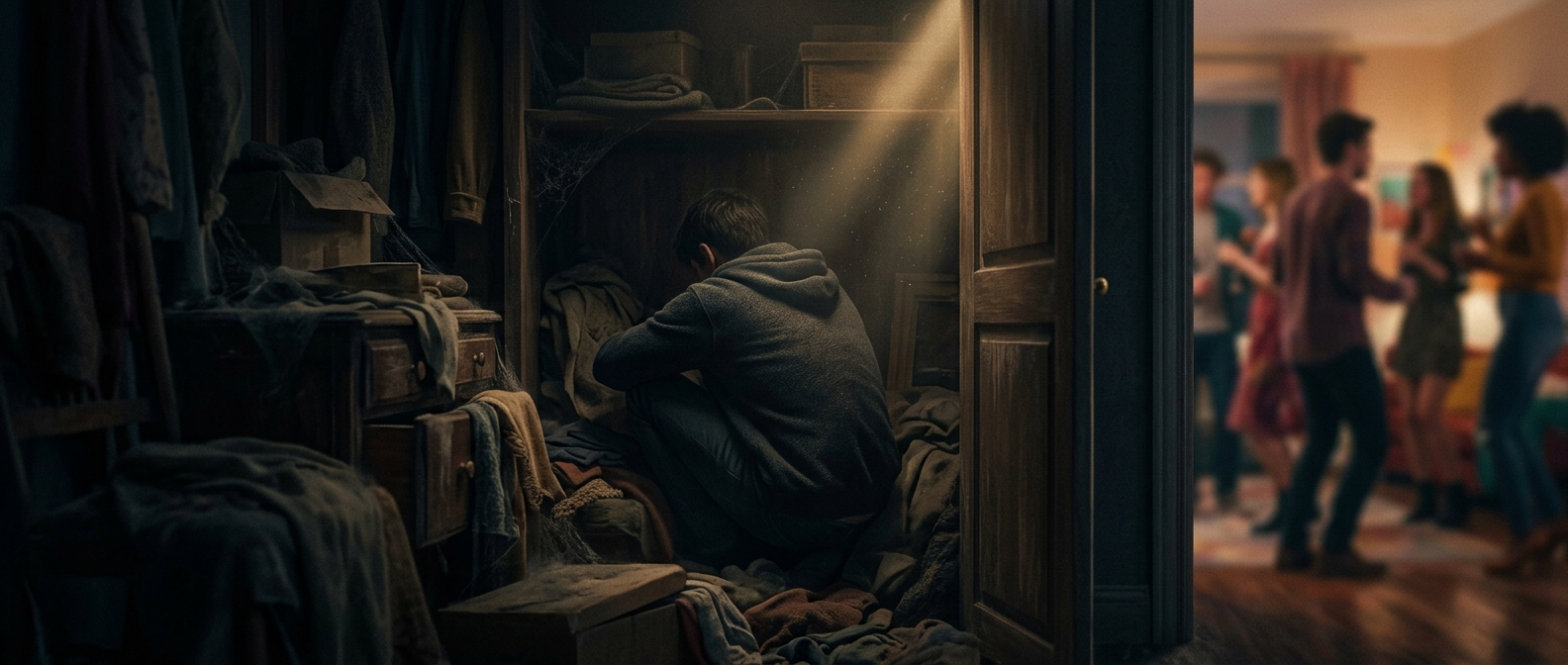
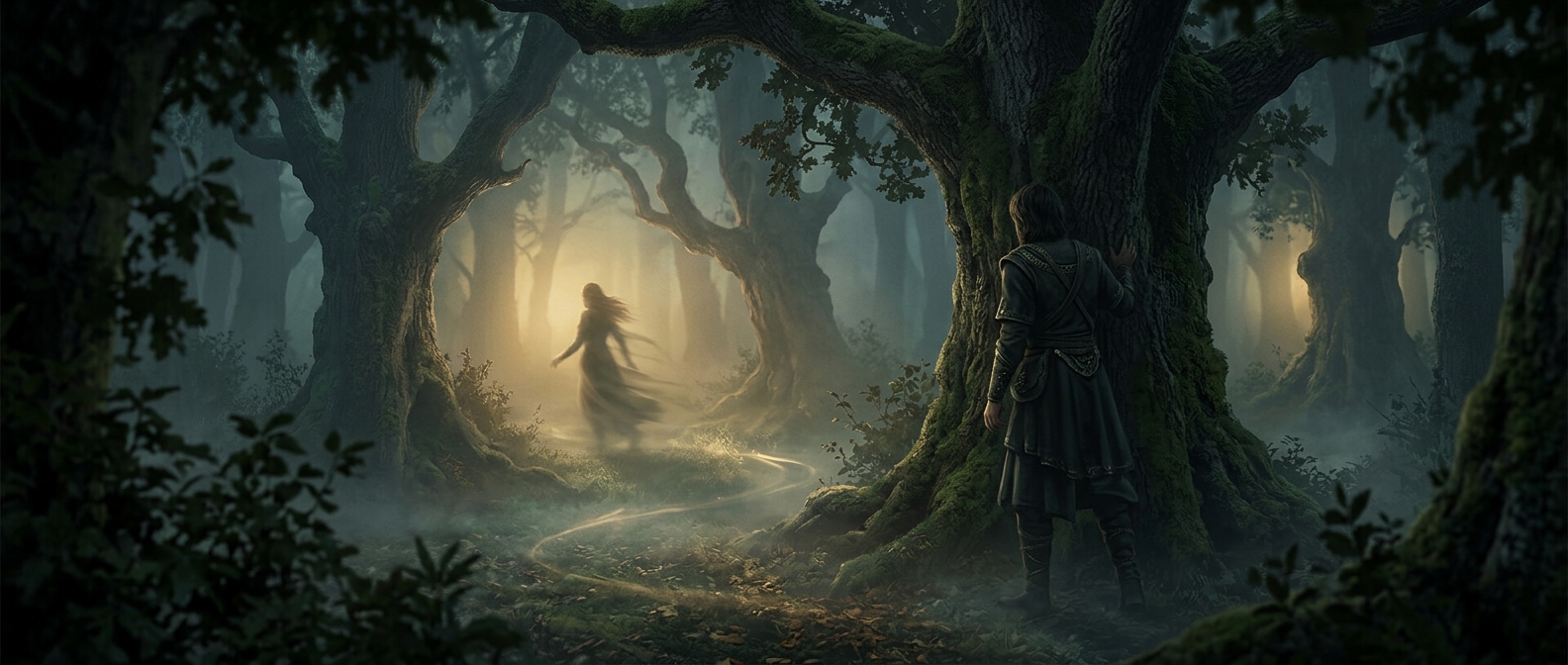
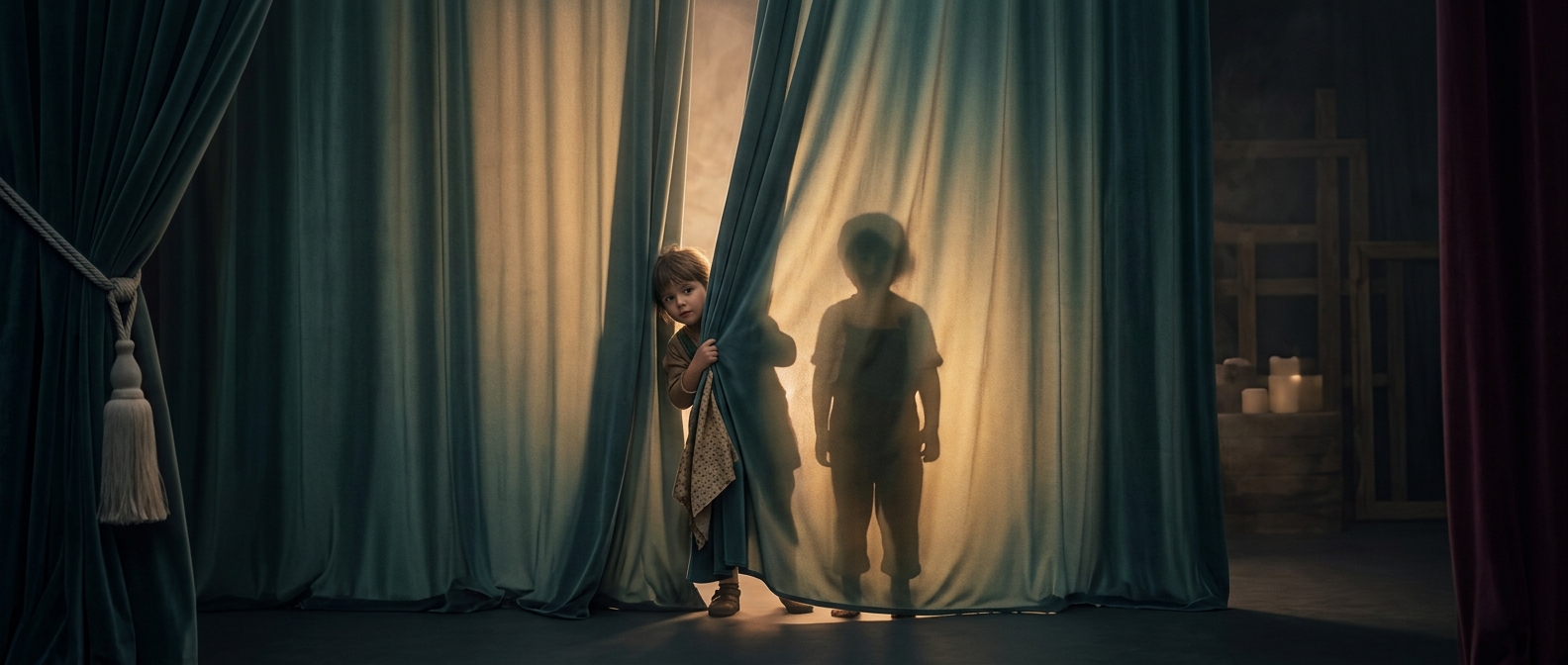
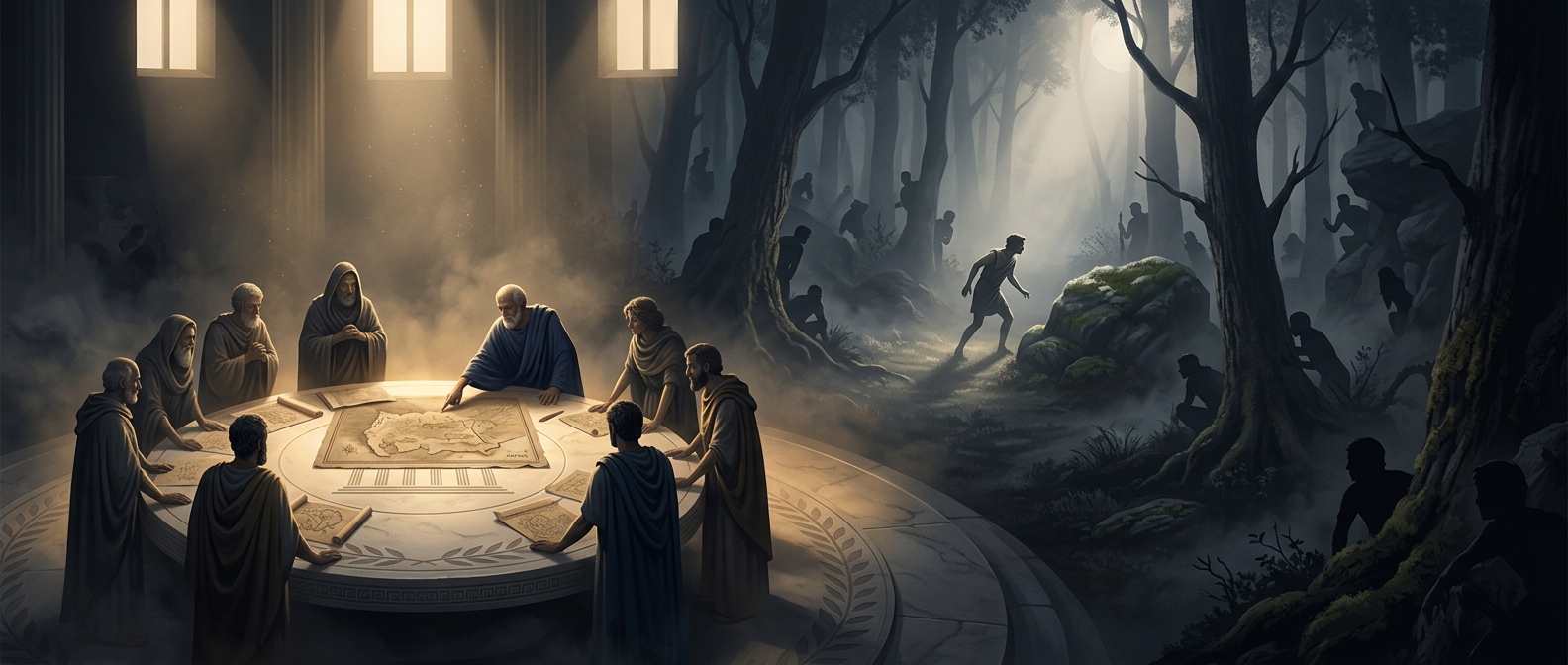
Hide-and-seek works because the people looking know that someone is nearby but cannot see exactly where. That uncertainty is fun for players—and a problem for anyone trying to turn the game into a judged competition. An Olympic version would need clear boundaries, a fixed hiding period, and rules for what counts as a successful hiding place or a completed search.
Even basic choices could change the contest. Should the seeker win by finding everyone, or should each hider earn points for lasting longer? Could players move after hiding? Would a hider be out as soon as spotted, or only when tagged? Without answers, competitors could follow different versions of the game, making results hard to compare.
The Audience Needs More Than a Score
Broadcasting adds another challenge: viewers need to understand what is happening while it happens. In a race, the competitors and finish line are visible. In hide-and-seek, the most important action may be a person staying unseen. A camera could show the hiding area, but revealing a concealed player would spoil the central suspense; keeping them hidden would leave viewers unsure whether anything was happening at all.
That tension exposes the event’s unusual design problem. To make the game easy to follow, organizers might reveal the hiding spots or add signs and cameras—changes that would also alter the game. The proposal’s difficulty was not simply finding places to hide. It was preserving the pleasure of being hidden while giving spectators enough information to know who was winning.