Why Counting Can Become a Hiding Place of Its Own
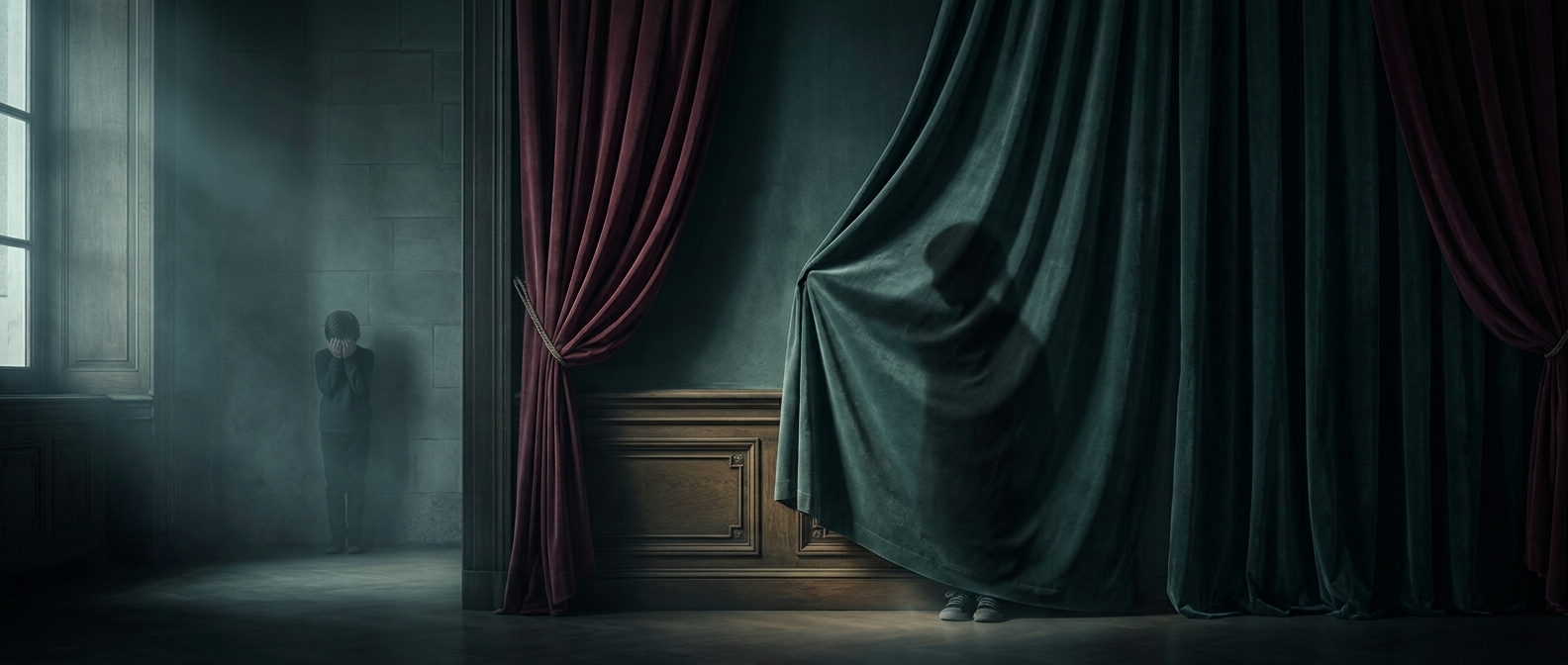
Hide-and-seek assigns one player a peculiar job: close their eyes, count, and then go looking. That job is both a rule and a brief break from the most demanding part of the game. While everyone else scrambles to choose a hiding spot, the counter is temporarily removed from the chase and does not have to make a decision about where to hide.
For a child who wants a pause without leaving the group, volunteering to count can be a neat social solution. The game supplies a reason to stand still, look away, and take a breath. Then the child can rejoin without announcing that they are tired or bored. The pretend search helps preserve the shared fiction: everyone is still playing, even if the counter is taking the task slowly.
A Small Negotiation Inside the Rules
The role also gives children room to adjust the game’s pace. A careful count builds suspense; a leisurely one stretches the interval before searching begins. The others may accept that delay, complain, or try to hurry the counter along. In that exchange, children are negotiating how long the game should last and what counts as playing fairly.
That is why the trick works best when the group tolerates a little looseness. If the counter disappears for too long, the others may feel the game has stalled. But a short, plausible pause can satisfy two needs at once: the group keeps its game, and one player gets a moment of quiet. The counter’s job is not merely to start the hunt—it can quietly offer a way to step back without stepping out.