Why a Stone Wall Can Be Better Than a Perfect Hiding Place
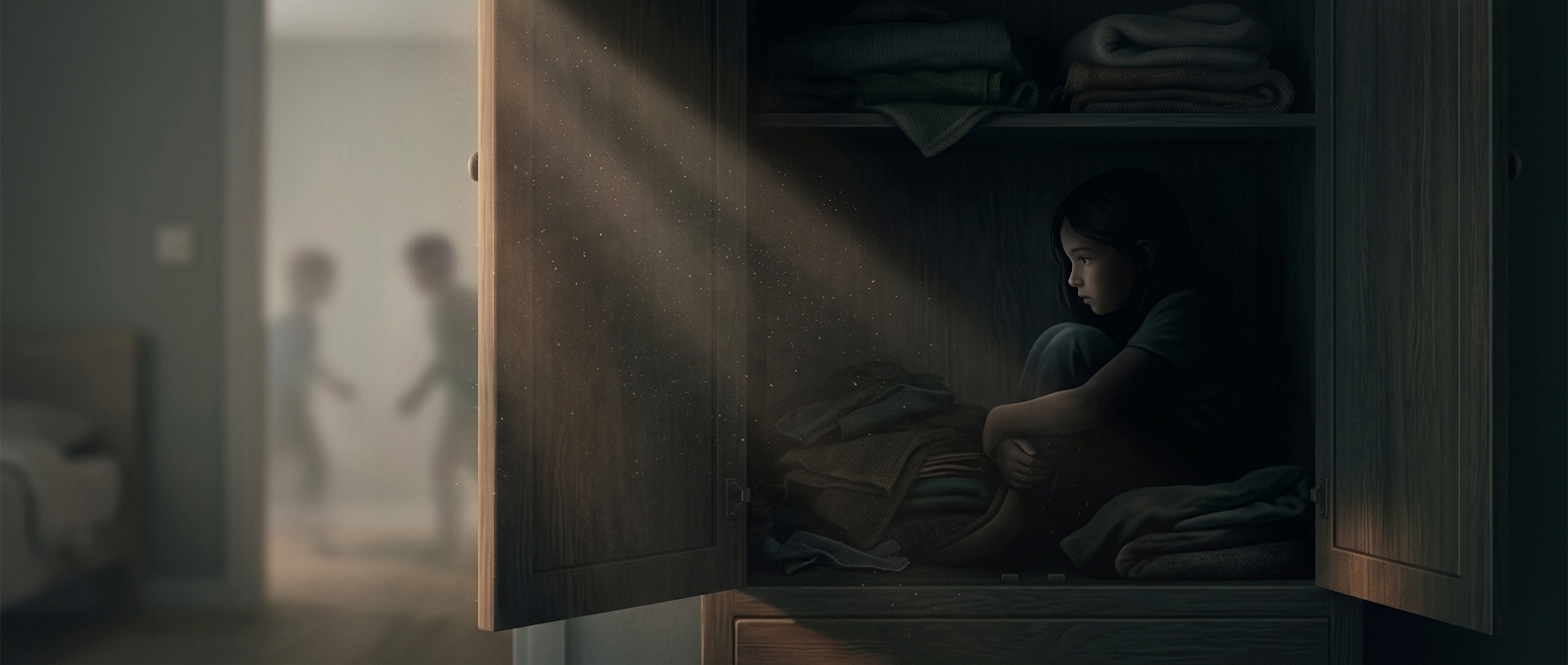
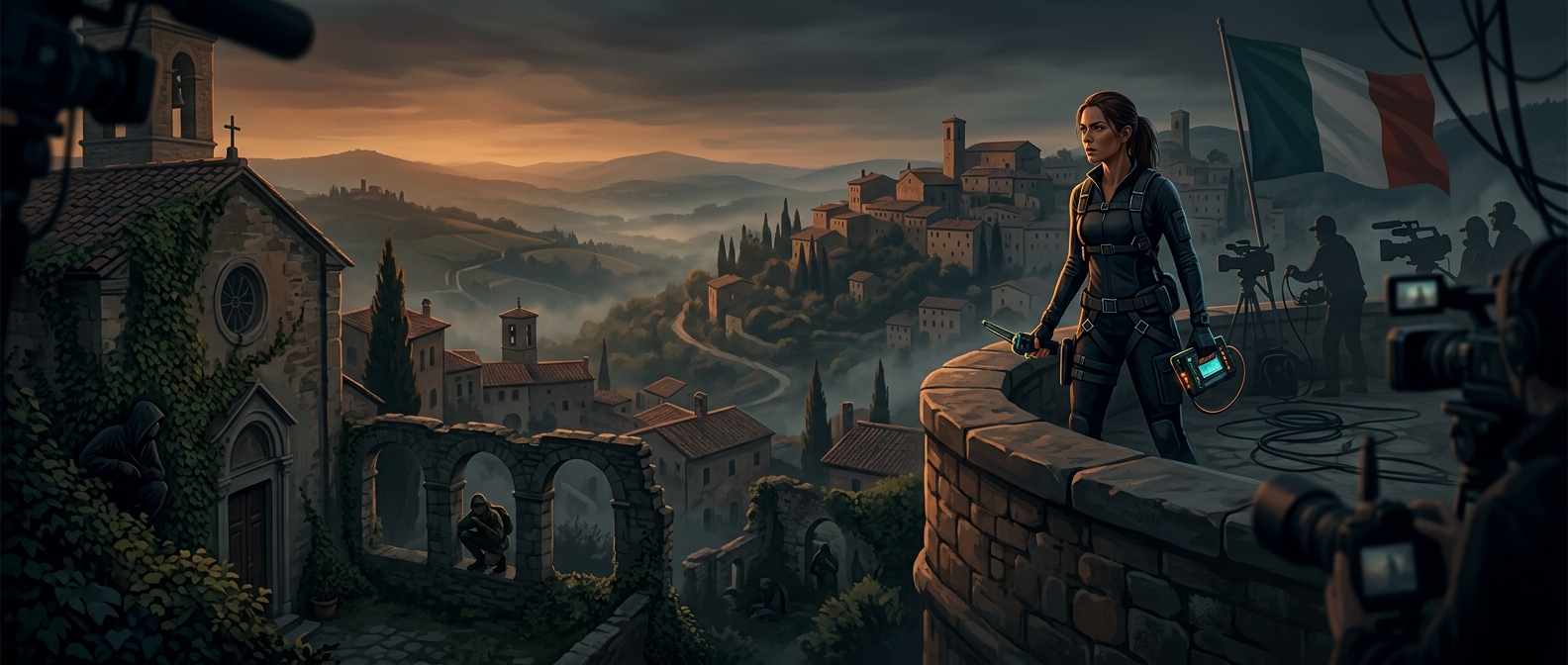
In a competitive hide-and-seek game, hiding is less about finding a spot no one can see and more about managing clues. Dense bushes break up a person’s outline; a stone wall blocks a direct view and offers a hard edge to tuck behind. But neither makes a player invisible. A shift in leaves, a glimpse of clothing, or the sound of breathing can give a seeker a reason to look closer.
That turns an ordinary landscape into a set of tradeoffs. A thick bush may conceal a body but rustle when someone squeezes into it. A wall may hide movement, yet leave few ways to change position without being noticed. The safest place is not necessarily the deepest cover—it is the one a player can enter, occupy, and leave without creating an obvious signal.
The Search Is a Contest of Attention
Seekers face the reverse problem: they must distinguish signs of a person from the ordinary movement and texture of the surroundings. They scan for shapes that do not quite fit, then listen for small sounds that might confirm a suspicion. Once a hiding place is suspected, staying perfectly still can matter as much as choosing it in the first place.
That is what makes the setting more than a backdrop. Bushes and stone walls offer cover, but they also make sound and visibility unpredictable. A loud breath can undo a careful choice—so the game’s smallest actions may decide whether a hiding place holds.