Why hiding feels exciting—until nothing happens
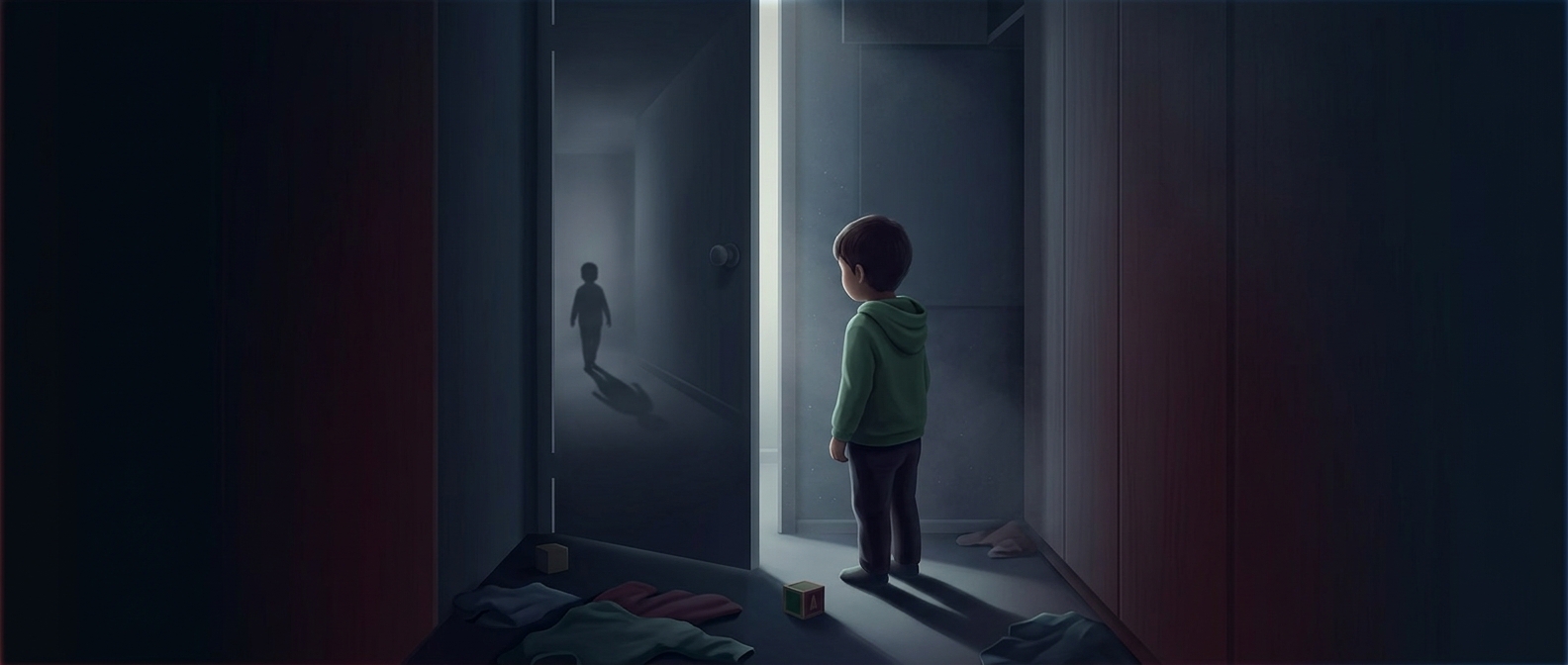
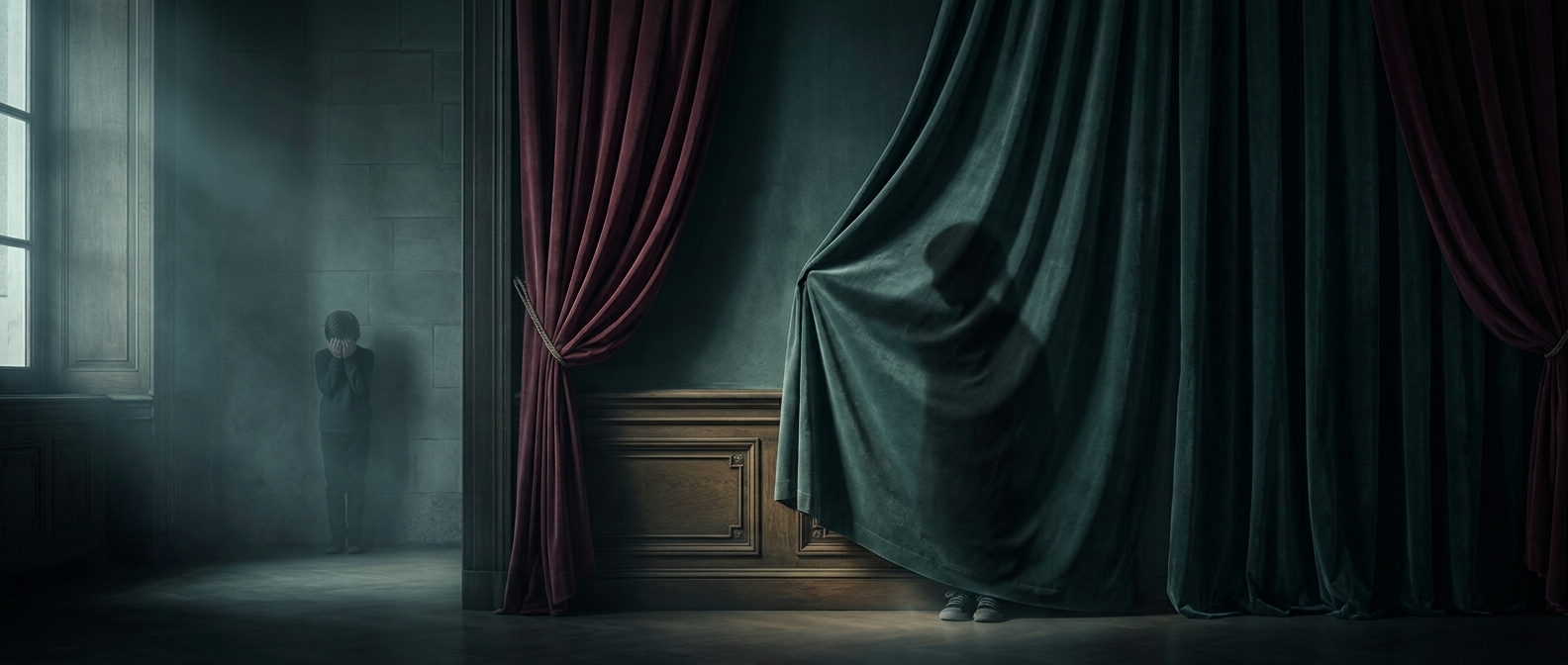
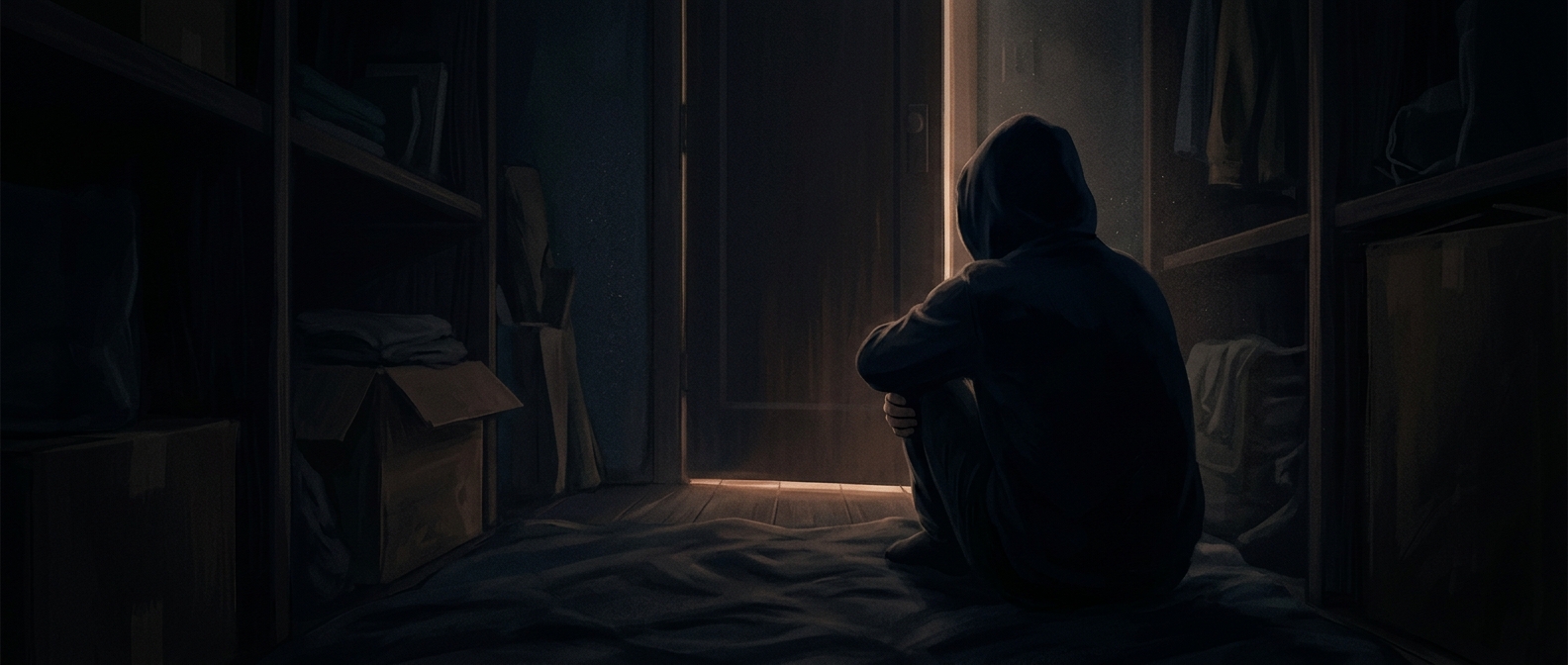
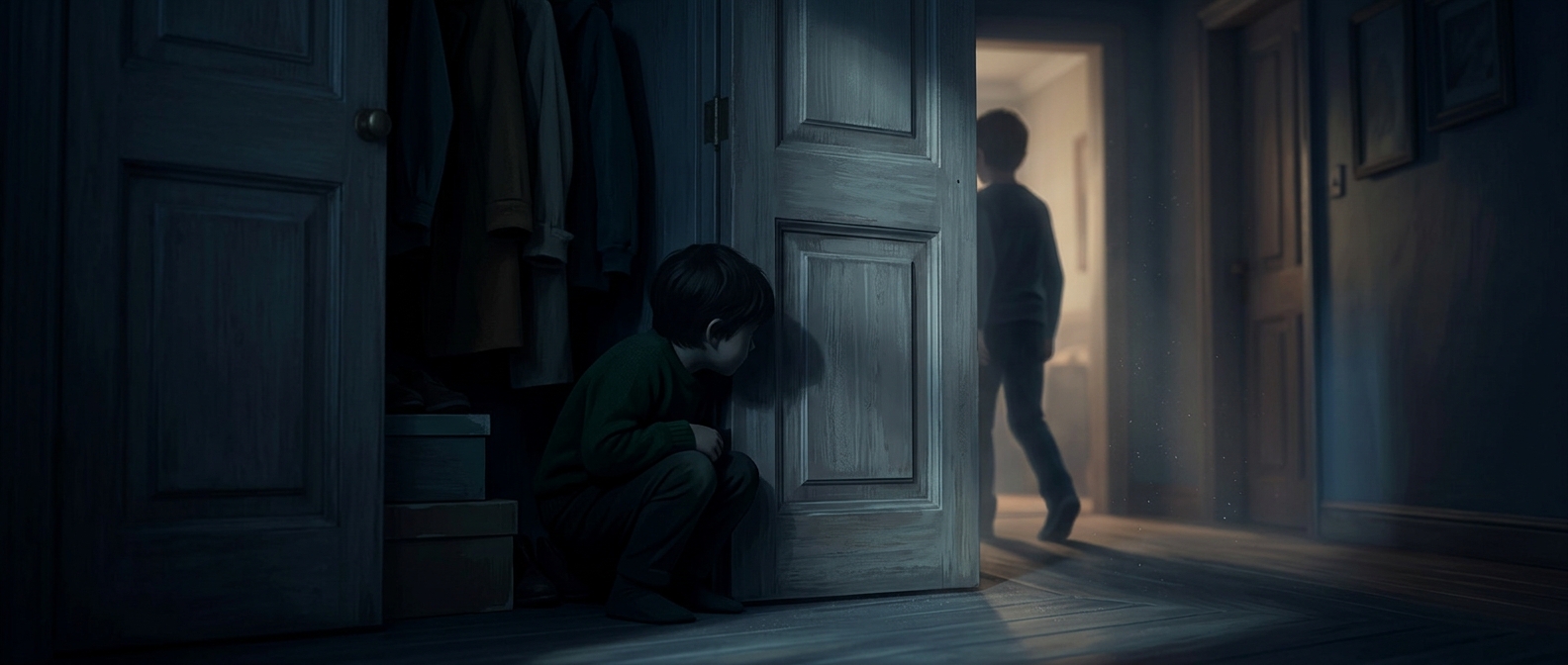
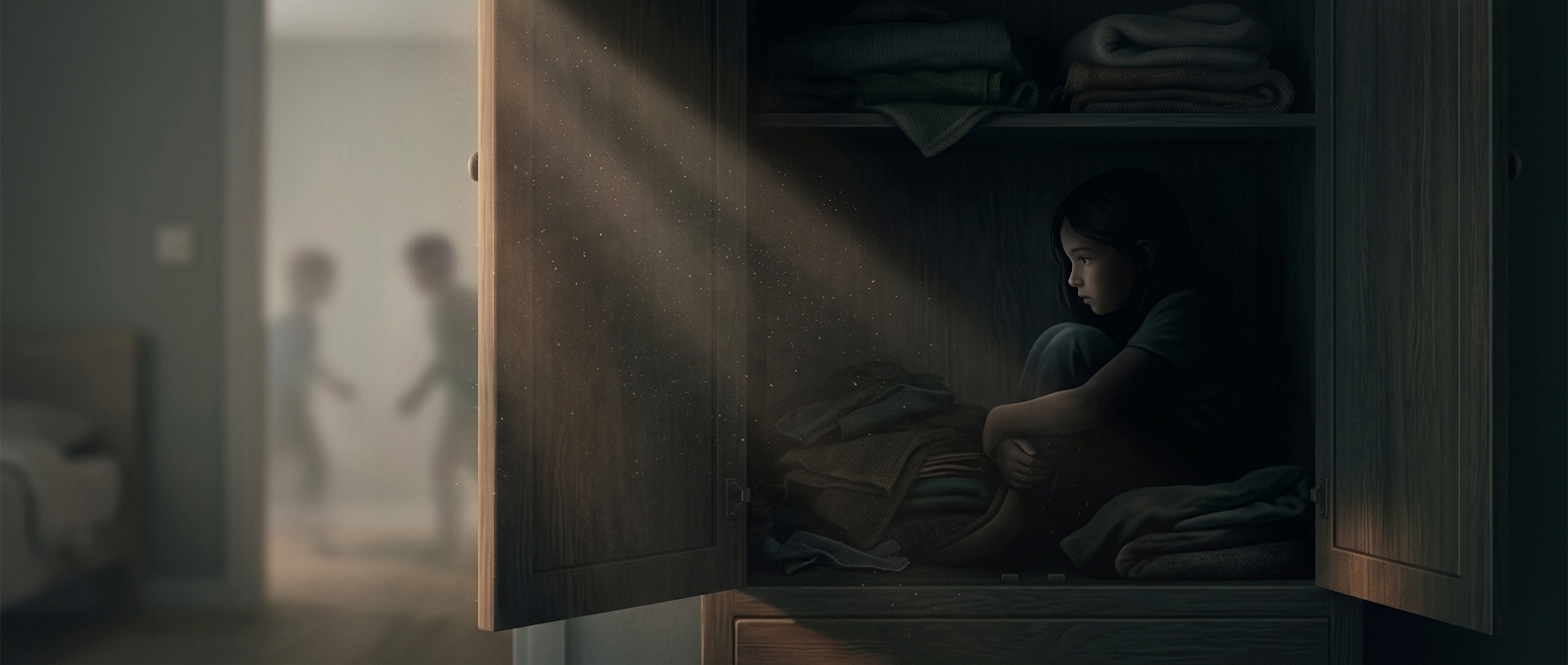
Choosing a hiding place gives a child an immediate job: scan the room, judge what others might notice, and squeeze into a spot that seems cleverly concealed. The game is full of imagined possibilities. Someone might pass close by; a footstep might mean discovery. Even silence can feel loaded because the hider does not know what the seekers are doing.
But hiding is mostly a waiting role. Once the child is tucked away, there may be little to decide or do. The seeker gets new clues and changing scenery; the hider often gets the same narrow view and no reliable signal about how the search is going. Suspense can hold attention for a while, but without fresh information or action, it gives way to boredom.
The game needs a rhythm
That contrast helps explain why hide-and-seek works best when turns move along. Being found ends the stillness and gives the hider a payoff: surprise, laughter, or a chance to become the seeker. If the search drags on, the child may abandon the hiding spot—not because the plan failed, but because the game stopped giving them anything to respond to.
A good hiding place, then, is not only one that conceals its occupant. It also leaves the child able to hear the search and imagine its progress. The most memorable spot may be the one where a muffled footstep makes the wait feel briefly alive.