Hide-and-Seek Depends on the Searchers, Too
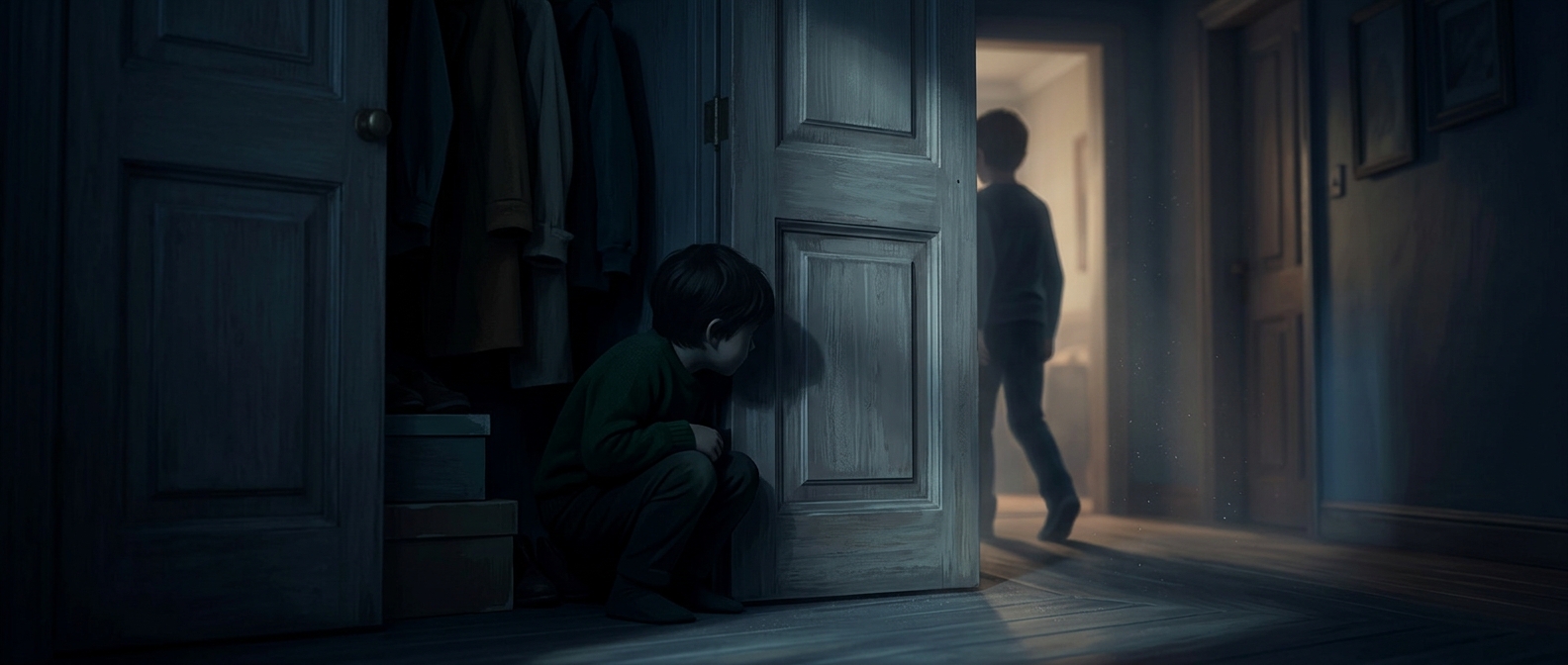
A hiding place works only while someone is looking for you. In a real game, the seeker’s attention is limited: they have to choose where to search, remember where they have already checked, and decide how long to keep going. A hider can benefit not just from being hard to spot, but from staying quiet and still while the search loses momentum.
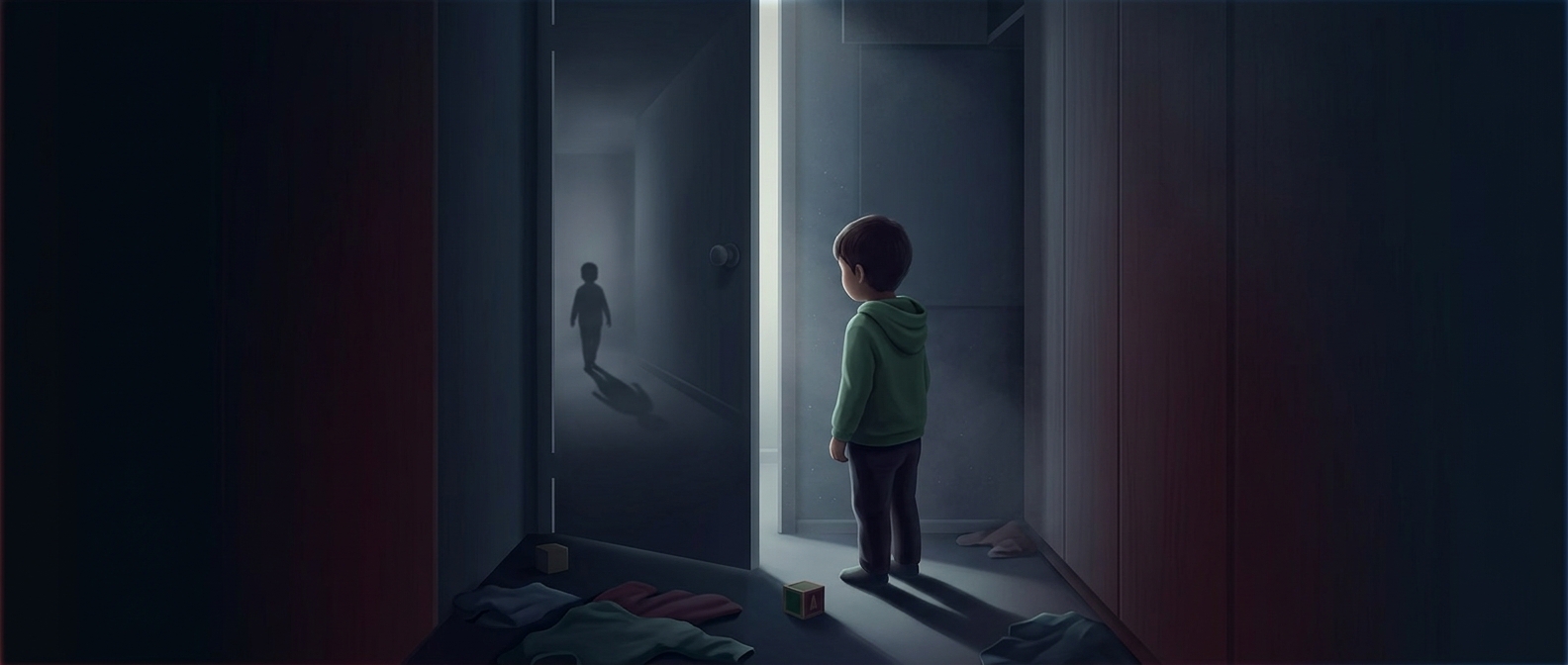
That makes hide-and-seek an informal contest of patience as well as concealment. The seeker may call the game before finding everyone, especially when the search stops being fun. Unless the group has agreed on a rule for that moment, there may be no clear winner—just a hider who has not yet been found.
The Awkward Part Is Knowing When to Come Out
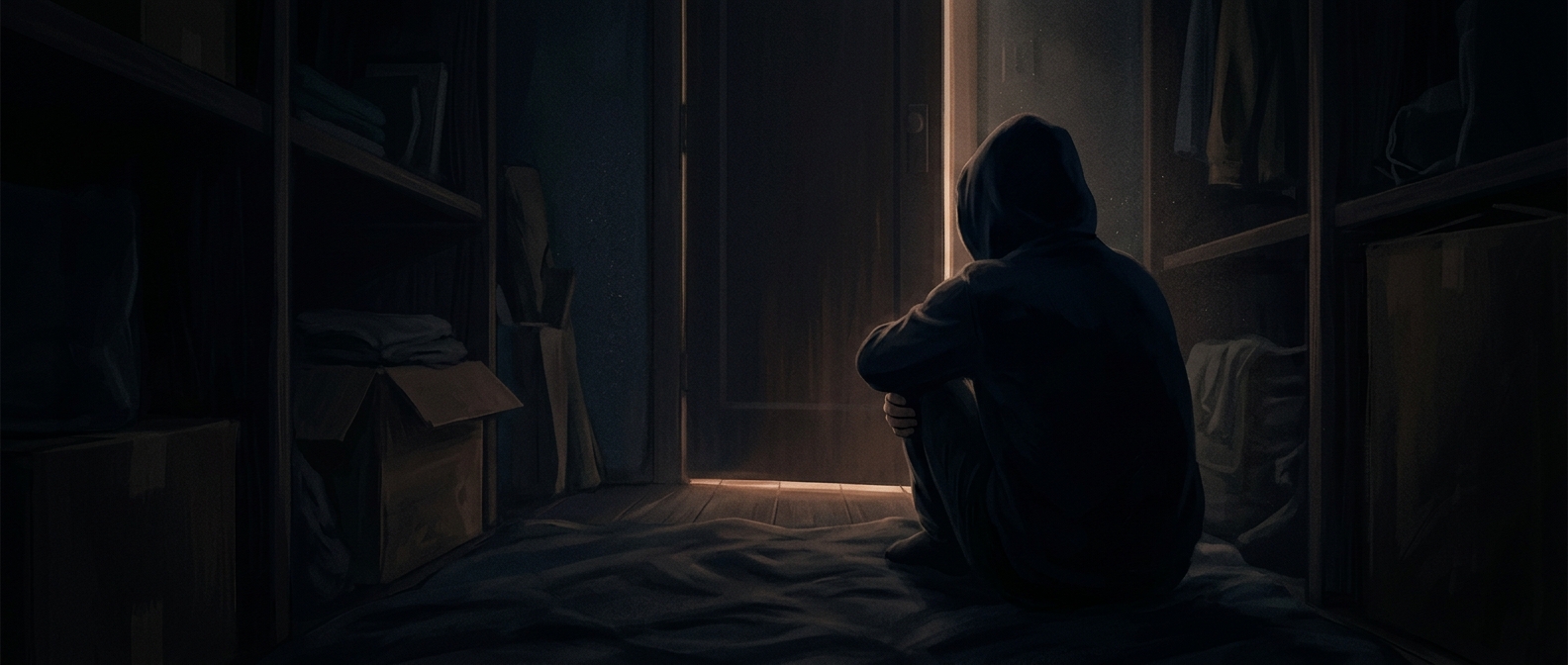
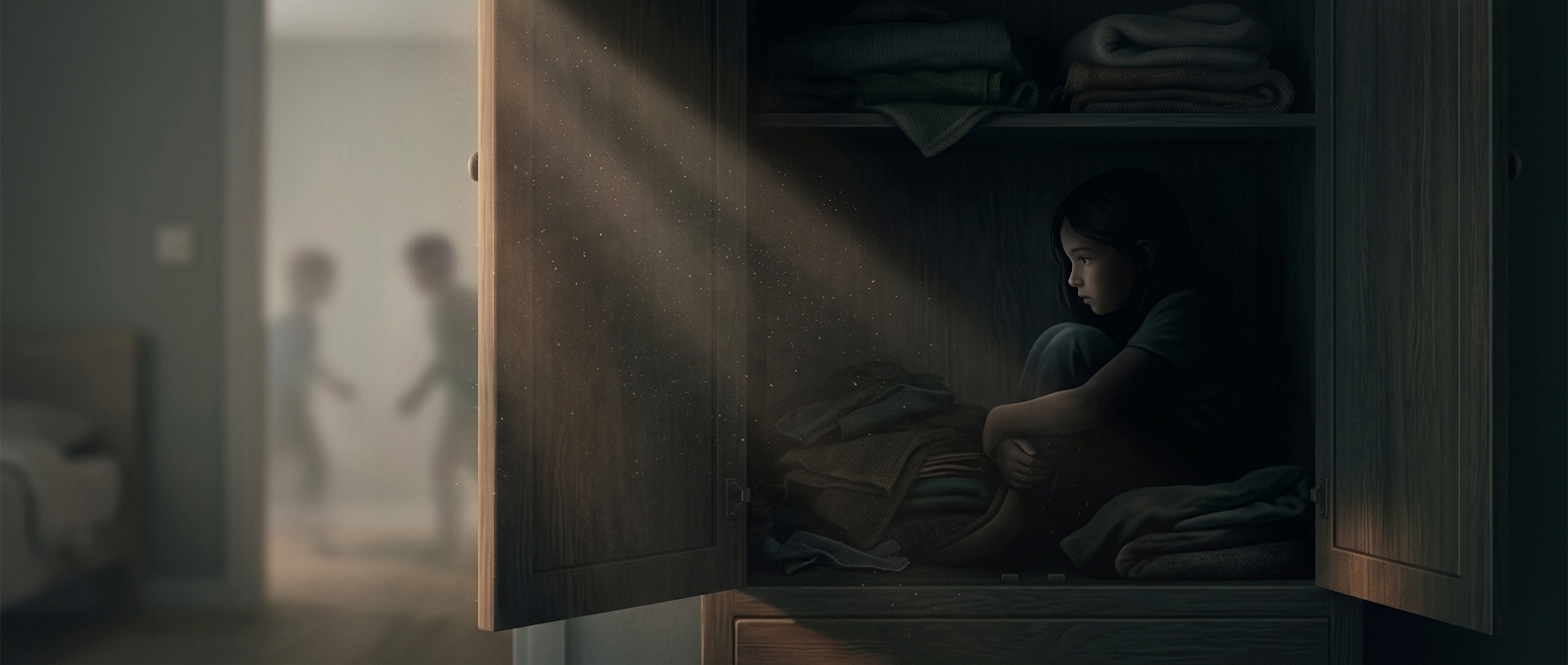
For the person still hiding, success creates a small problem: making a noise or emerging can reveal the hiding place, but waiting can mean missing the moment when the game is over. A careful hider has to notice clues from outside the hiding spot—voices fading, footsteps moving away, or the search changing into something else.
So the closet is only half the story. The hiding can continue after the game has effectively ended, leaving the last player to decide whether to preserve the secret or announce that there is no one left to seek.