The Trouble With Being Too Good at Hide-and-Seek
A hiding place works only if the seeker can eventually find it—or if the hider decides to come out. That small tension is built into hide-and-seek: the hider’s goal is to stay unseen, while the game’s goal is to bring everyone back together.
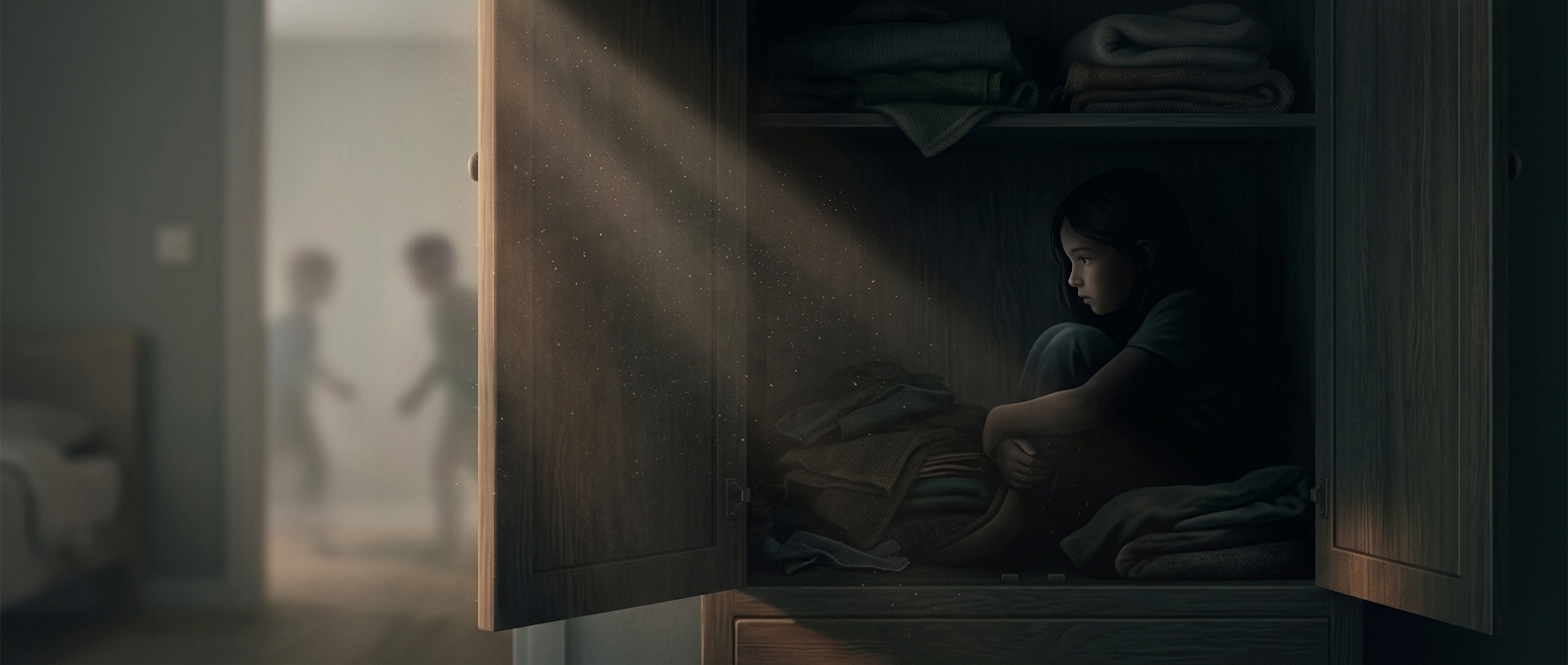
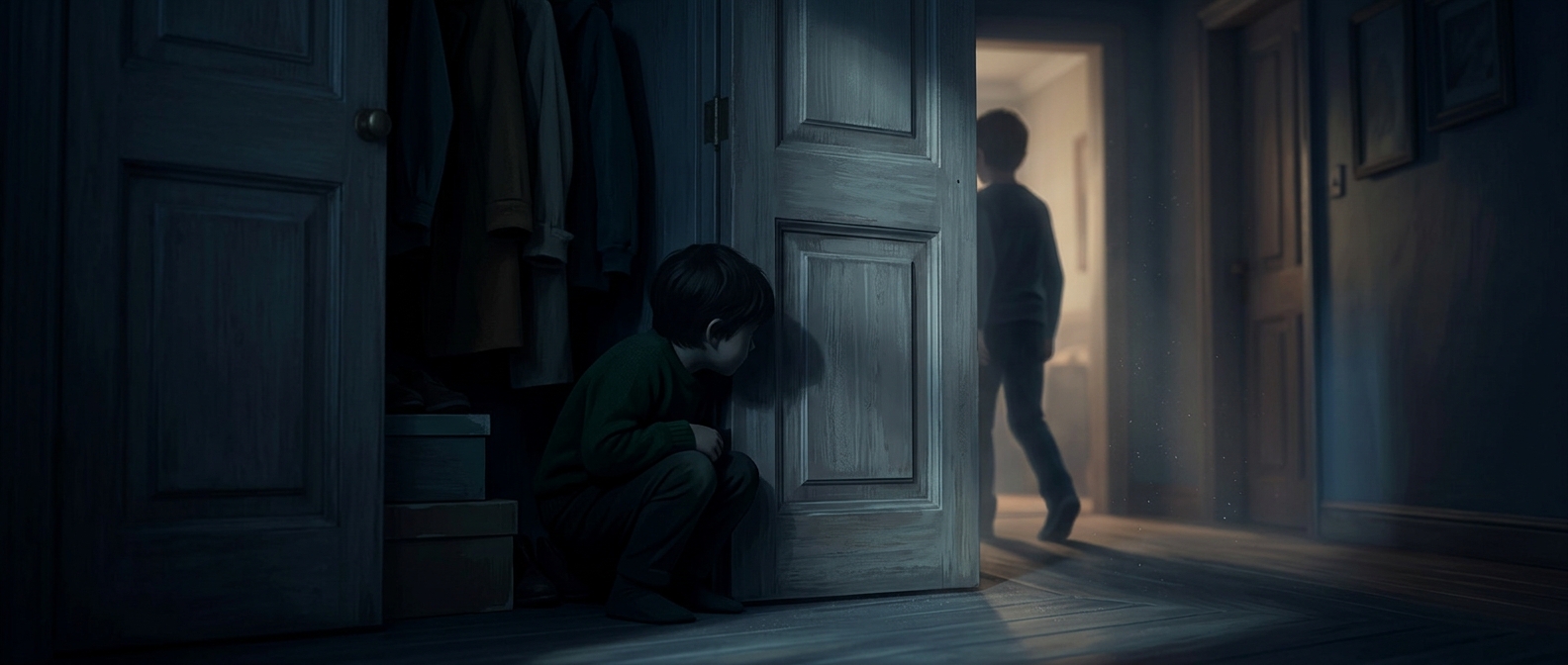
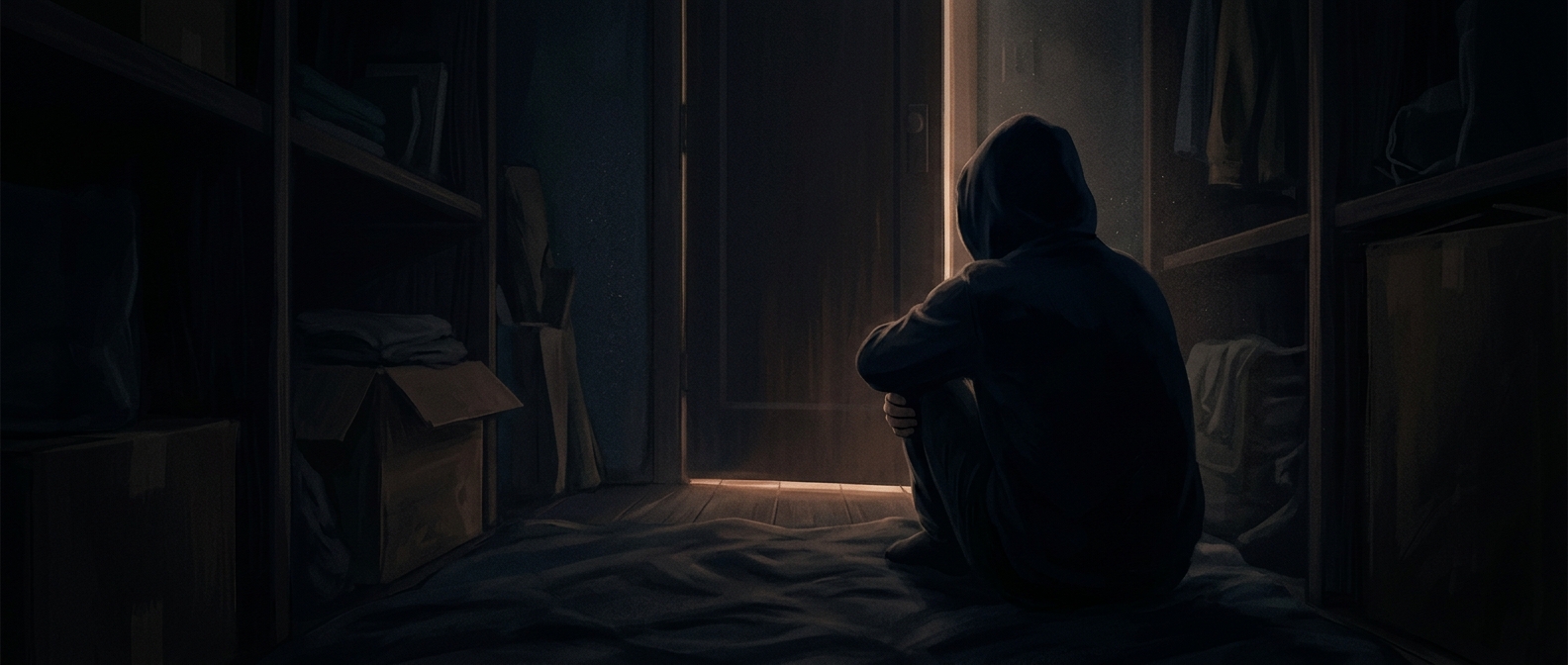
A very effective hiding spot can break that balance. A dark closet or a dusty corner may conceal someone from a quick glance, especially when the seeker checks familiar places first. But if the search drags on, the seeker may assume the last person has already been found, wandered off, or stopped playing. The hider remains hidden not because the game has a clever ending, but because the people keeping it going have gone home.
The Hidden Cost of a Perfect Spot
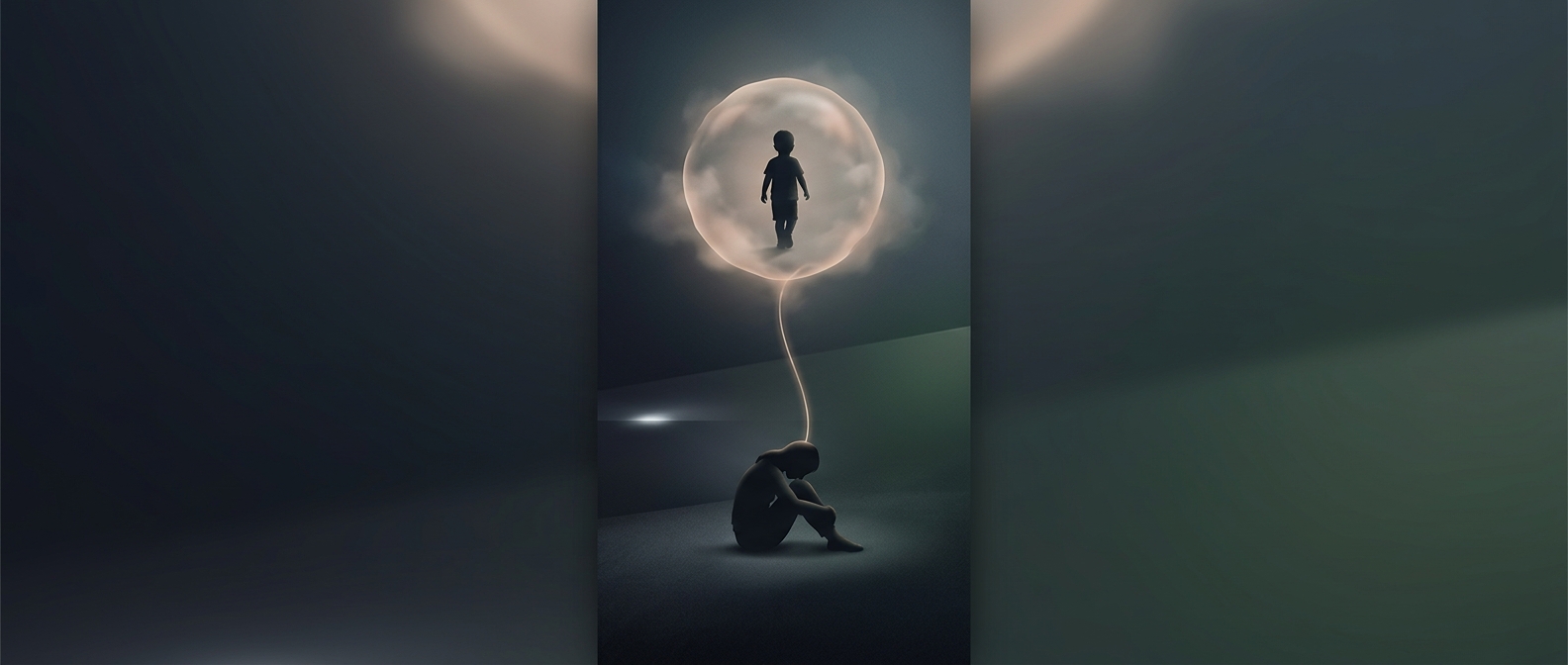
Good hiding places usually offer more than darkness: they keep a person out of sight while letting them stay quiet and still. Yet a spot that is too secluded can also make it harder to hear what is happening or signal that the search is over. The best hiding place can therefore become a trap of its own—successful at avoiding discovery, but poor at helping the hider rejoin the game.
That is why hide-and-seek depends on an unwritten limit. Hiding should make the search exciting, not leave someone stranded after everyone else has stopped looking. A game is not really finished when the seeker gives up; it is finished when the last hider is found—or safely comes out.