Hiding Is a Problem of Information
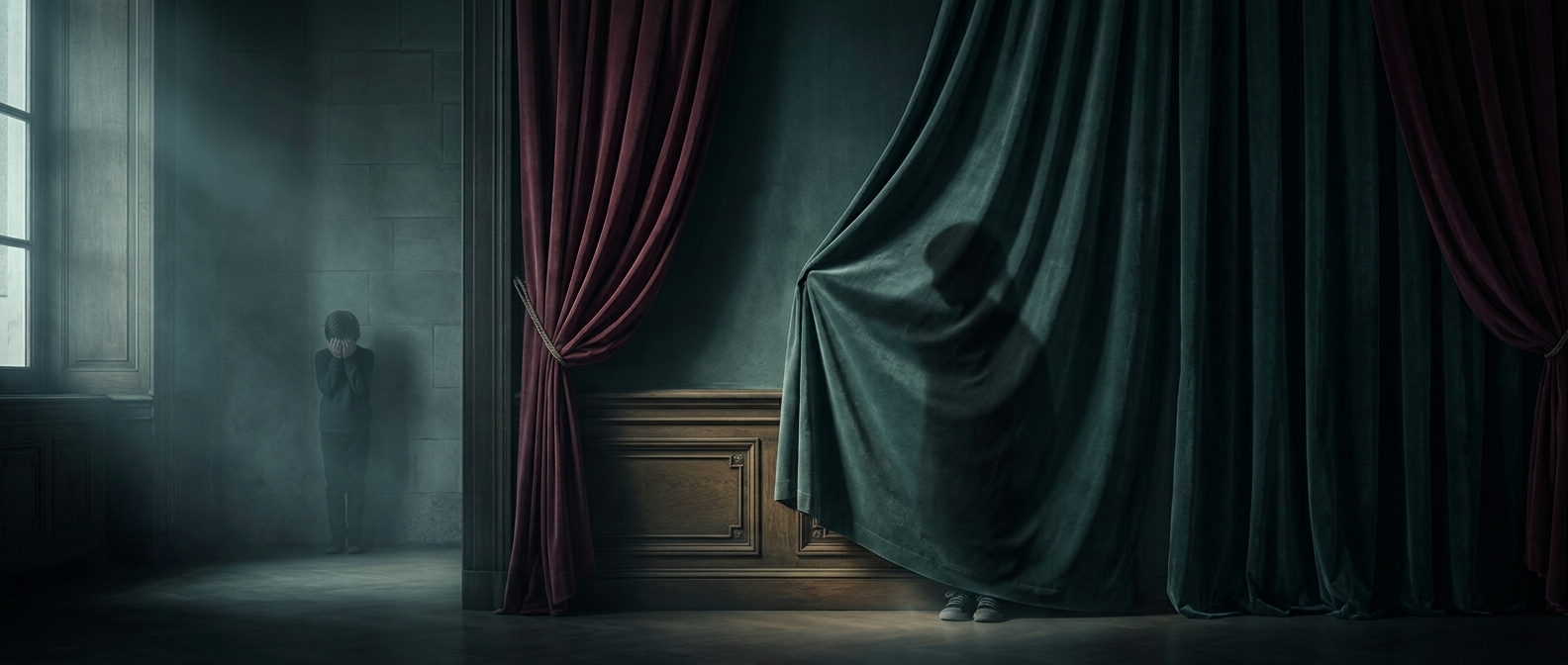
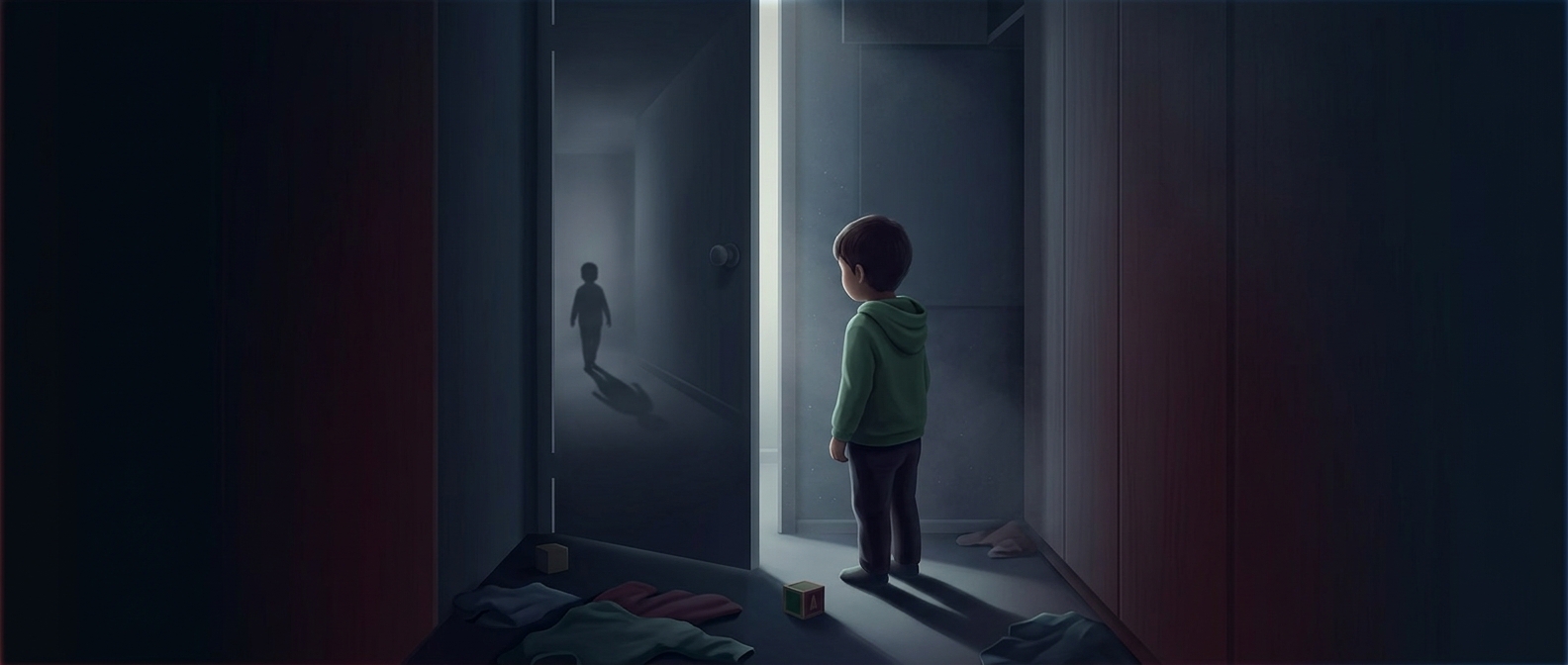
In hide-and-seek, the seeker knows someone is nearby but not where. The hider’s task is to keep that uncertainty alive: choose a place the seeker may overlook, get there without drawing attention, and avoid giving away the answer. A hiding place is useful not simply because it is concealed, but because it is hard to check quickly.
That makes the game a tiny contest over information. The seeker narrows the possibilities by looking in likely places; the hider tries to make the search take longer. A spot that seems obvious to one player may be overlooked by another, so success depends on anticipating what the seeker will notice.
Why Staying Still Takes Effort
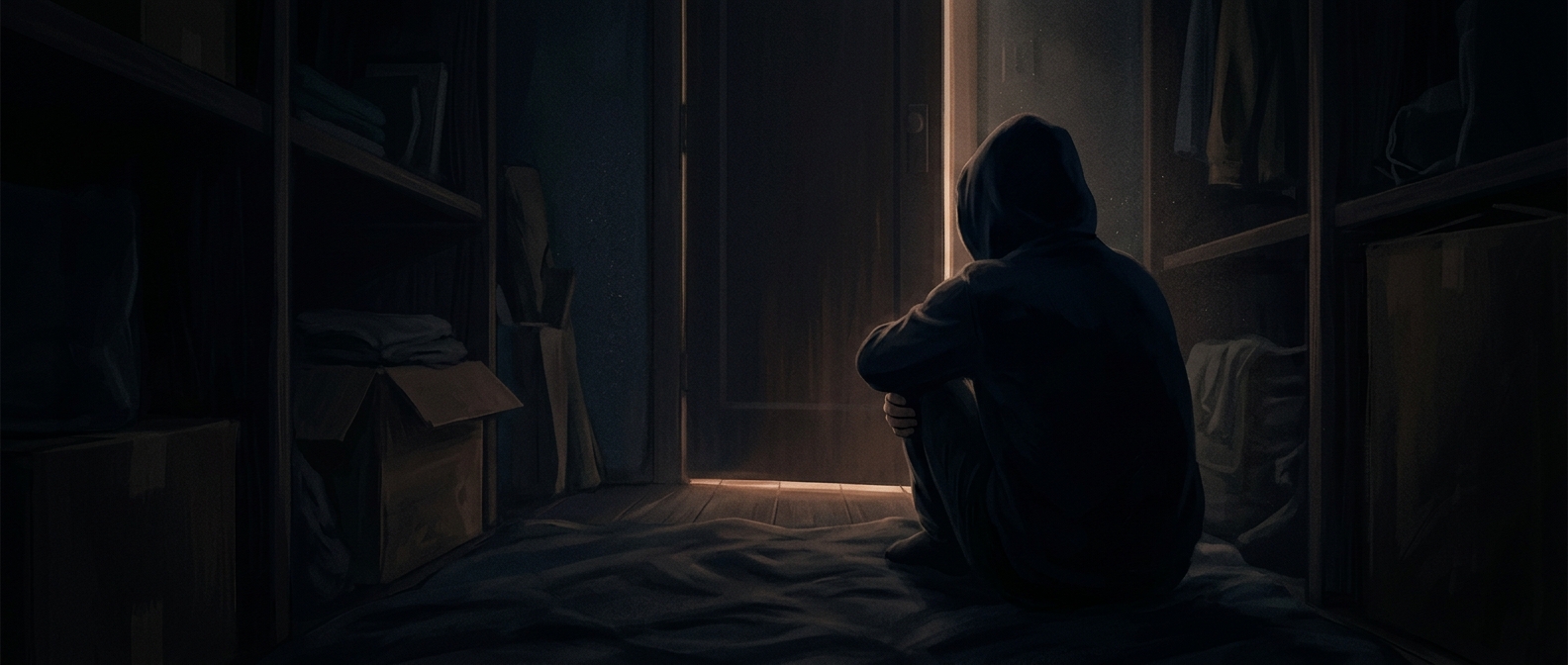
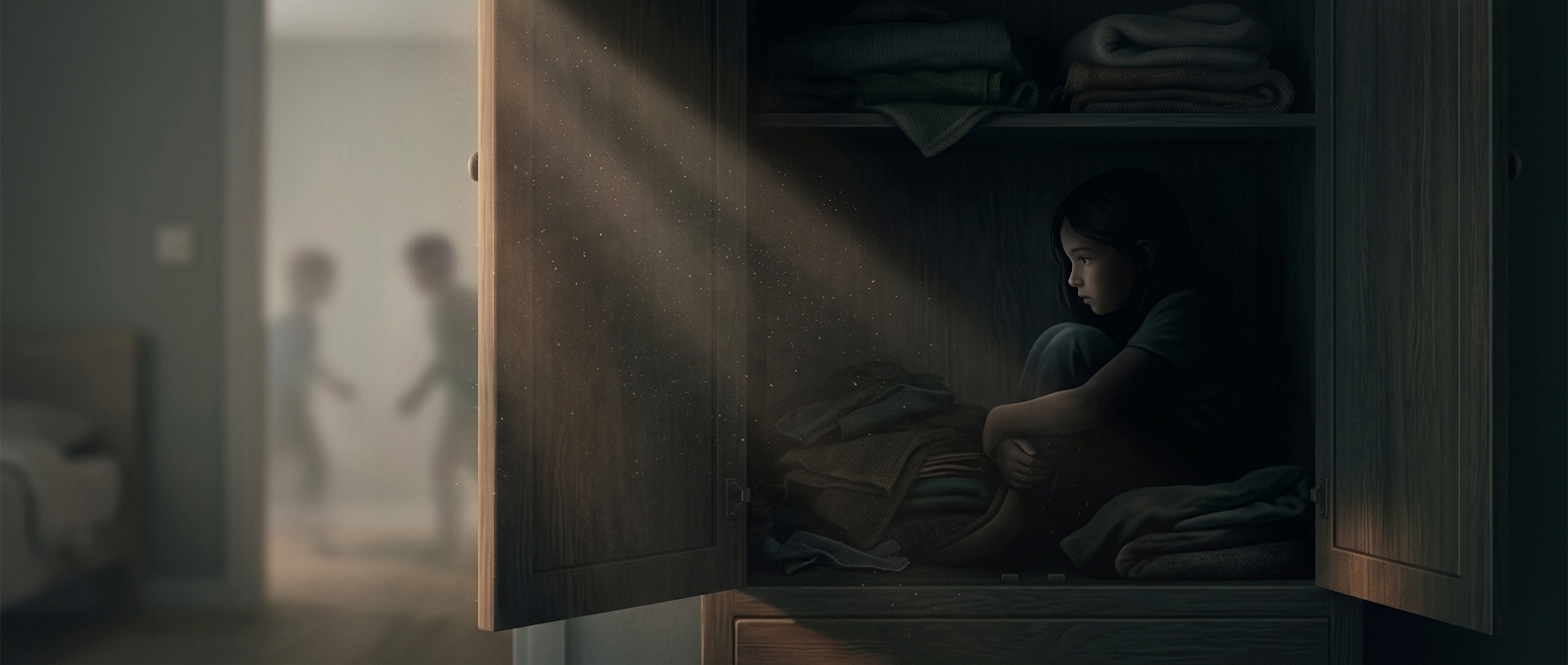
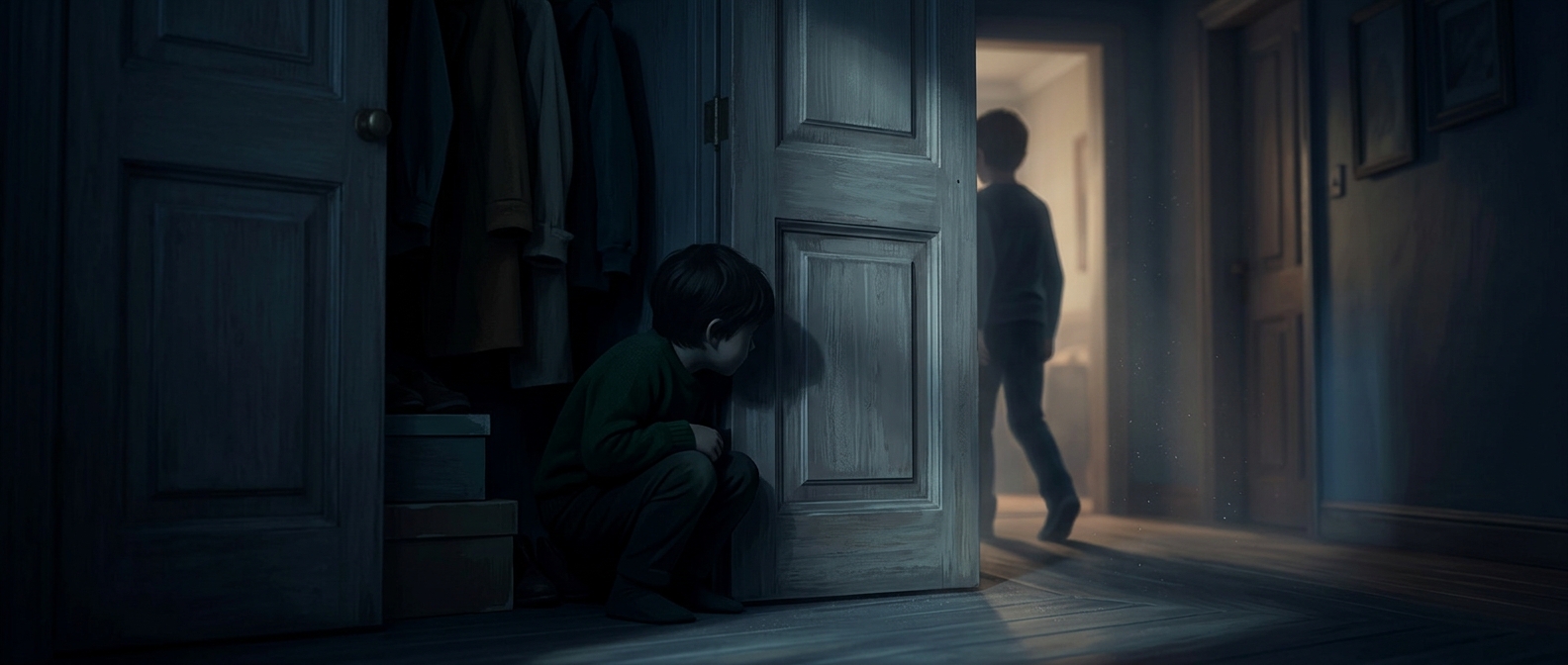
Once hidden, a player has little control over the search. They may hear footsteps come closer or see the seeker pass nearby, but moving or making a sound can reveal their position. The challenge is to resist reacting at exactly the moment when a reaction feels most tempting.
This is what gives the game its stealth-like tension. In a real search, small signals—movement, noise, or a visible outline—can make someone easier to find. Hide-and-seek turns that basic tradeoff into play: the hider tries to remain unnoticed, while the seeker actively tests the surroundings.
A Safe Practice in Suspense
The stakes are make-believe, but the uncertainty is immediate. Each player must imagine the other’s next move: the seeker asks where someone would hide; the hider asks where the seeker will look. The game makes patience and prediction part of the fun—and lets a quiet patch of ordinary space briefly feel like somewhere a player must not be found.