Why a Good Hiding Place Becomes a Bad Fit
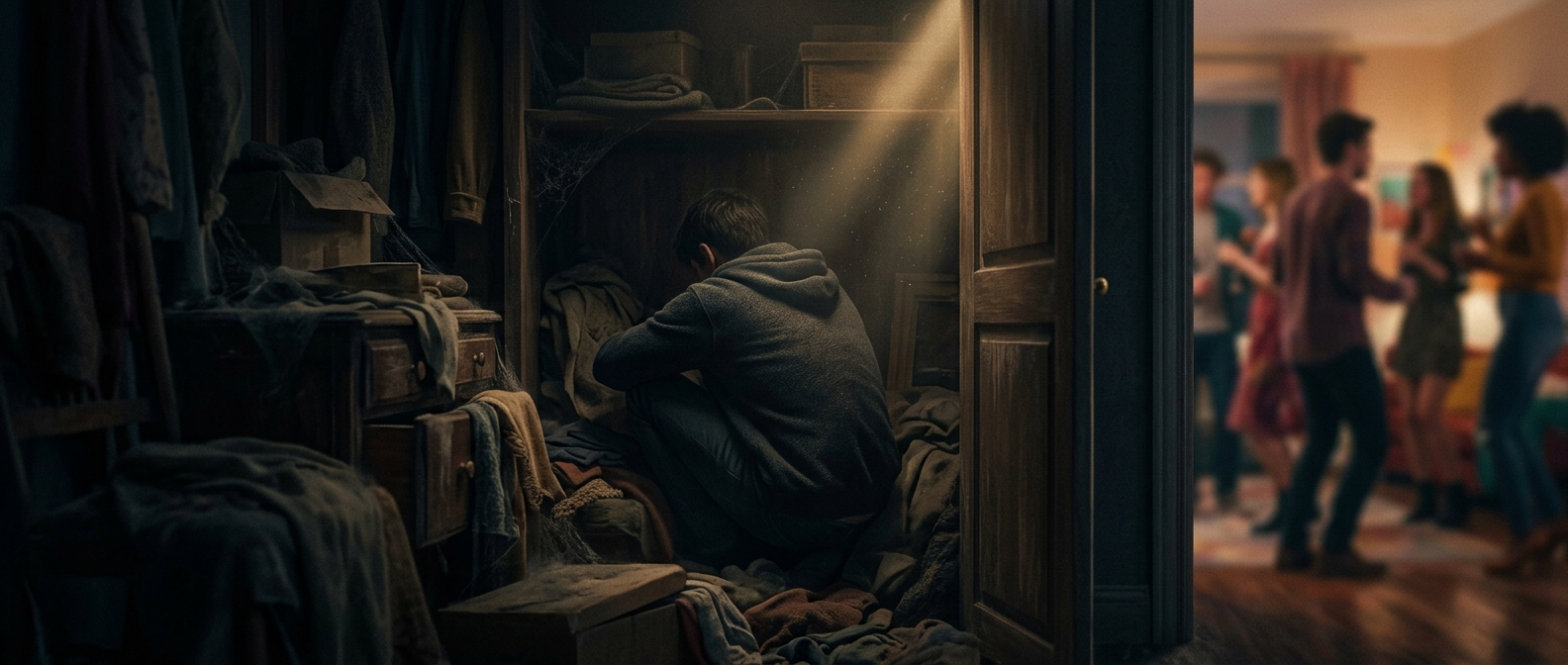
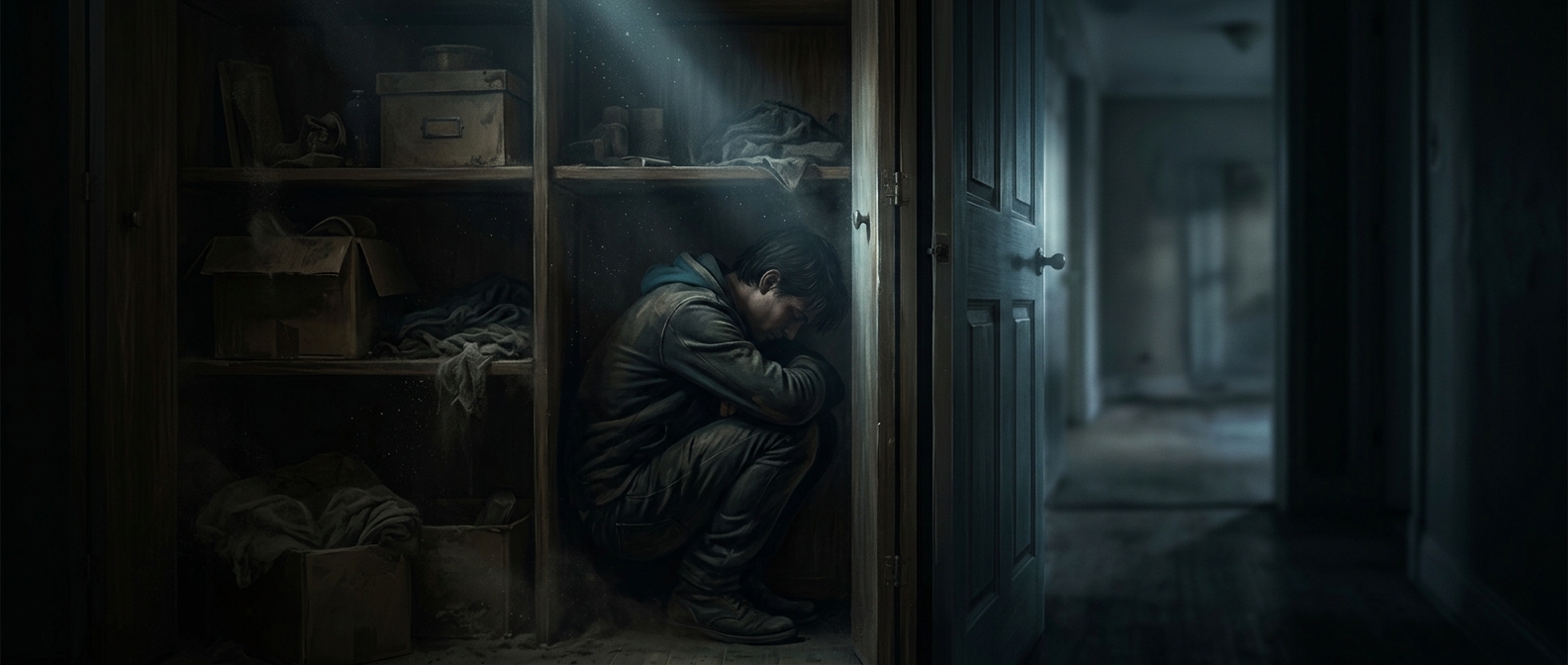
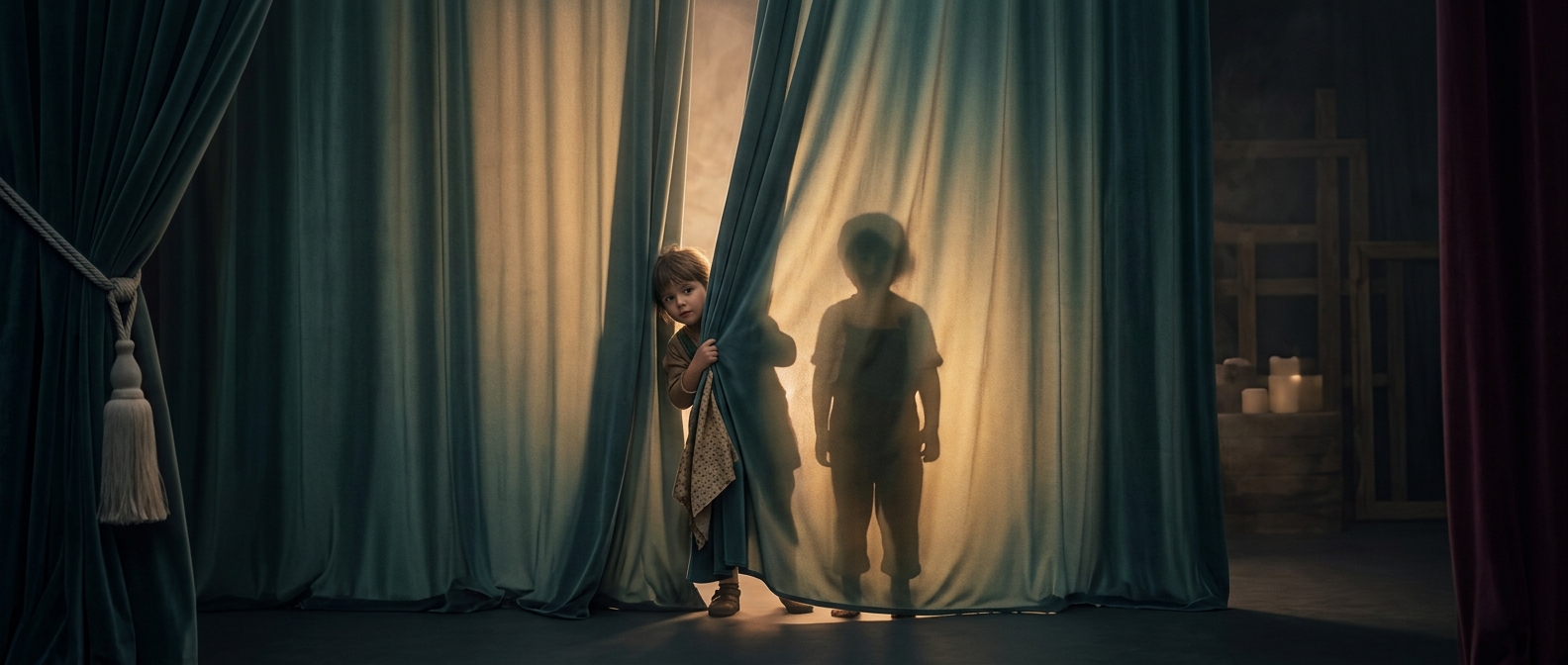
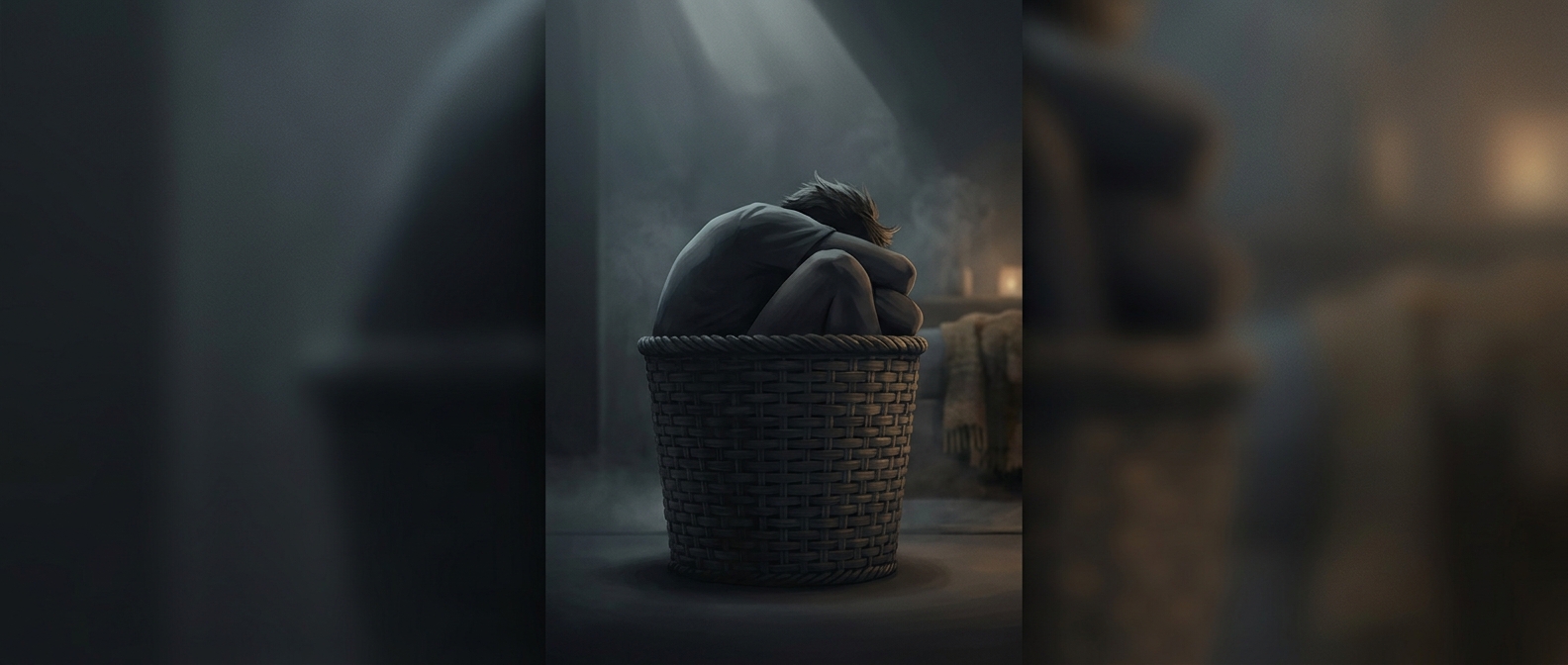
Hide-and-seek turns an ordinary room into a puzzle with two opposing goals: disappear from the seeker’s view, but remain somewhere the seeker is unlikely to check. A laundry basket or narrow closet can seem promising because it breaks up a person’s outline or sits among familiar clutter. But a spot that conceals an adult body may not have been built to hold one.
That mismatch is part of the challenge. Players are not just choosing where to go; they are judging whether a hiding place will still work when the seeker moves through the room, looks from another angle, or opens a door. A cramped space can hide someone from a quick glance while making it difficult to shift position without bumping something.
Stillness Is Part of the Strategy
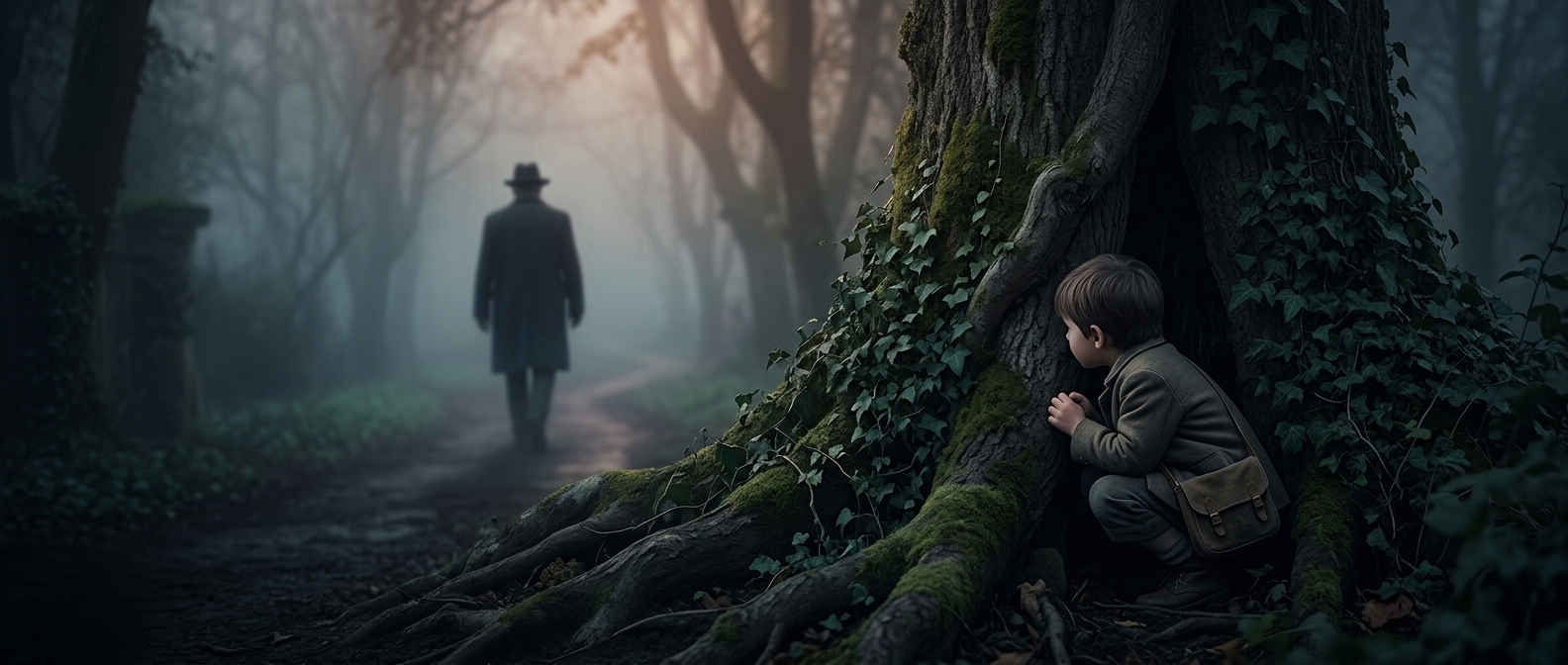
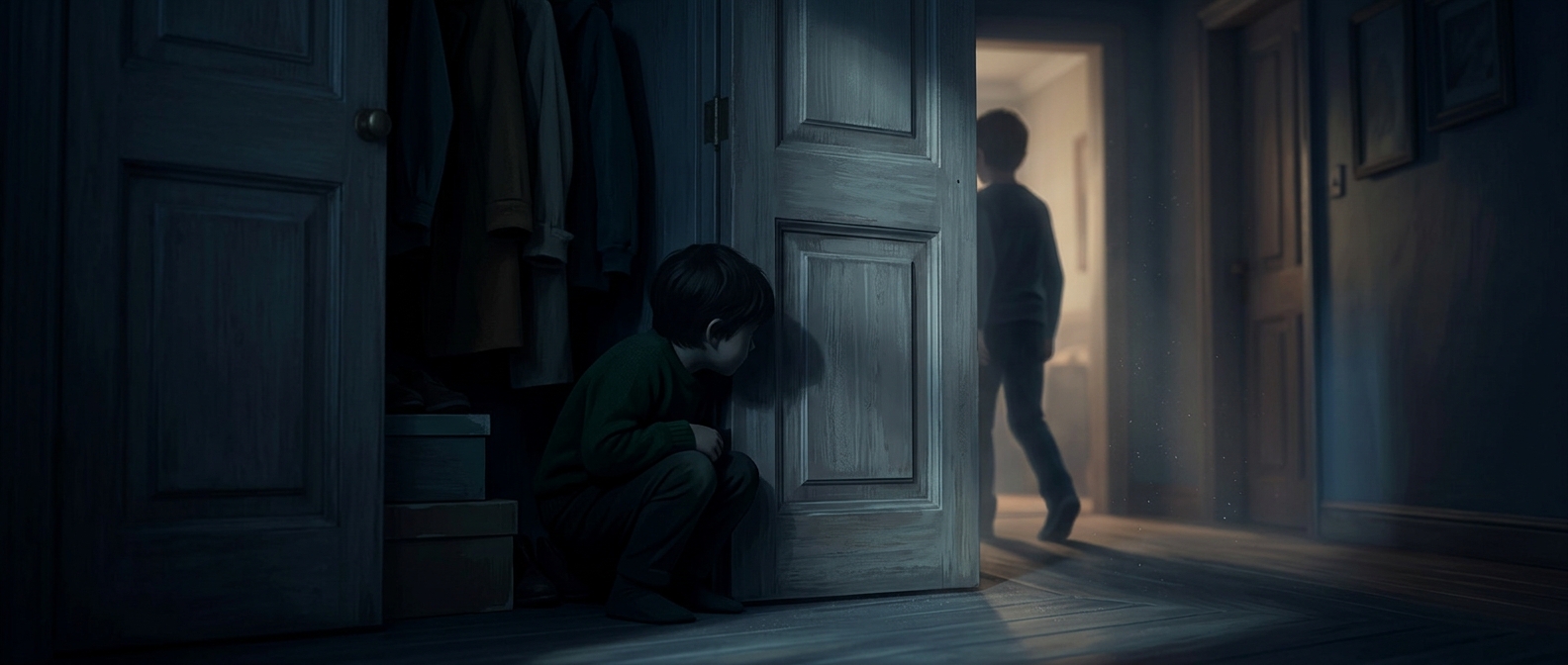
Once tucked away, the hider has another problem: staying quiet. A creak, rustle, sneeze, or sudden movement can turn a concealed shape into an obvious clue. The body itself becomes a constraint. The longer someone stays wedged into an awkward position, the harder it can be to resist moving or making noise.
So the game rewards more than finding a small space. A successful hiding place must conceal the player, avoid attracting attention, and remain tolerable long enough for the seeker to pass by. The best spot is not necessarily the smallest one; it is the one that hides its occupant without forcing a telltale escape.